
Key Highlights
- Corruption Scandal:Ukrainian officials charged with embezzling over $12 million.
- Investigation Scope:Probes expanding to regional suppliers and logistics.
- Impact on Society:The scandal reflects broader issues of trust and accountability.
[Corruption Uncovered]
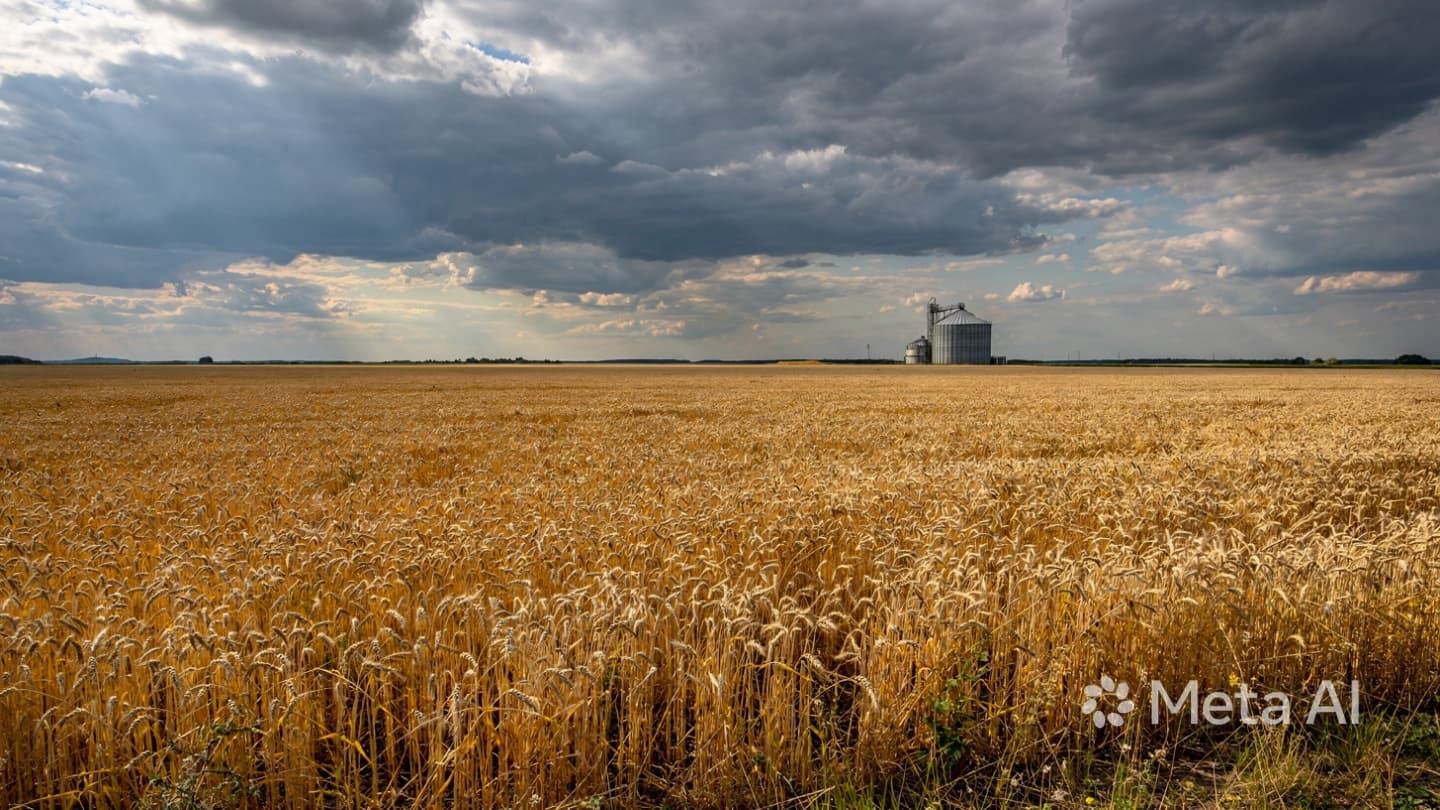
The fields of Ukraine have long been a canvas of gold, stretching toward a horizon that feels infinite. They represent more than just sustenance; they are the rhythmic heartbeat of a nation that defines itself by the soil. However, a different kind of weight has settled over the grain elevators and shipping docks—a burden not of the harvest, but of human failings that sometimes follow in its wake.
Corruption is often described as a rot, a slow-moving decay that begins in the dark and only becomes visible when the structure it inhabits begins to lean. In a nation under immense external pressure, the discovery of internal theft feels particularly poignant. Recently, a massive embezzlement scheme within the military food supply chain has come to light, revealing how the lifeblood of the country is being diverted by those tasked with its protection. The State Bureau of Investigation confirmed that officials have been charged with embezzling over $12 million through inflated prices and the diversion of goods to the black market.
The irony of stolen bread is profound. It is a crime that feels ancient, yet it is being perpetrated with modern sophistication. Investigators are sifting through digital trails and physical warehouses, searching for the moment when public good was traded for private gain. Each missing shipment represents a breach of sacred trust, where the needs of many were discarded in favor of the greed of a few. The legal proceedings are a necessary attempt to prune the rot before it spreads further.
As the sun dips below the line of the steppe, the silos cast long shadows across the earth. These structures, built to hold the wealth of the land, now stand as witnesses to a different kind of gathering. The arrests of high-ranking officials suggest that no position is high enough to escape accountability when the stakes are this high. This moment reflects a society fighting for its future while grappling with the remnants of its past.
The narrative of this crime is woven into the larger tapestry of a nation in transition. It is not a simple story of villains and victims, but a complex study in the temptations that arise when systems are stressed to their breaking point. Observing the legal proceedings reveals a country attempting to define its own moral boundaries. The restraint shown by prosecutors reflects a desire for a process that is as much about healing as it is about punishment.
The movement of grain from the field to the plate is a journey of many hands. In this case, some of those hands were found to be grasping rather than giving. The investigation has pulled back the curtain on a network of intermediaries and shell companies designed to obscure the profits of the earth. Even amidst a grand struggle, small acts of dishonesty can have devastating cumulative effects.
Looking out over the landscape, one is struck by the resilience of the people who continue to plow and sow. Their work is an act of faith, a belief that the harvest will be handled with the same care with which it was planted. The legal crackdown on the food supply scandal is an attempt to honor that faith. It is a slow, methodical process, much like the growth of the wheat itself, moving toward a conclusion that seeks to restore order to the chaos of theft.
Ukrainian law enforcement agencies have successfully dismantled a large-scale corruption ring operating within the Ministry of Defense's food procurement division. The probe is expanding to include regional suppliers and logistics, as authorities work to ensure accountability and restore public trust in the system.
Published by Banx Network. This article is part of the Banx decentralized media programme, powered by the BXE token on the XRP Ledger.



