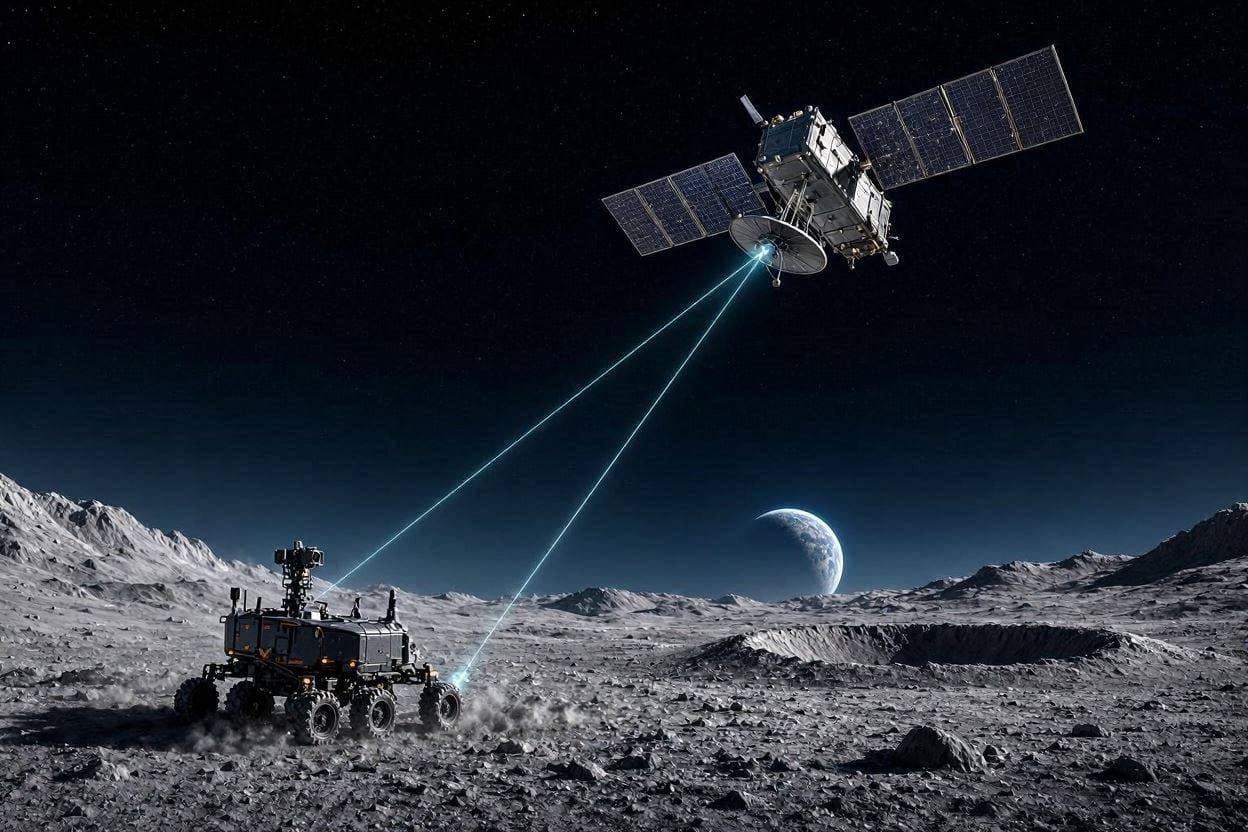
As humanity prepares to return to the Moon, the need for reliable communication and navigation becomes paramount. Unlike Earth, the Moon lacks a global positioning system, leaving astronauts and rovers vulnerable to getting lost in the lunar dust. To address this, NASA has delivered a prototype lunar relay navigation system, a critical infrastructure component for the upcoming Artemis missions. This technology promises to create a lunar internet of sorts, ensuring that explorers can stay connected and oriented as they venture into the unknown.
The system, known as LunaNet, is designed to provide positioning, navigation, and timing services similar to GPS on Earth. It consists of a network of satellites and surface nodes that communicate with each other to triangulate positions. By delivering the first hardware components for this network, NASA is laying the groundwork for a sustainable presence on the lunar surface. This infrastructure is essential for coordinating multiple missions and ensuring safety.
One of the key features of the lunar relay system is its interoperability. It is built on open standards, allowing international partners and commercial companies to integrate their own devices and services. This collaborative approach ensures that the lunar economy can grow without being locked into a single proprietary system. It fosters innovation and reduces costs, making space exploration more accessible.
The navigation system also supports autonomous operations. Rovers and drones can use the signal to navigate terrain without constant input from Earth, which suffers from communication delays. This autonomy is crucial for efficient exploration, allowing machines to cover more ground and gather more data. It transforms the Moon from a destination into a workspace.
Delivering the hardware is just the first step. Extensive testing will follow to ensure the system can withstand the harsh lunar environment, including extreme temperatures and radiation. Engineers are rigorous in their validation processes, knowing that failure in space is not an option. Each component is scrutinized to meet the highest standards of reliability.
The impact on scientific research is significant. Precise navigation allows geologists to map lunar resources accurately, identifying water ice and mineral deposits. This data is vital for planning future bases and resource utilization. The relay system thus becomes a tool not just for movement, but for discovery.
For the public, this development makes the Moon feel more reachable. The idea of a lunar GPS captures the imagination, suggesting a future where travel to the Moon is as routine as air travel. It demystifies the distance, bringing the celestial neighbor closer to home.
NASA’s delivery of the lunar relay navigation system marks a pivotal moment in space exploration. It transforms the Moon from a wild frontier into a navigable domain. As we build this infrastructure, we pave the way for a new era of human presence in the solar system.
AI Image Disclaimer: The images associated with this article are AI-generated illustrations designed to represent the themes of space technology and lunar infrastructure.
Sources: NASA.gov, SpaceNews, Ars Technica, The Verge
Published by Banx Network. This article is part of the Banx decentralized media programme, powered by the BXE token on the XRP Ledger.