
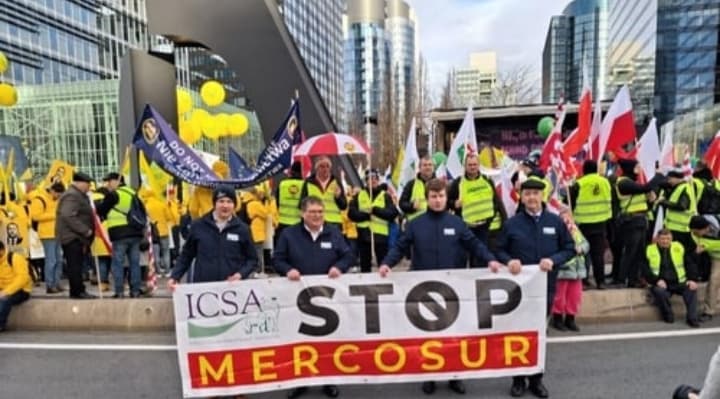
Key Highlights
- Government expresses serious concerns over the Mercosur trade deal.
- Potential environmental impacts include increased deforestation and climate change.
- Local industries fear competition from cheaper imports could threaten jobs.
The government has officially expressed serious concerns regarding the proposed Mercosur trade deal, a significant agreement involving South American nations including Argentina, Brazil, Paraguay, and Uruguay. Officials are particularly wary that the deal may adversely impact environmental protections and local economies, leading to potential long-term consequences.
Key issues cited by government officials include the potential for increased deforestation and environmental degradation, particularly in regions like the Amazon rainforest. Concerns have been raised that the rapid expansion of agriculture and related industries could exacerbate climate change and biodiversity loss. Critics argue that the deal might prioritize trade over important ecological standards, undermining efforts to combat global warming and protect vital ecosystems.
Furthermore, local industries could face heightened competition from imports, threatening jobs and economic stability in certain sectors. Farmers and manufacturers worry that an influx of cheaper goods from Mercosur countries could result in unfair market conditions, placing domestic producers at a disadvantage. This concern is particularly acute in sectors such as agriculture and manufacturing, where local businesses may struggle to compete against lower-priced imports.
In response to these concerns, the government is calling for thorough assessments and potential modifications to the trade agreement to ensure that both economic and environmental standards are upheld. Advocates for sustainable practices urge the government to take a firm stance in negotiations, insisting that any deal must align with the country’s commitment to protecting its natural resources and ensuring a sustainable future.
As the situation continues to evolve, stakeholders are closely monitoring the implications of the Mercosur trade deal. The government's serious concerns reflect a growing recognition that trade agreements must balance economic benefits with social and environmental responsibilities. With negotiations ongoing, the outcome remains uncertain, but the need for a responsible approach to trade is increasingly apparent, as the stakes for both the environment and local economies are high.
Published by Banx Network. This article is part of the Banx decentralized media programme, powered by the BXE token on the XRP Ledger.



