In the intricate dance of American politics, alignment between party leadership and local candidates is often portrayed as a unified front. Yet, beneath the surface of campaign rallies and shared slogans, a subtle divergence has emerged. A recent analysis by The Washington Post reveals that many Republican candidates in the 2026 midterm elections are quietly sidestepping the strategic advice offered by former President Donald Trump. This quiet rebellion suggests a shifting dynamic within the party, where local priorities and electoral survival are beginning to outweigh the pull of national figureheads.
The advice in question centered on messaging strategies that emphasized Trump’s influence and policy achievements, particularly regarding immigration and economic nationalism. However, data from social media monitoring and campaign advertisements indicates that fewer than 40% of GOP candidates are actively incorporating these themes into their platforms. Instead, they are focusing on hyper-local issues such as infrastructure, education, and community safety, reflecting a calculation that these topics resonate more deeply with their specific constituencies.
This trend highlights a growing tension between the national brand of the Republican Party and the diverse needs of its local branches. In swing districts, where moderate voters hold the balance of power, overt association with polarizing national figures can be a liability. Candidates are increasingly aware that their electoral fate depends less on national loyalty and more on their ability to address the immediate concerns of their neighbors. It is a pragmatic shift, driven by the harsh realities of polling and voter sentiment.
The phenomenon is not entirely new, but its scale in the current cycle is notable. Previous midterm elections saw higher levels of adherence to presidential guidance, but the political landscape of 2026 is marked by greater fragmentation. Voters are more issue-focused and less likely to vote strictly along party lines, forcing candidates to adopt a more nuanced approach. This decentralization of messaging reflects a maturing political ecosystem where local autonomy is gaining precedence over centralized control.
Critics within the party argue that this divergence weakens the collective strength of the Republican brand. They contend that a unified message is essential for mobilizing the base and countering Democratic narratives. However, proponents of the local-first strategy counter that flexibility is key to winning in a diverse nation. By tailoring their messages to local contexts, candidates can build broader coalitions that extend beyond traditional partisan boundaries.
The role of social media in this shift cannot be overstated. Digital platforms allow candidates to engage directly with voters, bypassing traditional gatekeepers and national party structures. This direct line of communication enables them to test messages in real-time and adjust their strategies based on immediate feedback. As a result, campaigns have become more agile and responsive, less bound by top-down directives.
For observers of American politics, this development offers a glimpse into the future of party dynamics. It suggests that while national leaders remain influential, their power is no longer absolute. The ability of local candidates to chart their own course may lead to a more heterogeneous party identity, one that is better equipped to navigate the complexities of modern governance.
As the midterm elections approach, all eyes will be on whether this strategy yields success. If candidates who distance themselves from national advice perform well, it could signal a lasting change in how the Republican Party operates. For now, the silence of many candidates on Trump’s preferred topics speaks volumes about the evolving nature of political allegiance in America.
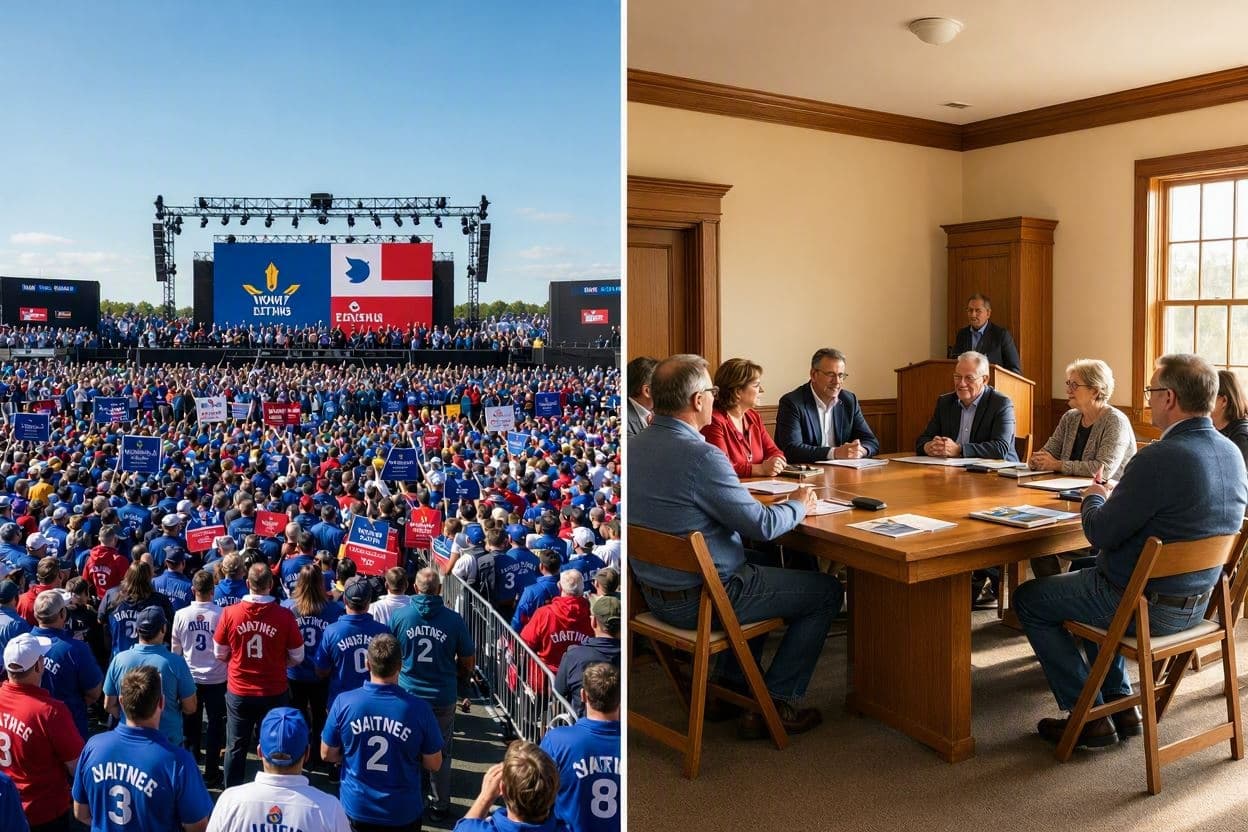
AI Image Disclaimer: The visual representations included here are AI-generated illustrations designed to conceptualize political campaigning and are not actual photographs of specific candidates or events.
Sources: The Washington Post CNN Roll Call
Published by Banx Network. This article is part of the Banx decentralized media programme, powered by the BXE token on the XRP Ledger.