

Key Highlights
- Googlebook:A new AI-powered laptop category from Google.
- Gemini AI:Central to enhancing productivity and integration.
- Market Impact:Signals intensified competition in the AI hardware sector.
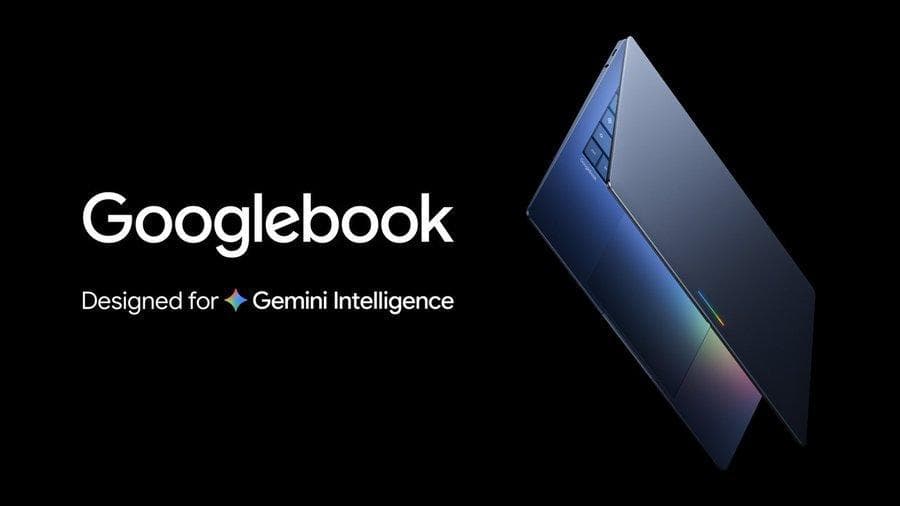
Google's recent unveiling of the Googlebook marks a significant milestone in the evolution of laptops, as the tech giant aims to redefine personal computing through artificial intelligence. This new category of laptops, powered by Google's Gemini AI, is designed to integrate seamlessly with Android devices, enhancing user productivity and creating a more interconnected digital experience.
The introduction of Googlebook has ignited discussions within both tech and cryptocurrency communities, with many experts viewing it as a pivotal step toward an AI-centric future. Unlike traditional laptops that primarily focus on hardware specifications like speed and storage, Googlebook is engineered to prioritize intelligent assistance and real-time AI workflows. This shift reflects a broader trend where devices are not just tools but active companions that enhance user capabilities in writing, coding, research, and media creation.
At the heart of this innovation is Google's Gemini AI system, which has quickly become a cornerstone of the company's strategic vision. By transforming laptops into AI-powered devices, Google aims to provide users with personalized digital experiences that adapt to their needs. This approach could fundamentally change how individuals interact with technology, making it more intuitive and responsive.
The launch of Googlebook also intensifies competition among major tech players, including Microsoft, Apple, and NVIDIA, all of whom are vying for dominance in the burgeoning AI hardware market. As artificial intelligence becomes increasingly integrated into everyday devices, the landscape of personal computing is set to undergo a dramatic transformation. The next frontier in technology may not solely revolve around software advancements but rather the hardware that supports these intelligent systems.
One of the standout features of Googlebook is its deep integration with the Android ecosystem. This allows for seamless synchronization between smartphones, AI assistants, cloud services, and applications, effectively blurring the lines between mobile and desktop computing. Analysts suggest that this strategy could bolster Google's ecosystem dominance, providing new avenues for developers and startups focused on AI solutions.
The timing of the Googlebook launch is particularly noteworthy. With global demand for AI technologies surging, semiconductor companies are reporting unprecedented growth, and institutional investors are heavily backing AI infrastructure. Googlebook enters a market ripe for innovation, where consumers and businesses alike are actively seeking tools that enhance efficiency and streamline workflows.
Beyond the immediate implications for hardware, the introduction of Googlebook signifies a broader shift in the global economy. AI is transitioning from a novel concept to a critical component of infrastructure across various sectors, including finance, healthcare, education, and cybersecurity. As intelligent systems become more integrated into daily operations, the potential for transformative change is immense.
If Googlebook achieves its ambitious goals, it could herald the dawn of a new computing era where AI-native devices become the norm rather than the exception. The race for the future of intelligent computing has officially accelerated, and the stakes are high as Silicon Valley's leading companies prepare for a competition that could redefine technology for years to come.
Published by Banx Network. This article is part of the Banx decentralized media programme, powered by the BXE token on the XRP Ledger.




