
Key Highlights
- New Protocol:Google and Coinbase unveil the Agent Payments Protocol (AP2).
- AI Integration:The protocol allows AI agents to handle payments automatically.
- Stablecoin Adoption:AP2 integrates stablecoins with traditional payment methods.
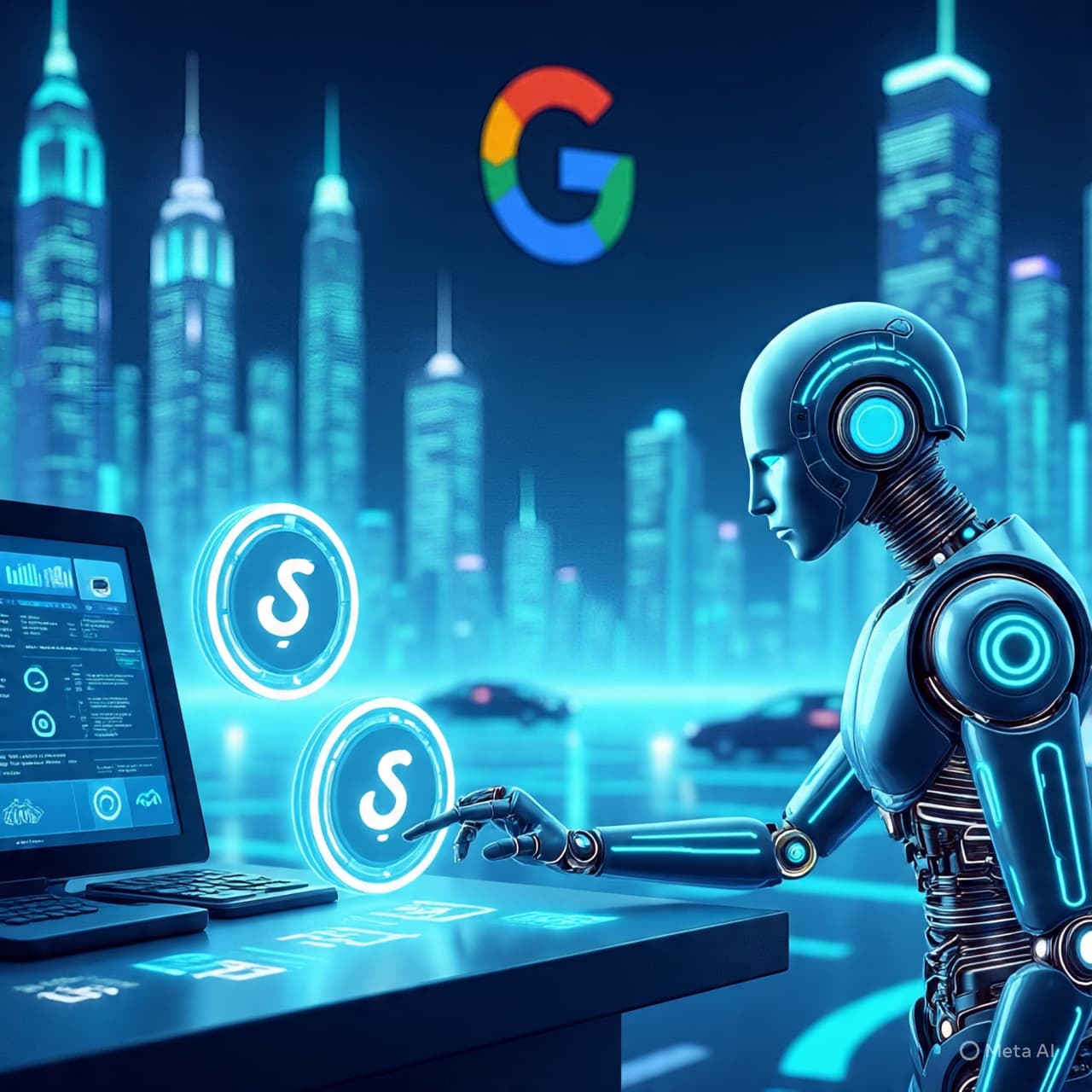
Google has unveiled its new "Agent Payments Protocol (AP2)" — an open-source framework designed to let AI agents initiate and complete payments automatically. In partnership with Coinbase, Mastercard, PayPal, the Ethereum Foundation, and other major players, AP2 aims to blend traditional payments with stablecoins in one secure system. This initiative is part of a broader trend where AI is increasingly tasked with managing financial transactions on behalf of users.
The concept of AP2 addresses a pressing issue in the evolving landscape of digital commerce. As AI agents take on more responsibilities, such as booking travel or managing subscriptions, the need for clear operational guidelines becomes paramount. AP2 introduces mechanisms like "digital mandates" and "verifiable credentials" to ensure that every AI-led purchase is explicitly authorized by the user. This framework not only enhances security but also builds trust in automated transactions.
A significant aspect of AP2 is its focus on creating a "cryptographic audit trail." This feature records every transaction step, allowing for easy tracing of errors or fraudulent activities. Such transparency is crucial in a world where digital transactions are becoming the norm, especially as AI systems become more autonomous.
For the cryptocurrency sector, this development is particularly noteworthy. By positioning stablecoins like USDC and USDT alongside traditional payment methods such as credit cards and bank transfers, AP2 signals a shift towards a more inclusive financial ecosystem. This integration suggests that AI-powered commerce will not only accommodate but also embrace digital assets, potentially leading to wider acceptance of cryptocurrencies in everyday transactions.
However, the rollout of AP2 is not without challenges. Regulatory concerns surrounding stablecoins persist, and the security risks associated with digital transactions remain a significant hurdle. Additionally, merchants will need to adapt to this new layer of technology, which may require substantial investment in infrastructure and training. Despite these challenges, if AP2 gains traction, it could represent a pivotal shift in how AI interacts with financial systems, transforming not just how we think about AI but also how it spends on our behalf.
As the landscape of digital commerce evolves, the collaboration between tech giants like Google and Coinbase highlights the potential for innovation at the intersection of AI and finance. The success of the Agent Payments Protocol could pave the way for a future where AI not only thinks and acts but also spends, fundamentally changing the way we engage with money in the digital age.
Published by Banx Network. This article is part of the Banx decentralized media programme, powered by the BXE token on the XRP Ledger.



