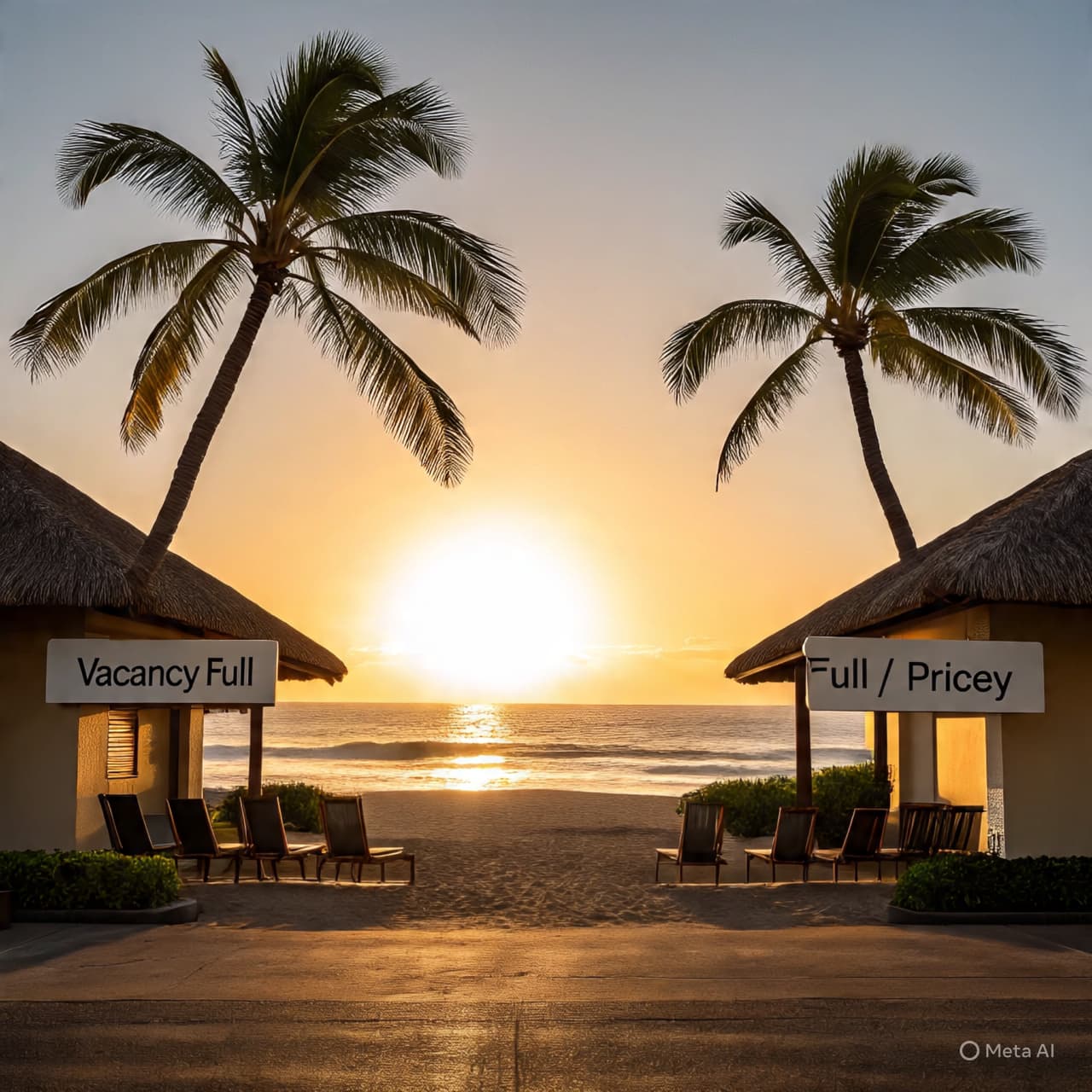
On an island paradise though-touched by volcanoes and sea salt, a quiet shift has begun — one that whispers not of waves or surf, but of change: of who belongs in Hawaiʻi, and who can still afford to drift there for a week of sun and respite. The golden beaches once open to many beginning explorers now seem to shine under a different light: reserved, in subtle ways, for those whose wallets are deep enough.
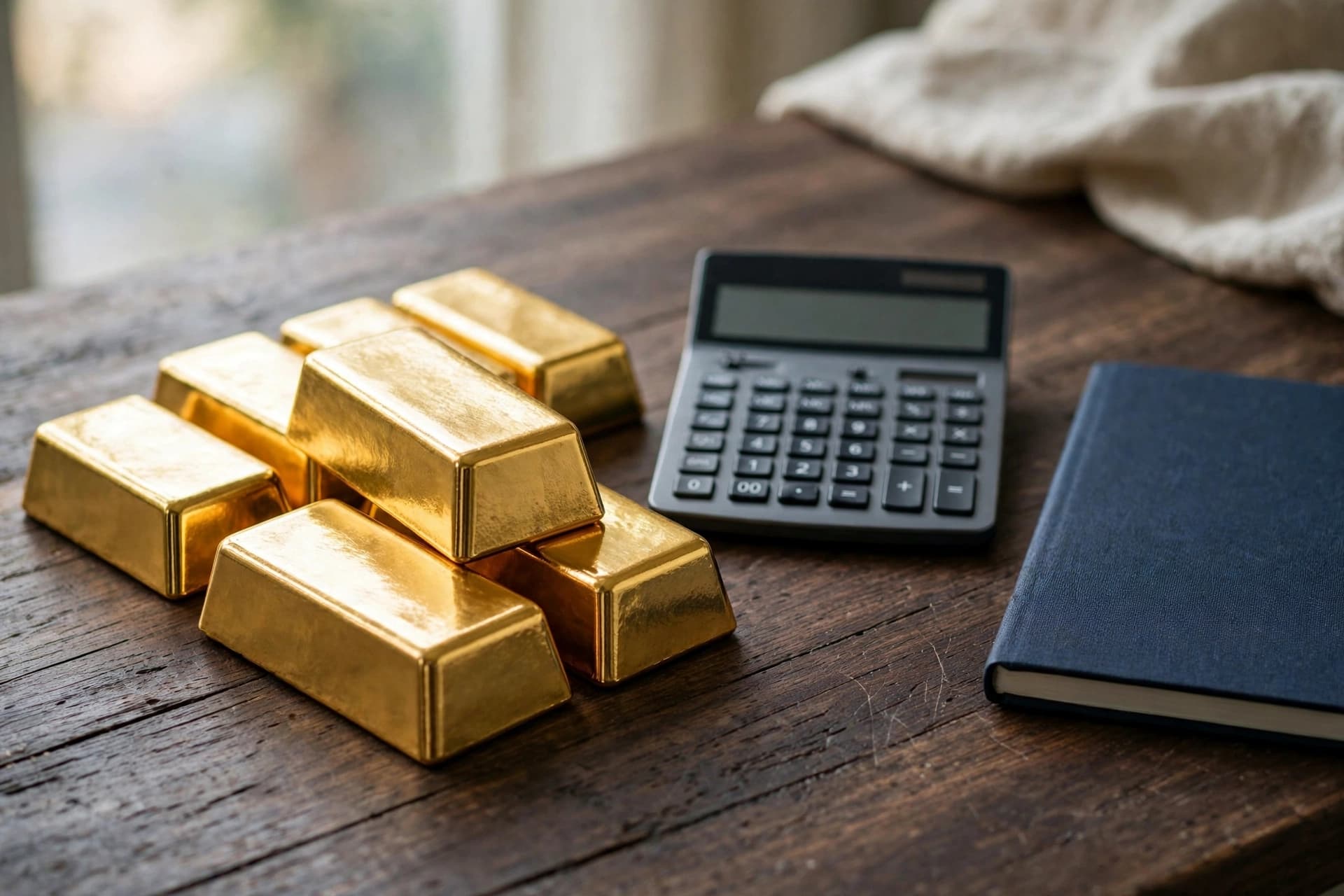
The cost of going to Hawaiʻi has climbed steeply. Hotels, short-term rentals, resort fees, taxes, even food and everyday services — all have grown more expensive, shrinking the space where a “middle-class vacation” might fit. What once felt like a treat or a reachable dream now often arrives with a sticker shock that forces many to reconsider. Recent data shows visitor numbers softening, while per-person spending continues to rise.
That makes sense: when accommodation nightly rates rise, smaller businesses and mid-tier services face pressure too. The island’s economy — once sustained by a broad swath of friendly travellers — has gradually tilted toward a “high-value visitor” model: fewer visitors overall, but those who arrive spending enough to justify the higher costs. The effect? Middle-class travelers — families, professionals with modest means, budget-minded vacationers — find themselves squeezed out. Many reportedly now look elsewhere, in search of destinations where their budgets still stretch.
The ripple effects are broader than just tourism. Locals — from service workers to small-business owners — feel it when mid-range tourism shrinks. Businesses oriented toward middle-class visitors struggle when demand drops; local economies that once thrived on steady, moderate tourism face new uncertainty. At the same time, housing pressure, high cost of living and burdens on infrastructure make the island increasingly unaffordable for many residents.
For a visitor who once pictured Hawaiʻi as “somewhere you could go for a week and feel the aloha,” the destination now feels different: rarer, more selective, more distant. Activities that once felt like part of the everyday magic — a surf lesson, a shave-ice under sun, a hike or a local meal — now carry a price that forces choices, trade-offs, sometimes even sacrifice.
Hawaiʻi remains beautiful. Its beaches still gleam, its mountains still stand, its surf still calls. But the experience – and who can participate — is shifting. If current trends hold, the islands may slowly become a realm where only more affluent travellers — those willing and able to pay premium prices — can claim a seat. For others, Hawaiʻi may drift from dream to memory.
The shift in Hawaiʻi’s travel landscape isn’t just about economics — it speaks to identity, access, and what it means to belong somewhere even for a moment. The paradise once open to many may be quietly re-shaping itself for a few. And as that change takes root, the idea of “middle-class travel to Hawaiʻi” may be becoming, slowly, a relic.
AI image disclaimer: “Visuals are created with AI tools and are not real photographs.”
Sources: SFGATE Travel And Tour World The Hawaii Vacation Guide Maui News Beat of Hawai‘i
Published by Banx Network. This article is part of the Banx decentralized media programme, powered by the BXE token on the XRP Ledger.