Gold has occupied a special place in human history for thousands of years. It adorns crowns, rests in vaults, and serves as a symbol of durability. Part of that reputation comes from a long-standing scientific observation: gold appears remarkably resistant to chemical change. Yet modern research suggests the story is more nuanced than it first appears.
Scientists increasingly describe gold not as completely inactive, but as extraordinarily well protected. The metal’s apparent stability arises from electronic structures that shield it from many reactions that readily affect other materials.
This protective behavior can be compared to a fortress surrounded by layers of security. Under ordinary conditions, gold’s electrons create barriers that make it difficult for outside substances to interact with the metal’s atoms.
For generations, chemistry textbooks highlighted gold’s resistance to corrosion and oxidation. Unlike iron, which rusts, or silver, which tarnishes, gold remains visually unchanged across long periods of time. This characteristic contributed significantly to its historical value and practical use.
Researchers now emphasize that gold is not truly incapable of participating in chemical reactions. Under specific laboratory conditions, especially at the nanoscale, gold can become surprisingly active and can even function as an effective catalyst.
Nanoparticles of gold have demonstrated the ability to accelerate chemical processes that bulk gold would normally resist. This discovery has helped expand scientific interest in applications ranging from environmental technologies to medical research.
The newer understanding challenges the simplified idea that gold is chemically inert. Instead, scientists view its behavior as dependent on context, structure, and the environment surrounding its atoms.
These findings illustrate a broader lesson within science. Materials that appear straightforward often reveal additional layers of complexity when examined with more advanced tools and techniques.
As research continues, gold remains both a familiar precious metal and a subject of ongoing scientific exploration. Its reputation for stability endures, but scientists increasingly recognize that beneath its calm surface lies a more dynamic story.
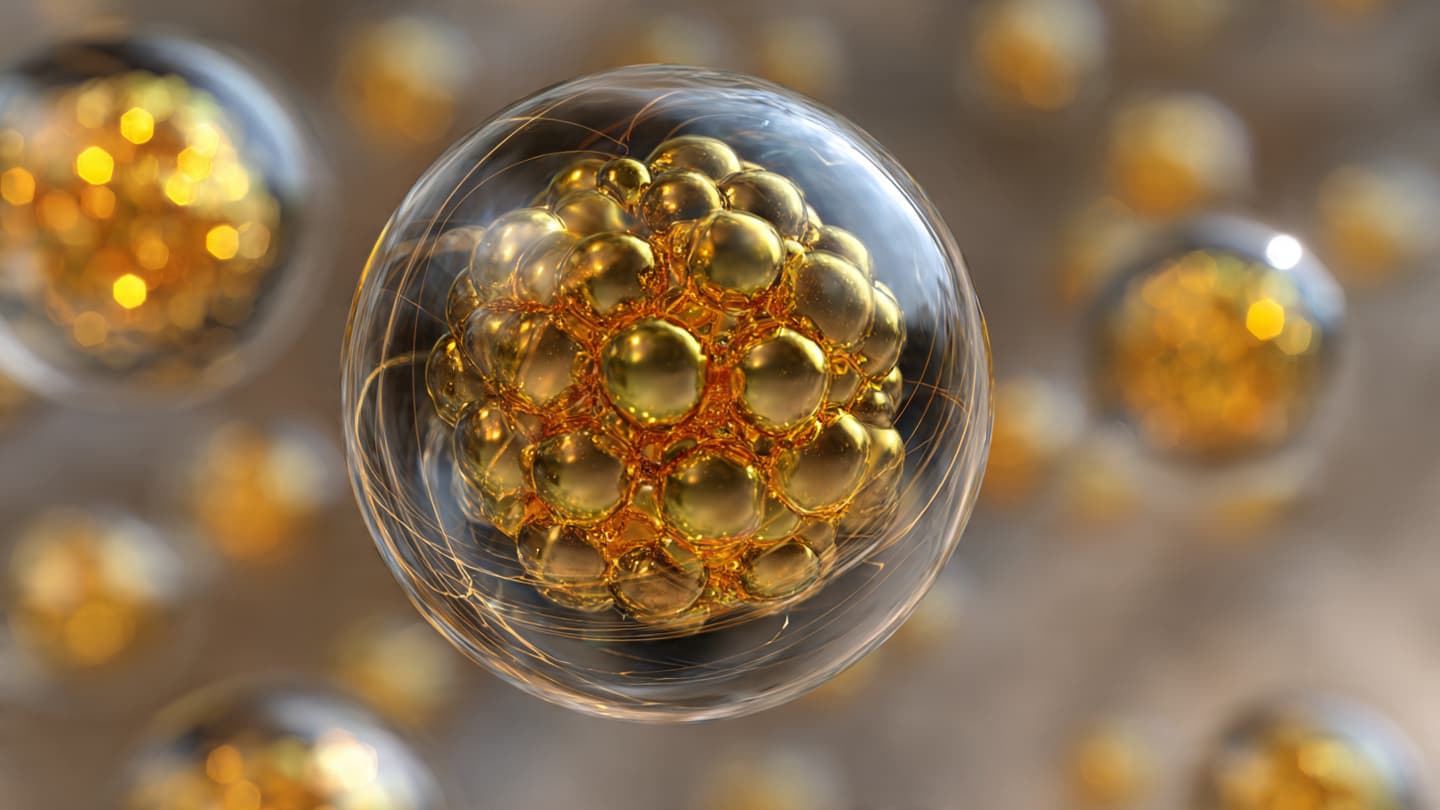
AI Image Disclaimer: Any visual accompanying this article is AI-generated and intended for illustrative purposes only.
Sources (Verification Check) Nature Science News New Scientist American Chemical Society
Published by Banx Network. This article is part of the Banx decentralized media programme, powered by the BXE token on the XRP Ledger.