
Key Highlights
- Incident:Three miners died in an illegal gold mine collapse in North Sulawesi.
- Rescue Efforts:Local miners attempted to save them but were hindered by secondary cave-ins.
- Investigation:Authorities are investigating the mine's ownership and operations.
An illegal gold mining shaft in North Sulawesi collapsed on Tuesday, resulting in the tragic deaths of three miners. The incident occurred during heavy rainfall, which compromised the structural integrity of the makeshift extraction tunnel. This tunnel, dug without proper engineering oversight, was located in a remote area and was particularly vulnerable to water saturation. Efforts to rescue the trapped miners were hampered by subsequent cave-ins, forcing fellow workers to retreat.
Local disaster response teams faced significant challenges in reaching the site due to mudslides that blocked access roads. It took them four hours to arrive, and by the time they cleared the entrance, oxygen monitors indicated dangerously high levels of carbon monoxide inside the shaft. Recovery teams were able to retrieve the bodies of the miners later that afternoon.
The deceased were identified as local villagers who had been working at the unlicensed site to supplement their income during the agricultural off-season. The rise in unregulated gold extraction in the region has been fueled by soaring international commodity prices, leading many to resort to dangerous mining practices. Most operations in the area utilize rudimentary methods, including wooden ladders and hand-cranked winches, to lower workers into narrow pits.
Local police confirmed that the mine was operating within a protected production forest area, where all mining activities are strictly prohibited. Despite repeated warnings issued to the operators of these illegal mines, enforcement has been challenging due to the remote geography and the transient nature of these operations.
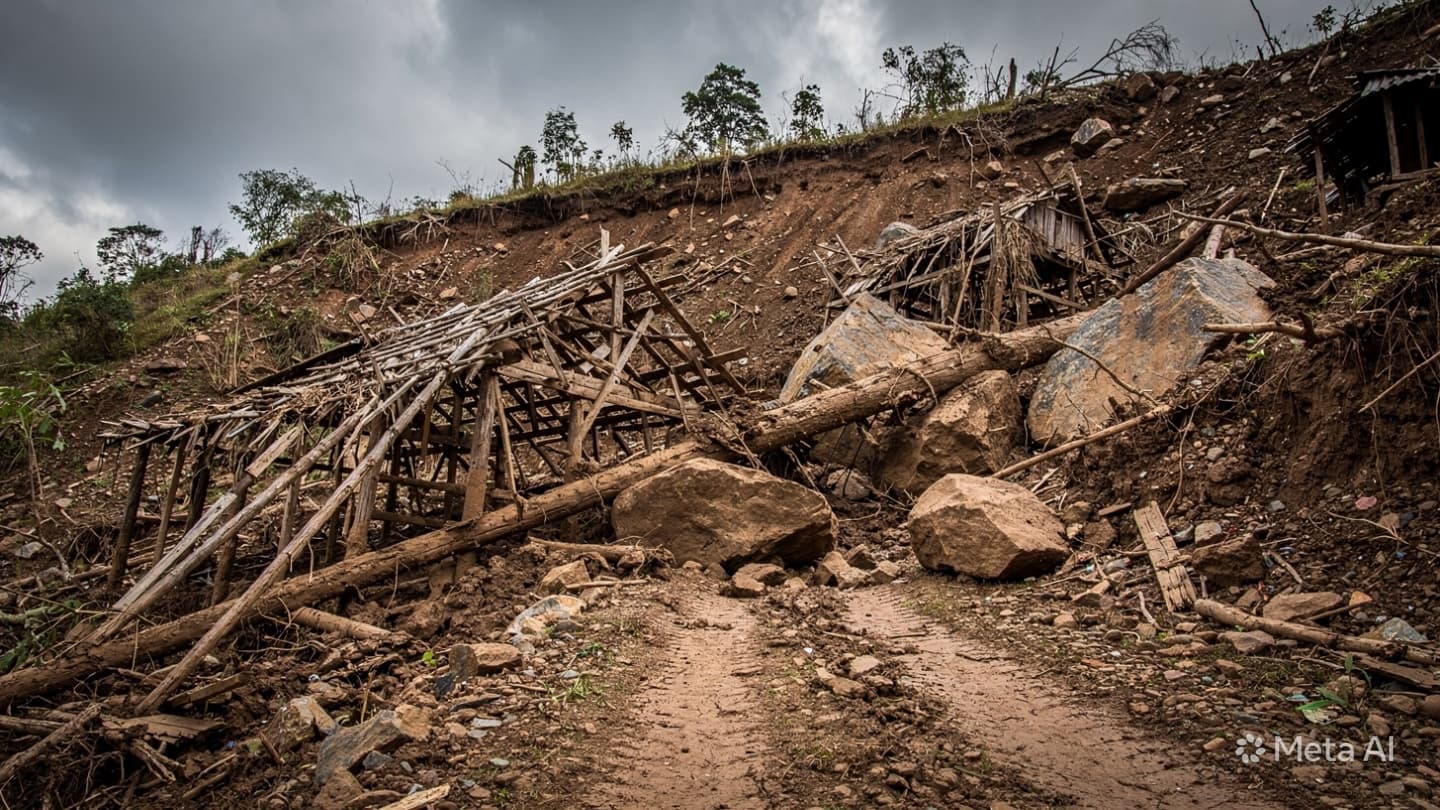
Environmental officials noted that the recent heavy rains had destabilized the topsoil on the cleared hillsides, significantly increasing the risk of landslides. Water infiltration into the unlined shafts eroded the clay walls, ultimately leading to the catastrophic collapse of the overhead structure.
The bodies of the miners were taken to a regional health center for identification and post-mortem examinations before being returned to their families. Local village leaders expressed their frustration over the lack of economic alternatives, which often drives young men into hazardous and unregulated labor in the mines.
In response to the incident, regional police commanders announced a comprehensive investigation into the ownership of the illegal mine. They pledged to arrest those financing these operations and supplying equipment. Previous crackdowns have often failed to result in lasting closures, as operations tend to quickly relocate to nearby valleys once authorities leave.
Engineers from the provincial mining department have been dispatched to assess the stability of adjacent tunnels, which remain at risk of collapse due to ongoing rainfall. Police have cordoned off the area with warning tape and confiscated equipment left behind by fleeing workers. The regional government has issued a directive to suspend all traditional mining activities in the district until safety inspections can be conducted, while pumping equipment continues to drain water from the main breach.
Published by Banx Network. This article is part of the Banx decentralized media programme, powered by the BXE token on the XRP Ledger.



