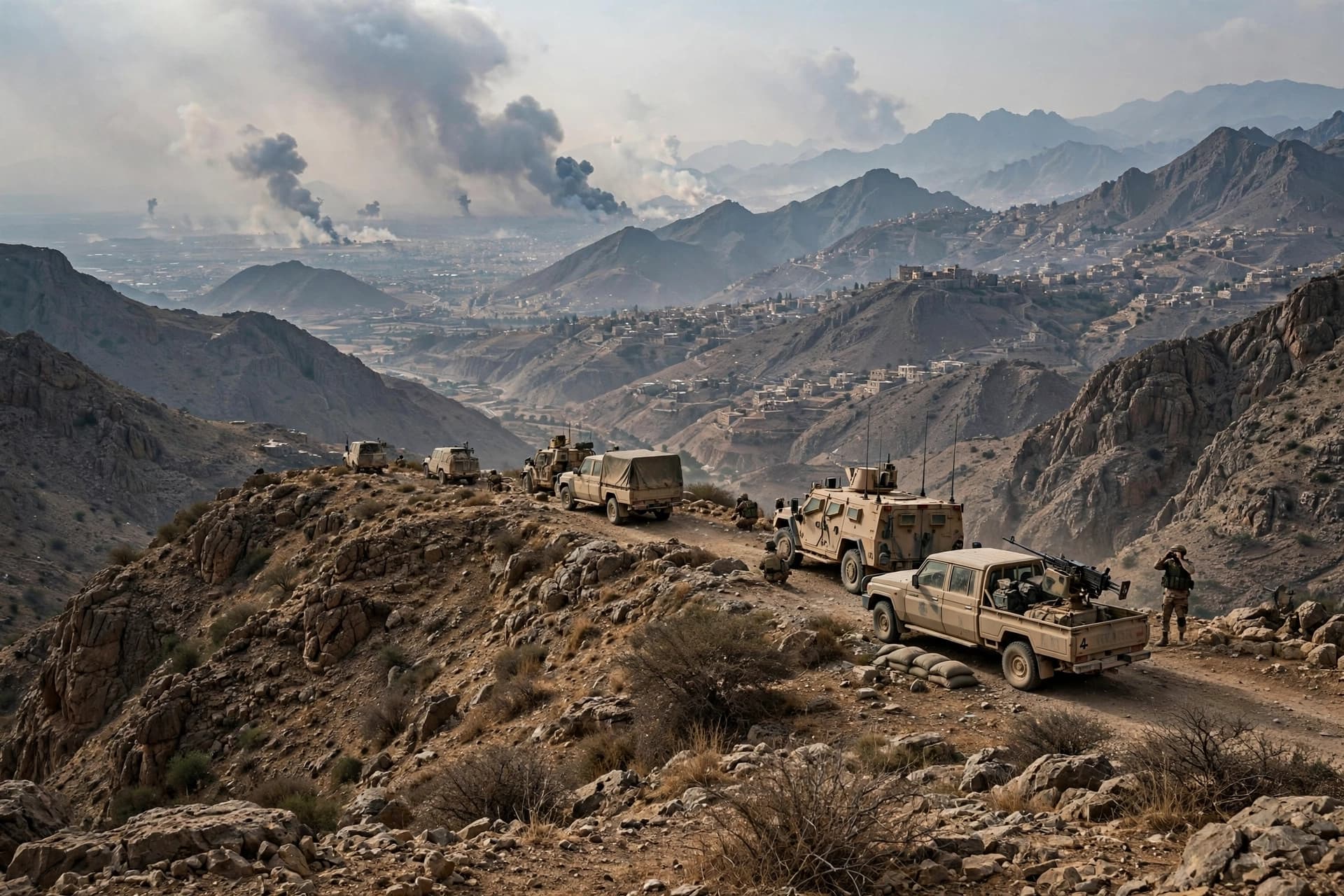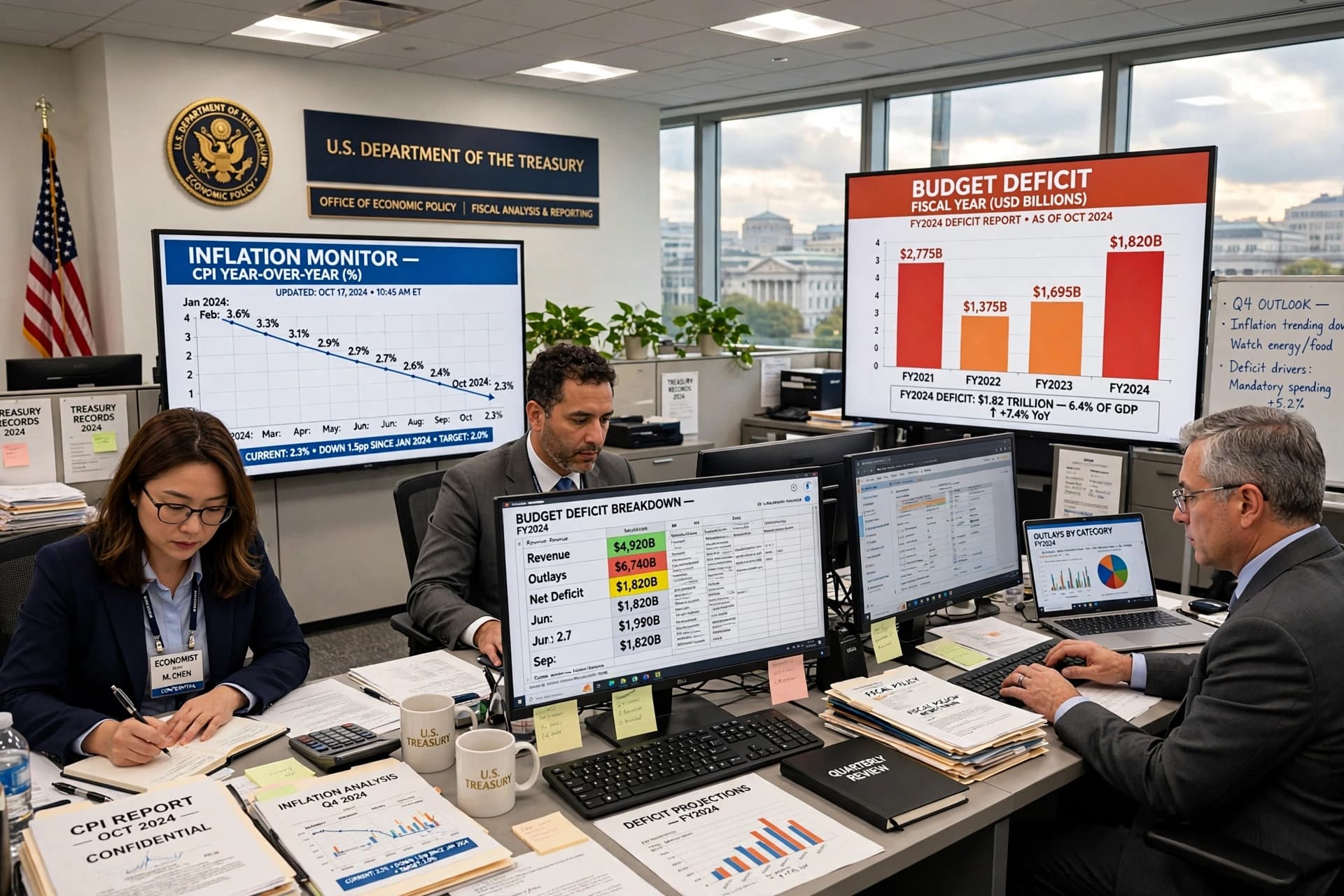
There is a particular discipline that arrives when the world beyond one's borders begins to dictate the terms of life within them—a discipline measured not in ideology but in arithmetic, in the hard calculation of what can be spent and what must be saved. For Australia, that discipline has arrived in the form of a war in the Middle East that has disrupted global oil supplies, pushed inflation to a four percent annual rate, and forced the Reserve Bank to raise interest rates to their highest level since 2011 . On Sunday, Treasurer Jim Chalmers acknowledged what he called "very substantial and intensifying" pressure on the federal budget, warning that the mid-year economic update will require further cuts—but insisting, with a caution that bordered on a plea, that Australia can and will avoid a recession .
The numbers behind the pressure tell a story of an economy caught between forces it did not create. The US-led war against Iran, now in its eighth month, has severely curtailed oil supplies from the region, driving up the price of petrol, fertiliser, and plastics . Inflation in Australia has climbed to 4 percent, and the Reserve Bank has lifted its key interest rate to 4.6 percent—the highest since 2011 . The government has already identified $44.9 billion in savings over four years in the May budget, and Chalmers said the December update will require more .
What makes the treasurer's position delicate is that the criticism of his spending has come from both directions. Shadow Treasurer Tim Wilson said Chalmers should be sacked, accusing him of having "actively stoked inflation" and "fundamentally undermined the success of this country" . But Chalmers pushed back by pointing to the composition of demand: for every five dollars of demand in the Australian economy, he said, four are private and only one is public. "Budget settings are not the primary driver of prices," he argued. He then issued a challenge to critics: "If people don't want us to strengthen Medicare, for example, or cut income taxes, or provide cost-of-living relief in other ways, then they should nominate where that should be cut" .
The government's own forecasts, laid out in the May budget, assume a modest slowdown rather than a contraction. Treasury expects growth to slow to 1.75 percent next year, with unemployment rising only slightly to 4.5 percent. Even under a "severe scenario" in which oil prices peak at $200 a barrel and take three years to fall, Chalmers said Australia would avoid recession, though inflation would peak above seven percent and unemployment would rise to five percent . Assistant Science and Digital Technology Minister Andrew Charlton made the political stakes explicit: "If you have a recession, you throw hundreds of thousands of people on to the unemployment queues... It's pretty easy to have low interest rates and low inflation if your economy goes through a recession. As a Labor government, that is a big priority for us to make sure that we don't go into a recession that drives a lot of people into unemployment" .
For Chalmers, the immediate task is to find savings without cutting the services that define his party's priorities. He will travel to Japan this week for meetings with business leaders and the finance minister, seeking investment and fuel security . The budget, meanwhile, remains "hostage" to events overseas—a phrase Chalmers has used himself . The war will end when it ends. Oil prices will move as they move. And the government will continue its delicate work: cutting where it can, protecting where it must, and hoping that the arithmetic of avoidance holds.
AI Image Disclaimer: The images accompanying this article were generated by artificial intelligence and are for illustrative purposes only.
Sources: The Guardian, Business Builders, The New Daily, Barron's
Published by Banx Network. This article is part of the Banx decentralized media programme, powered by the BXE token on the XRP Ledger.