
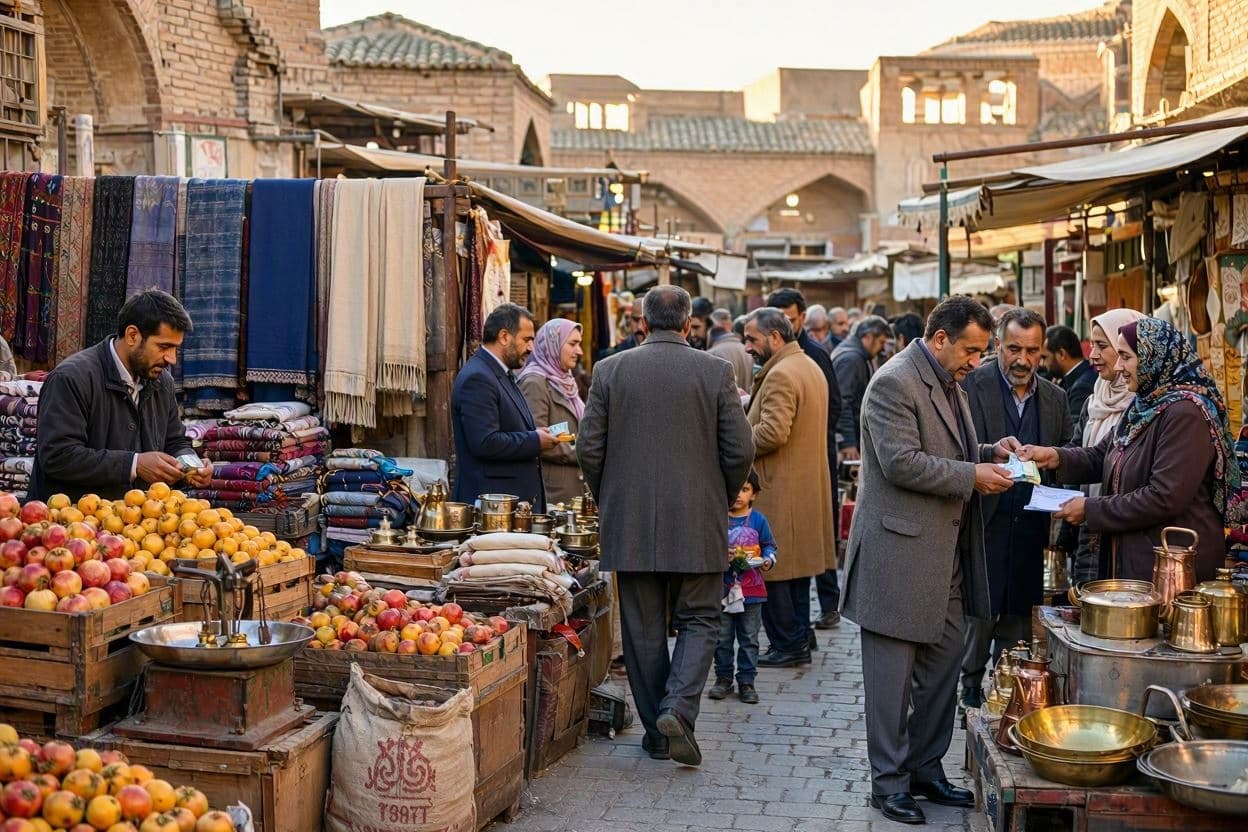
Economic stability is often likened to the foundation of a house, invisible yet essential for shelter and security. When that foundation trembles, the entire structure feels the strain. In Iran, the recent intensification of United States sanctions has sent shockwaves through an already fragile economy, deepening a crisis that affects everything from currency value to daily household budgets. This latest campaign serves as a stark reminder of how geopolitical decisions ripple through markets, impacting the livelihoods of ordinary citizens in profound and tangible ways.
The new sanctions target key sectors of the Iranian economy, including energy and finance, aiming to restrict revenue streams and limit international trade. For a nation that has long navigated a complex web of economic restrictions, these measures add another layer of difficulty. The immediate effect has been a sharp decline in the value of the rial, making imports more expensive and fueling inflation. For families who have already adjusted their spending habits over years of uncertainty, this volatility brings renewed anxiety.
Businesses across the country are feeling the pinch. Importers struggle to secure foreign currency, while exporters face hurdles in accessing global banking systems. Small and medium-sized enterprises, which form the backbone of the local economy, find themselves caught in the crossfire. The uncertainty discourages investment and slows down commercial activity, creating a cycle of stagnation that is difficult to break.
The human cost of these economic pressures is significant. Rising prices for basic goods, from food to medicine, place a heavy burden on households. Many Iranians are forced to dip into savings or rely on community support to make ends meet. The psychological toll of financial insecurity adds to the social strain, fostering a sense of vulnerability among the population.
Government officials have responded with calls for resilience and self-reliance, emphasizing domestic production and alternative trade partnerships. However, critics argue that without broader diplomatic engagement, internal measures alone may not be sufficient to stabilize the economy. The debate highlights the tension between national sovereignty and global integration, a challenge faced by many nations in similar positions.
International observers note that while sanctions are intended to influence political behavior, their economic impact is often immediate and severe. The effectiveness of such campaigns is a subject of ongoing discussion among economists and policymakers. Some argue that they create leverage for negotiation, while others contend that they primarily harm civilian populations without achieving strategic goals.
Despite the challenges, there are signs of adaptation. Local industries are exploring new markets and technologies to bypass restrictions. Innovation in digital finance and regional trade agreements offers glimpses of potential pathways forward. Yet, these efforts require time and resources that are currently scarce, making the transition slow and arduous.
As the situation unfolds, the focus remains on how the Iranian people navigate this period of hardship. Their resilience is tested daily, not just by economic metrics but by the ability to maintain hope and community cohesion. The crisis underscores the interconnectedness of global politics and local lives, where decisions made in distant capitals resonate in local markets.
The deepening economic crisis in Iran, exacerbated by new US sanctions, highlights the profound impact of geopolitical strategies on civilian life. As the nation grapples with inflation and trade restrictions, the resilience of its people remains a central theme. The situation invites reflection on the balance between political objectives and humanitarian consequences.
AI Image Disclaimer: The visual representations accompanying this article are AI-generated interpretations designed to symbolize economic challenges and resilience, using abstract imagery of market scenes and currency symbols.
Sources: Reuters Bloomberg Financial Times
Published by Banx Network. This article is part of the Banx decentralized media programme, powered by the BXE token on the XRP Ledger.
.jpg&w=3840&q=75 "Trump Calls Latest US Attack on Iran “Justified” and Threatens Bigger Strikes")

.jpg&w=3840&q=75 "Canada’s Carney Criticizes Trump Administration for “Doing Memes” and “Throwing Shade”")