The landscape of global power is shifting, not just through diplomacy but through the tangible depletion of resources on the battlefield. Recent reports indicate that the United States is rapidly consuming its stockpiles of weapons in engagements related to Iran, a situation that has drawn the keen attention of rivals like Russia and China. This dynamic highlights the logistical and economic strains of prolonged military involvement, raising questions about sustainability and deterrence. It is a moment of geopolitical introspection, where the cost of power is measured not just in dollars but in readiness and influence. The world watches closely, assessing the balance of strength and vulnerability.
The term "burning through weapons" refers to the high rate of munitions consumption in recent conflicts, including strikes against Iranian-backed militias and direct confrontations. Precision-guided missiles, drones, and defensive systems are being used at unprecedented rates, straining production capacities and supply chains. For the U.S., this poses a challenge in maintaining stockpiles for other potential theaters of operation. The need to replenish these assets requires time and resources, creating windows of opportunity for adversaries who are observing these trends with strategic interest.
Russia and China, watching from afar, are likely adjusting their own strategies. They see the U.S. engagement as a test of endurance and industrial capacity. By studying American tactics and logistics, they can identify weaknesses and adapt their own military doctrines. This observation is not passive; it informs their investments in defense technology and their diplomatic maneuvers. The goal is to exploit any perceived gaps in American power projection, ensuring they are prepared for future contingencies.
For policymakers in Washington, the situation underscores the importance of industrial base resilience. Efforts to ramp up production of key weapons systems are underway, but they face hurdles such as labor shortages and material constraints. The debate over defense spending intensifies, with calls for greater efficiency and innovation. The balance between immediate operational needs and long-term strategic goals is delicate, requiring careful navigation to ensure national security is not compromised.
Allies are also watching, concerned about the reliability of U.S. security guarantees. If American stocks are depleted, can the U.S. still defend its partners effectively? This question affects alliance cohesion and defense planning in Europe and Asia. Reassurance through transparent communication and joint exercises is crucial to maintaining trust. The strength of these partnerships depends on the perception of American capability and commitment.
The broader implication is a shift toward multi-polar competition, where military strength is just one component of national power. Economic stability, technological leadership, and diplomatic influence are equally vital. The U.S. must navigate this complex landscape with care, ensuring that its actions today do not compromise its security tomorrow. The eyes of the world are on the inventory counts, reading them as signals of intent and capacity.
The rapid depletion of U.S. weapons in Iran-related conflicts is a significant strategic concern. As Russia and China take note, the need for robust defense production and allied coordination grows urgent. The hope is for a balanced approach that maintains deterrence while preserving long-term readiness.
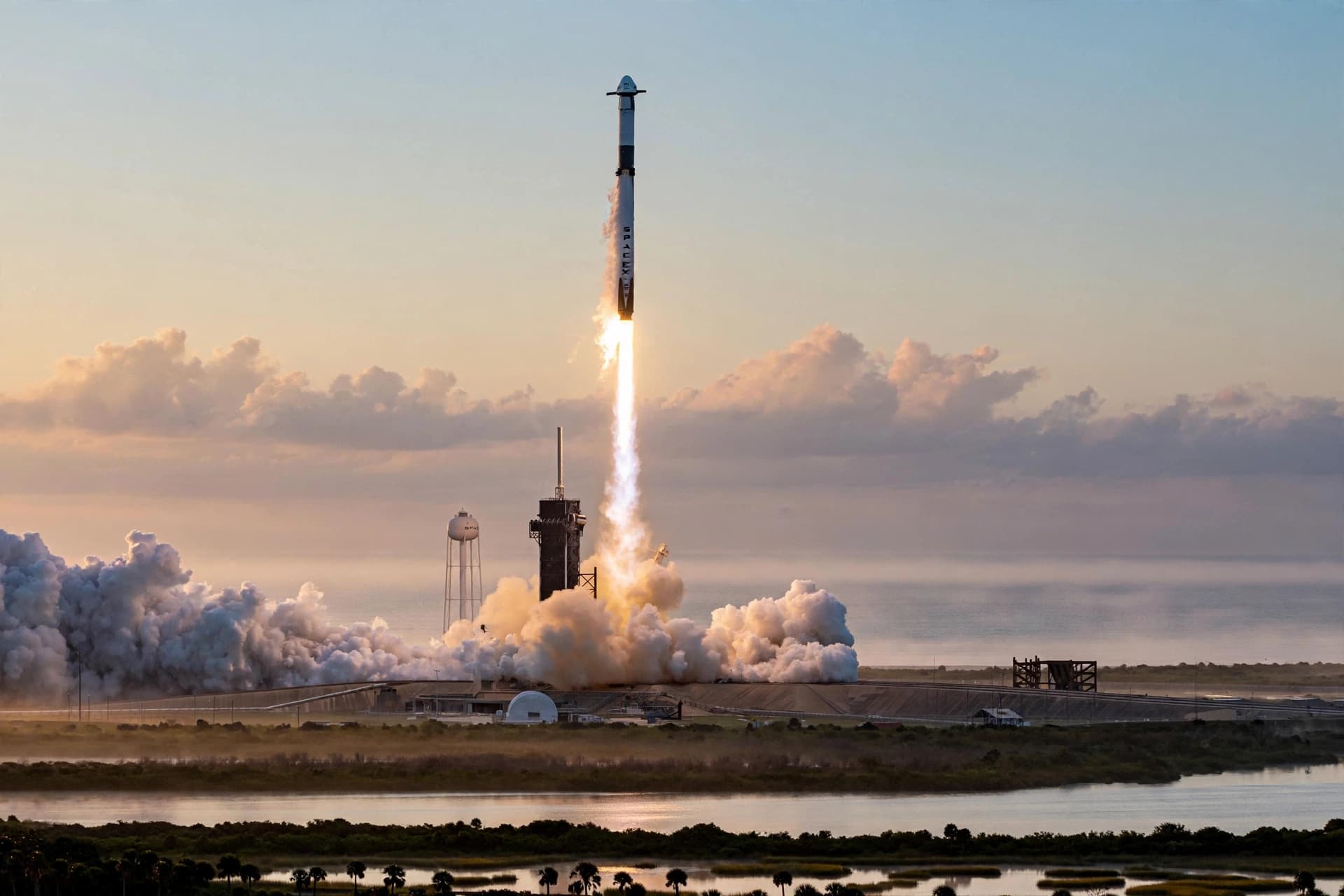
AI Image Disclaimer: Visuals associated with this article are AI-generated to illustrate the themes of geopolitics and military strategy.
Sources: The War Zone Defense News Foreign Policy
Published by Banx Network. This article is part of the Banx decentralized media programme, powered by the BXE token on the XRP Ledger.