Key Highlights
- Freshwater scarcity affects 2.1 billion people globally.
- The UN warns of an impending 'water bankruptcy' crisis.
- Agriculture consumes 72% of the world's freshwater supply.
Freshwater Is Becoming a Strategic Global Resource
Water is essential to almost every aspect of modern civilization. It supports agriculture, electricity generation, manufacturing, sanitation, transport, and the operation of cities. Yet, despite covering much of the Earth's surface, only a small proportion of the planet's water is freshwater that can be readily accessed and used by people.
Most of the Earth's water is saltwater found in oceans and seas. Much of its freshwater is locked away in glaciers, ice sheets, or underground formations that are difficult or expensive to access. This leaves rivers, lakes, reservoirs, and accessible groundwater as particularly important sources for human consumption and economic activity.
The pressure on these resources is increasing. According to the United Nations' 2026 Sustainable Development Goals report, approximately 2.1 billion people lacked safely managed drinking water in 2024. A further 3.4 billion lacked safely managed sanitation services. Although access has improved over recent years, progress remains uneven, with poorer countries and vulnerable communities facing the greatest challenges.
The problem is not simply that the world is running out of water everywhere. Water scarcity is often geographical and seasonal. Some regions receive abundant rainfall, while others experience prolonged drought. Even countries with substantial freshwater resources can experience shortages when infrastructure is inadequate, pollution makes supplies unusable, or demand exceeds what local ecosystems can sustainably provide.
This distinction is important because the global freshwater crisis is both a question of physical availability and a question of distribution. Water may exist within a country's borders without being accessible to the people, farms, and businesses that need it.
The World Is Entering an Era of Water Bankruptcy
One of the most striking developments in 2026 was the publication of a report by the United Nations University Institute for Water, Environment and Health titled Global Water Bankruptcy: Living Beyond Our Hydrological Means in the Post-Crisis Era. Published on 20 January 2026, the report argues that conventional descriptions of water stress and water crises are no longer sufficient for some regions.
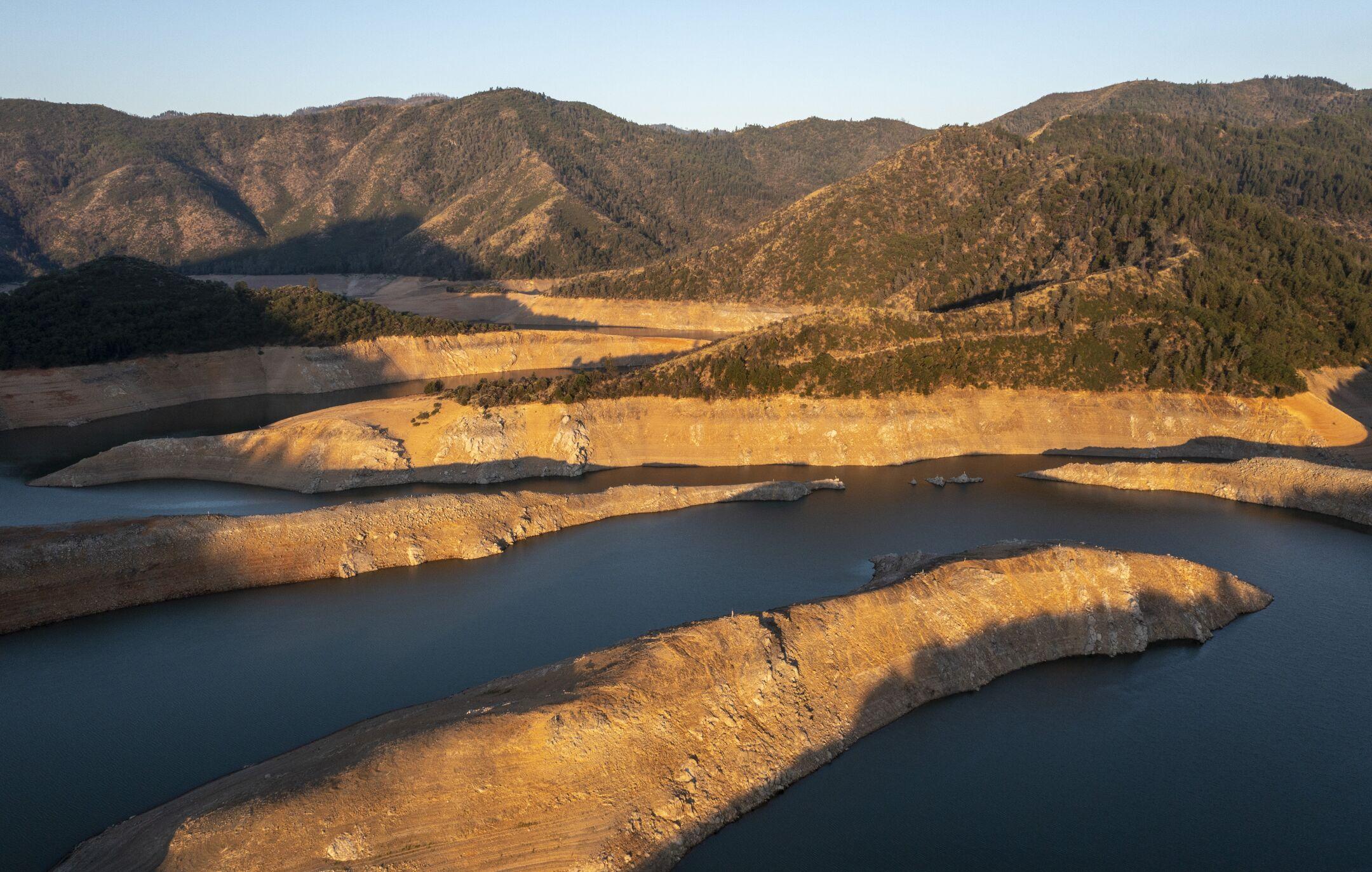
Its researchers identify a growing number of river basins and aquifers that have experienced prolonged overuse, environmental degradation, and declining natural storage. In some cases, the damage is so extensive that returning to historical water conditions may no longer be realistic.
The term 'water bankruptcy' describes a situation in which societies have effectively been spending water resources faster than natural systems can replenish them. This is particularly concerning for groundwater. Aquifers are underground geological formations that store water and supply wells, farms, and municipal systems. They are especially important in regions where rainfall is unreliable or surface water supplies are limited.
However, groundwater can take decades, centuries, or longer to replenish, depending on geological conditions. Extracting it faster than it naturally recharges can gradually lower water tables, increase pumping costs, and cause permanent damage in some locations. Overextraction can also contribute to land subsidence, where the ground sinks as underground water reserves are depleted.
The consequences extend beyond individual communities. Agricultural production, ecosystems, and industrial activity can all become dependent on water sources that are gradually losing their capacity to support demand. The report does not suggest that every country is facing irreversible water depletion. Rather, it warns that some important water systems have already crossed thresholds that require a fundamental change in how governments manage supply and demand.
The challenge is no longer simply responding to drought. In some places, it is adapting to a permanently altered water landscape.
Agriculture Is the World's Largest Consumer of Freshwater
Agriculture is at the center of the freshwater challenge. Producing food requires enormous quantities of water, particularly in regions where crops depend on irrigation rather than rainfall. According to the United Nations' 2026 Sustainable Development Goals report, agriculture accounted for approximately 72% of global freshwater withdrawals in 2023. Industry accounted for around 15%, while municipal uses represented the remainder. As the global population continues to grow, the demand for agricultural water will only increase, exacerbating the existing crisis.
In conclusion, the global freshwater crisis poses a significant challenge that requires immediate attention and action from governments, industries, and communities worldwide. Sustainable management of water resources is essential to ensure that future generations have access to this vital resource.
Published by Banx Network. This article is part of the Banx decentralized media programme, powered by the BXE token on the XRP Ledger.