

Key Highlights
- Investment Surge:Major banks are increasing investments in tokenized Treasury products and money market funds.
- Blockchain Efficiency:Tokenization enhances liquidity management and operational efficiency.
- Market Growth:Analysts predict rapid growth in tokenized government securities as infrastructure evolves.
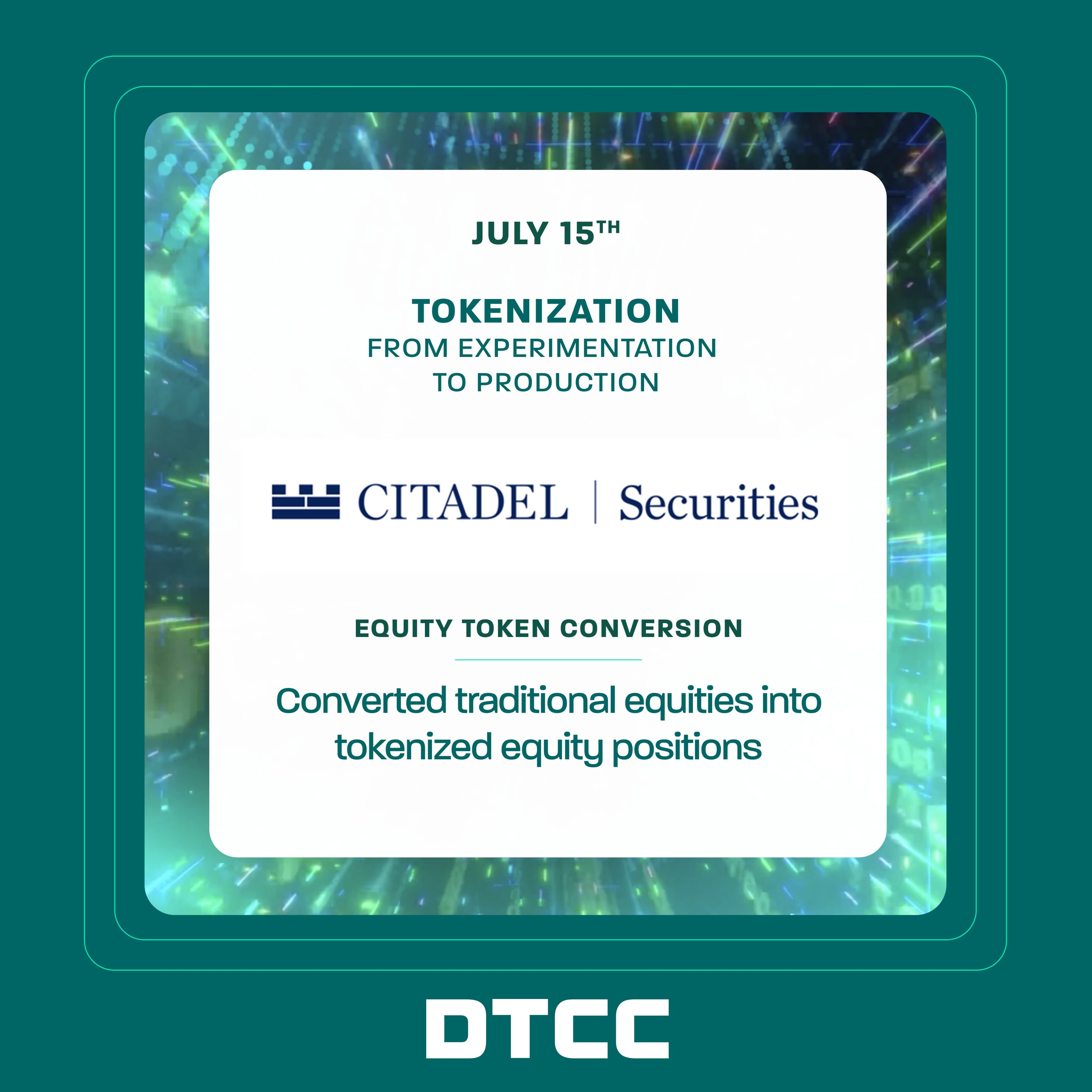
Major financial institutions are expanding their investments in tokenized Treasury products and blockchain-based money market funds as demand for digital versions of traditional financial assets continues to grow. Tokenization allows government securities and cash-management products to exist on blockchain networks while preserving their underlying value and regulatory structure. This shift is indicative of a broader trend where banks are increasingly recognizing the potential of digital assets in enhancing their service offerings.
Banks view tokenized funds as efficient tools for liquidity management. The ownership records maintained on blockchain infrastructure enable institutions to transfer assets more quickly, automate settlement processes, and improve transparency across financial operations. This efficiency is crucial in a fast-paced financial environment where timely transactions can significantly impact liquidity and operational costs.
In addition to banks, asset managers have also entered the market by launching blockchain-based investment products backed by U.S. Treasury securities. These products combine the stability of government debt with the efficiency of distributed ledger technology, attracting interest from institutional investors who are seeking secure, yield-generating digital assets. The integration of blockchain technology into these products not only enhances their appeal but also aligns with the growing trend of digital transformation in finance.
One major advantage of tokenization is the potential for continuous settlement. Unlike traditional financial markets that operate during business hours, blockchain networks function around the clock. This allows eligible participants to move tokenized assets more efficiently across different time zones, thereby enhancing global liquidity and market accessibility. The ability to transact at any time is a significant advantage that could reshape how financial markets operate.
The growth of tokenized money market funds complements the broader institutional adoption of stablecoins, tokenized deposits, and blockchain payment infrastructure. Together, these technologies are creating an increasingly interconnected digital financial ecosystem where assets can move rapidly while remaining compliant with financial regulations. This interconnectedness is expected to foster innovation and create new opportunities for financial institutions and their clients.
Financial institutions emphasize that tokenization is intended to modernize existing markets rather than replace them. By integrating blockchain technology into regulated financial products, banks aim to reduce operational costs, improve liquidity management, and enhance customer services. This approach reflects a strategic shift towards embracing technological advancements while maintaining compliance with regulatory standards.
Industry analysts expect tokenized government securities to become one of the fastest-growing sectors within digital finance as additional institutions develop compatible infrastructure and regulatory frameworks continue evolving. As the landscape of finance continues to change, the role of tokenization in enhancing efficiency and transparency will likely become increasingly significant, positioning financial institutions to better meet the needs of their clients in a digital-first world.
Published by Banx Network. This article is part of the Banx decentralized media programme, powered by the BXE token on the XRP Ledger.




