
Key Highlights
- Incident:A drone dropped contraband including crab legs and marijuana at Lee Correctional Institution.
- Investigation:Authorities are currently investigating the incident with no arrests made yet.
- Trend:The use of drones for smuggling contraband into prisons is on the rise across the U.S.
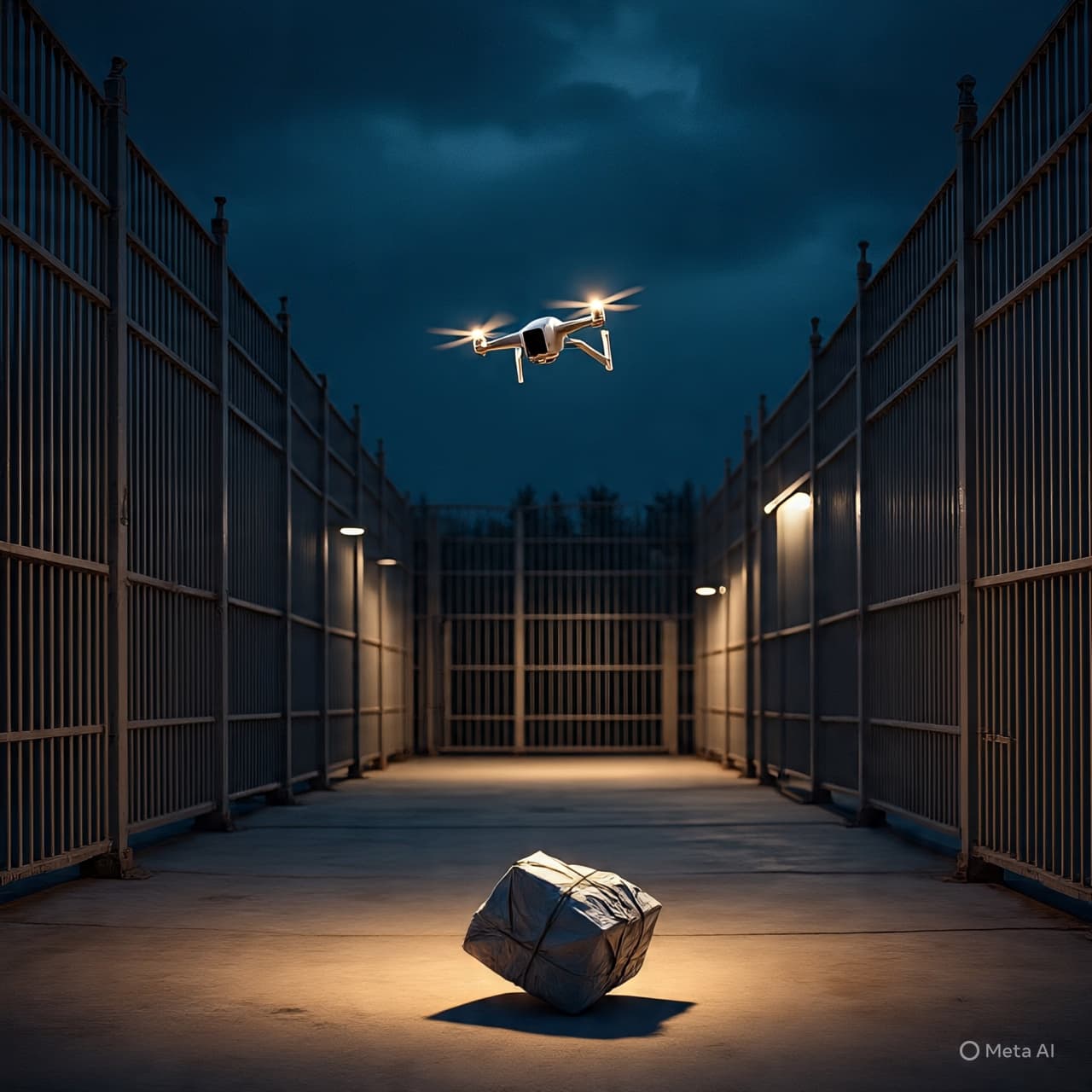
In a bizarre twist to the holiday season, a drone delivered an unusual package to inmates at Lee Correctional Institution in Bishopville, South Carolina. On a quiet December morning, a guard discovered a cache of contraband that included crab legs, raw steak, seasoning, cigarettes, and marijuana, all intended for an illicit holiday feast. The drone, which was hovering nearby, was confiscated shortly after the discovery, marking a significant incident in the ongoing battle against prison smuggling.
The South Carolina Department of Corrections described the intercepted package as an “early holiday Old Bay crab boil and steak dinner,” highlighting the absurdity of the situation. The raw steak was still in its supermarket packaging, and the presence of marijuana and cigarettes further underscores the lengths to which individuals will go to supply inmates with contraband. While no arrests have been made, the incident has sparked an investigation into the source of the drone and the individuals behind this unusual delivery.
This incident is not an isolated case; it reflects a growing trend across the United States where prisons are increasingly facing challenges from drone deliveries. As technology advances, the methods used by smugglers have evolved from traditional means such as tossing items over fences to utilizing drones that can bypass physical barriers altogether. This shift presents a new set of challenges for prison security, which has historically relied on perimeter walls and guard towers to maintain safety.
The implications of drone smuggling extend beyond just the immediate threat of contraband. As drones become more affordable and accessible, the potential for increased smuggling activities poses a significant risk to prison environments. Authorities are now tasked with adapting their security measures to counteract this aerial threat, which requires not only surveillance technology but also a proactive approach to monitoring airspace around correctional facilities.
For the staff at Lee Correctional Institution, the intercepted drone delivery may seem like a darkly humorous event, but for prison officials, it serves as a stark reminder of the evolving landscape of contraband smuggling. The incident emphasizes the need for continuous adaptation in security protocols as smugglers find innovative ways to exploit weaknesses in the system. The game of cat and mouse between prison guards and those attempting to deliver contraband has entered a new phase, with the skies now becoming a battleground.
As investigations continue, the Lee Correctional Institution incident highlights the urgent need for enhanced security measures to address the growing threat of drone smuggling. With the holiday season often associated with increased attempts to deliver contraband, this event serves as a cautionary tale for correctional facilities nationwide.
Published by Banx Network. This article is part of the Banx decentralized media programme, powered by the BXE token on the XRP Ledger.



