There are moments in conservation when decades of patient work converge into a single, hopeful stride — and this week in northern Uganda, such a moment arrived as rhinos once again walked onto the plains of the Ajai Wildlife Reserve after more than 40 years of absence. The Uganda Wildlife Authority (UWA) has launched a phased translocation of rhinos to Ajai as part of its National Rhino Conservation Strategy, a long‑term programme to restore one of the country’s most iconic species to parts of its former range.
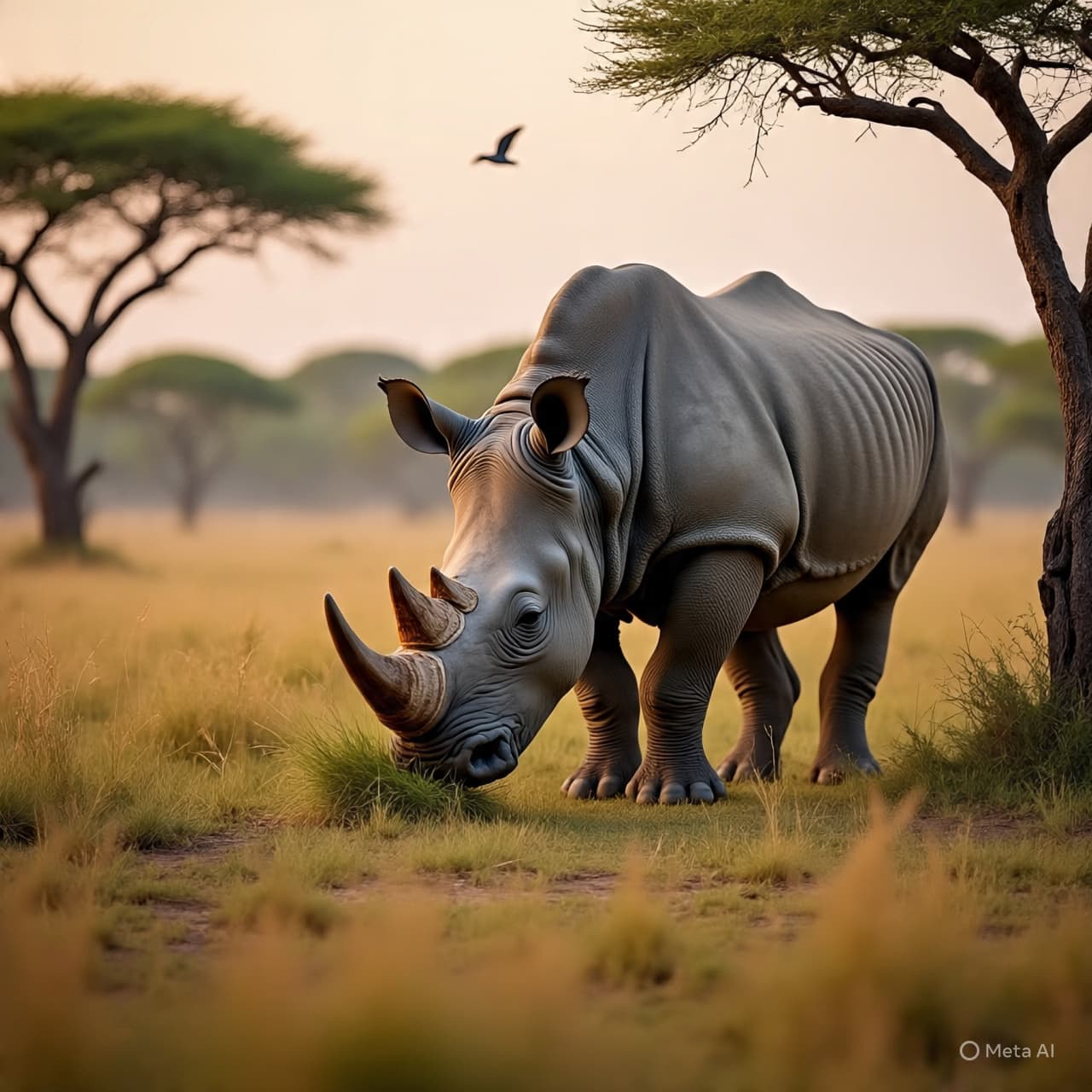
In the first phase, four southern white rhinos were carefully relocated from the Ziwa Rhino Sanctuary in Nakasongola District, where a successful breeding programme has steadily grown a once‑small founding population into a thriving herd. These animals are now being held in a temporary facility within Ajai while authorities closely monitor their health, behaviour and adaptation to the new environment — a crucial step before subsequent groups are introduced.
UWA Executive Director Dr. James Musinguzi described the translocation as a milestone in Uganda’s conservation journey, noting that it symbolises more than species recovery; it restores an important part of the nation’s natural heritage. The phased approach, officials explained, helps reduce risk by ensuring each set of rhinos acclimatises successfully before additional animals are brought in. Rangers and veterinary teams are tracking the rhinos’ movements, feeding, and overall welfare with round‑the‑clock vigilance.
The initiative also carries strong community engagement components. UWA has stepped up outreach in neighbouring areas through meetings, radio programmes and mobile sensitisation campaigns aimed at building local support for the project. By involving communities in the conservation process, officials hope residents will act as additional protectors of the rhinos rather than seeing them as distant, external concerns.
Ajai was chosen following feasibility studies that identified it as one of several suitable sites for rhino reintroduction alongside other protected areas such as Kidepo Valley and Murchison Falls National Parks. The reserve once hosted rhinos — including the now‑locally extinct northern white rhino — before they vanished in the late twentieth century due to poaching and insecurity.
The return of rhinos to Ajai follows decades of conservation effort that began earnestly in the early 2000s with the establishment of rhino breeding at Ziwa. Through careful protection and strategic expansion of the population, Uganda has created the conditions necessary for this historic reintroduction. Experts believe that, if successful, the programme will not only boost biodiversity but also broaden tourism opportunities in the West Nile region, bringing new economic benefits to local communities.
As the reserve’s first rhinos settle into their new home under vigilant care, conservationists and wildlife enthusiasts alike are watching closely. The phased translocation plan — which ultimately aims to see about 20 rhinos established at Ajai — represents a rare reconnection with history, transforming a landscape once emptied of its giants into a place of renewal and hope.
AI Image Disclaimer “Visuals are created with AI tools and are intended for conceptual representation, not real photographs.”
Sources UWA starts phased rhino translocation to Ajai Wildlife Reserve — Monitor (Uganda). Rhinos Return to Ajai: Historic Wildlife Comeback After Four Decades — The Elephant. Four rhinos successfully translocated to Ajai Wildlife Reserve — New Vision. Ajai Wildlife Reserve overview (habitat and reintroduction plans).
Published by Banx Network. This article is part of the Banx decentralized media programme, powered by the BXE token on the XRP Ledger.