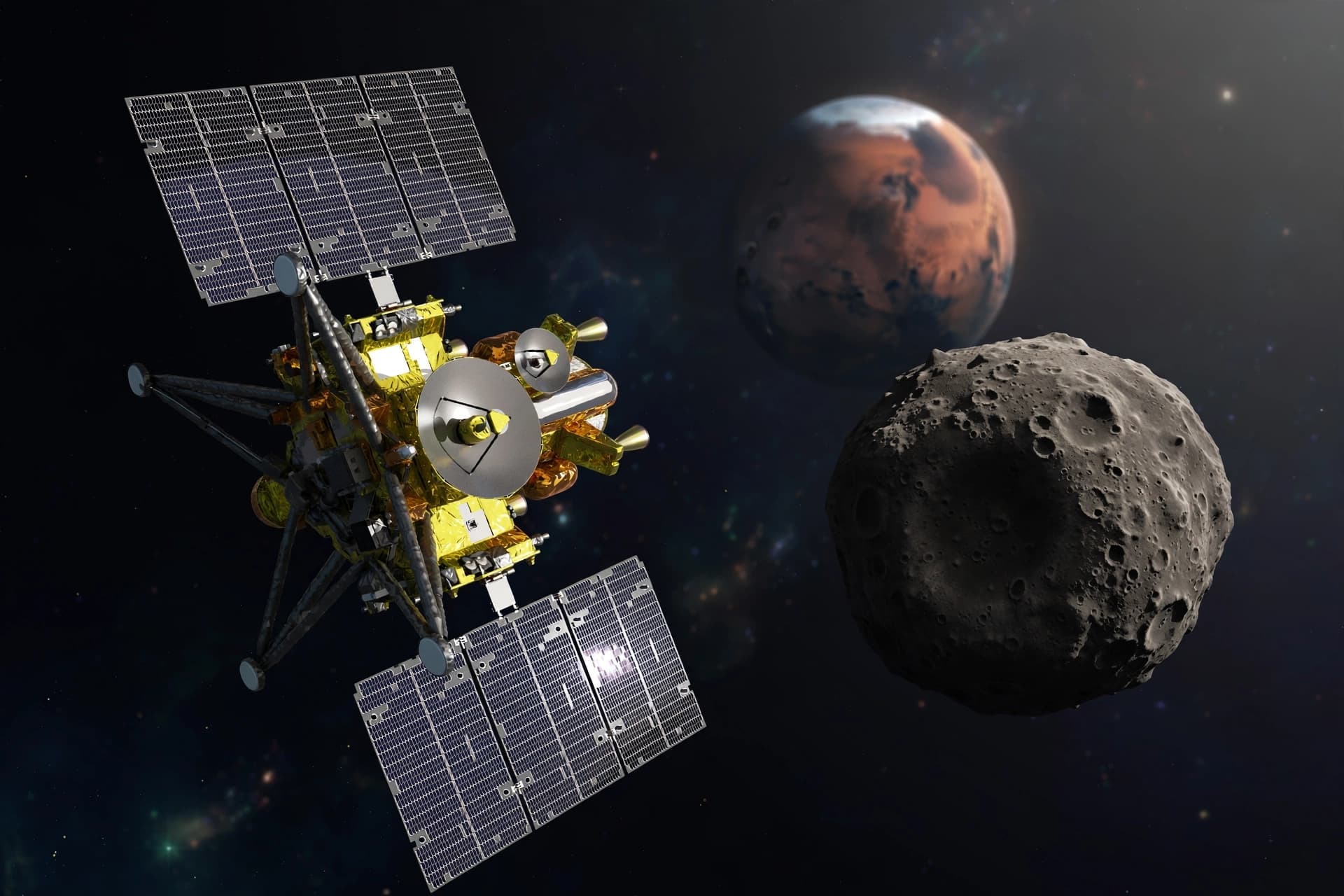
On Earth, auroras dance across the polar skies, a mesmerizing display of light caused by solar particles interacting with our magnetic field. Mars, lacking a global magnetic shield, was long thought to be devoid of such spectacles. However, NASA’s MAVEN (Mars Atmosphere and Volatile EvolutioN) spacecraft has revealed that the Red Planet does indeed have auroras, though they are quite different from our own. This discovery invites us to reimagine the Martian atmosphere, not as a dead void, but as a dynamic environment shaped by the sun’s relentless energy.
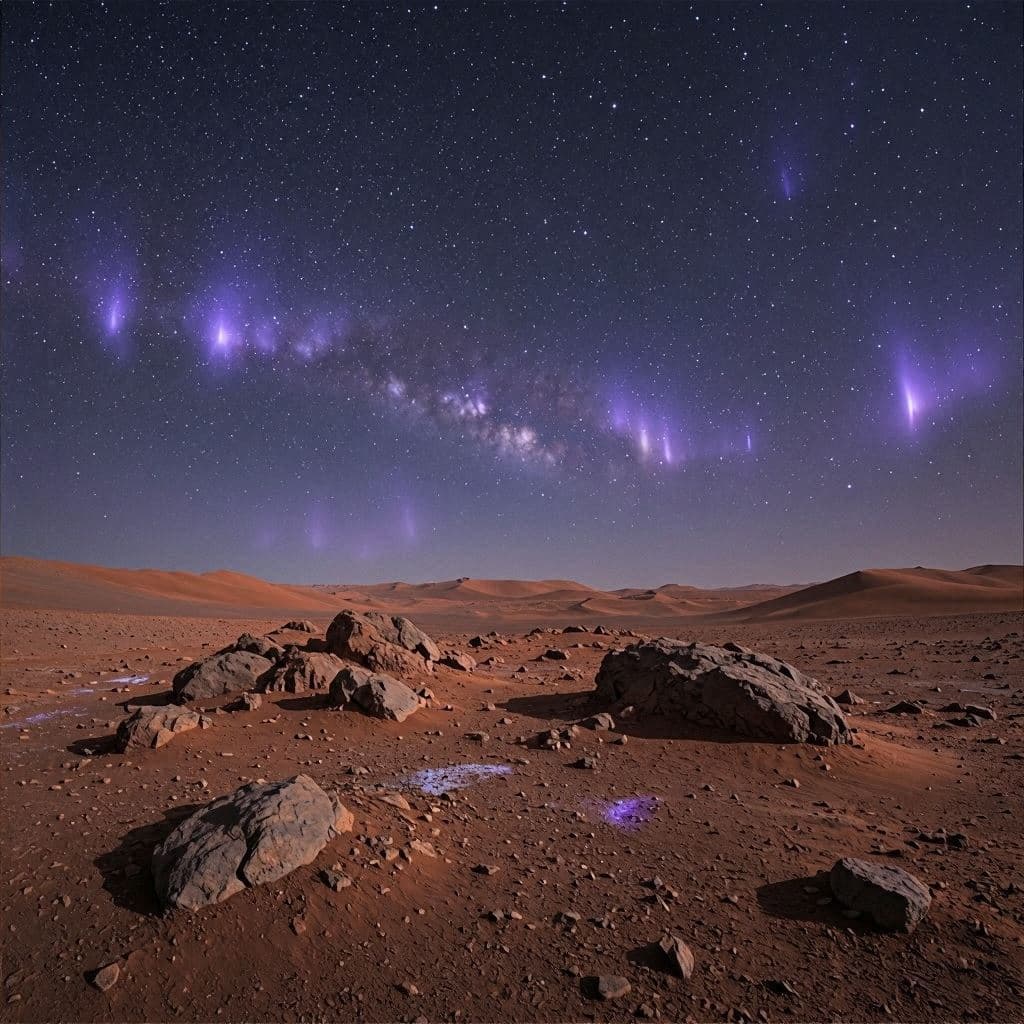
Body: Unlike Earth’s auroras, which are confined to the poles, Martian auroras can appear anywhere on the planet. They are caused by solar wind particles penetrating the thin atmosphere and interacting with localized magnetic fields in the crust. These "discrete auroras" are mostly visible in ultraviolet light, invisible to the human eye but clearly detected by MAVEN’s sensitive instruments. This phenomenon provides valuable clues about the interaction between the solar wind and the Martian atmosphere.
MAVEN’s observations have shown that these auroras are more frequent and intense during periods of high solar activity. By studying their behavior, scientists can better understand how Mars lost much of its atmosphere over billions of years. The solar wind strips away atmospheric gases, a process that the auroras help to illuminate. Each flash of light is a record of this ongoing erosion, offering insights into the planet’s climatic history.
The discovery also has implications for future human exploration. Understanding the radiation environment and atmospheric dynamics is crucial for ensuring the safety of astronauts. The auroras serve as indicators of solar storm intensity, helping to predict hazardous conditions. This knowledge will be vital for planning missions and designing protective habitats on the Martian surface.
Furthermore, the presence of auroras adds a layer of aesthetic wonder to the Martian landscape. While invisible to us now, imagine a future where visitors might wear special glasses to witness these ghostly lights dancing across the rusty sky. It transforms Mars from a barren rock into a place of subtle beauty and scientific intrigue, capturing the imagination of dreamers and explorers alike.
The MAVEN mission, launched in 2013, continues to exceed expectations. Its longevity allows for long-term monitoring of seasonal and solar cycles, providing a comprehensive dataset. This sustained observation is key to distinguishing between temporary fluctuations and long-term trends in the Martian atmosphere. The spacecraft remains a silent sentinel, watching over the Red Planet.
Comparing Martian auroras to those on Earth and other planets helps scientists build a universal model of planetary magnetospheres. It highlights the diversity of planetary environments and the various ways stars influence their neighbors. This comparative planetology enriches our understanding of the solar system as a whole.
Closing: NASA’s MAVEN spacecraft has unveiled the secret light shows of Mars, shedding new light on the planet’s atmospheric processes. These discoveries deepen our knowledge of Martian history and aid in preparing for future exploration. As we look to the stars, Mars reminds us that even the most desolate worlds hold hidden wonders.
AI Image Disclaimer: Images included here are AI-generated conceptual illustrations of Martian landscapes and auroral phenomena, designed to visualize the themes of space exploration and planetary science.
Sources: NASA Jet Propulsion Laboratory (JPL) University of Colorado Boulder Space.com Geophysical Research Letters
Published by Banx Network. This article is part of the Banx decentralized media programme, powered by the BXE token on the XRP Ledger.