
Key Highlights
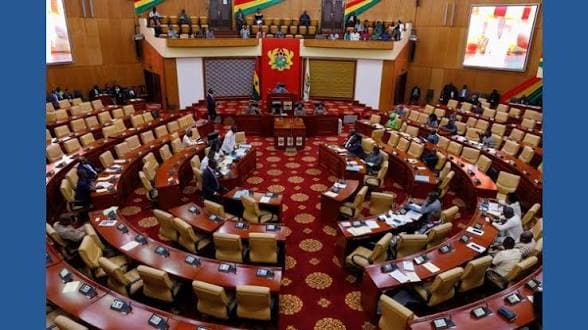
- Bill Passed:Ghana's parliament has passed the Human Sexual Rights and Family Values Bill.
- Harsh Penalties:The legislation imposes prison sentences of up to five years for promoting LGBTQ activities.
- International Condemnation:Global leaders, including the UN, have criticized the bill for violating human rights.
Ghana’s parliament has recently passed the Human Sexual Rights and Family Values Bill, a piece of legislation that could criminalize individuals identifying as gay, lesbian, bisexual, transgender, or any other non-heteronormative sexual orientation. This bill, which awaits the signature of President Nana Akufo-Addo to become law, has been described as one of the most repressive anti-LGBTQ measures in Africa.
The bill stipulates severe penalties, including prison sentences of up to three years for individuals who identify within the LGBTQ spectrum. Those found promoting or supporting LGBTQ activities could face even harsher sentences of up to five years. This legislation builds upon existing laws in Ghana that already criminalize same-sex relationships, further entrenching societal stigma against LGBTQ individuals.
International reactions to the bill have been swift and critical. Volker Türk, the United Nations High Commissioner for Human Rights, condemned the legislation, urging the Ghanaian government to reject it. He stated, "Consensual same-sex conduct should never be criminalized," highlighting that the proposed law expands criminal sanctions against LGBTQ persons solely based on their identity. This sentiment has been echoed by various human rights organizations and activists who warn of the potential for increased violence and discrimination.
The roots of this bill can be traced back to a growing wave of anti-LGBTQ sentiment in Ghana, particularly following the opening of the country’s first LGBTQ community center in 2021. Alex Kofi Donkor, director of LGBT+ Rights Ghana, has noted that this backlash has resulted in unprecedented levels of violence and discrimination against the community, raising alarms about the safety and rights of LGBTQ individuals in the country.
The U.S. State Department has also expressed deep concern regarding the implications of this bill, warning that it threatens constitutionally protected freedoms in Ghana. The potential implementation of this law could undermine Ghana’s longstanding tradition of tolerance and human rights advocacy, prompting fears about the broader implications for fundamental freedoms in the nation.
Civil society organizations have raised additional concerns, warning that if the bill is signed into law, it could jeopardize access to international aid. Financial support may be at risk due to violations of human rights, particularly concerning issues of sexual orientation and gender identity. This could have dire consequences for various sectors in Ghana that rely on international assistance.
The passage of this anti-LGBTQ bill underscores a troubling trajectory for human rights in Ghana, posing significant risks to those who identify as part of the LGBTQ community. It challenges the nation's commitment to international standards of human rights and equality, raising critical questions about the future of civil liberties in the country.
Published by Banx Network. This article is part of the Banx decentralized media programme, powered by the BXE token on the XRP Ledger.



