
Key Highlights
- Policy Change:Germany suspends military approval for men under 45 for long stays abroad.
- Security Concerns:The decision reflects a reassessment of military commitments amid global uncertainties.
- Implications:The suspension may affect Germany's ability to contribute to NATO missions requiring long-term troop deployments.
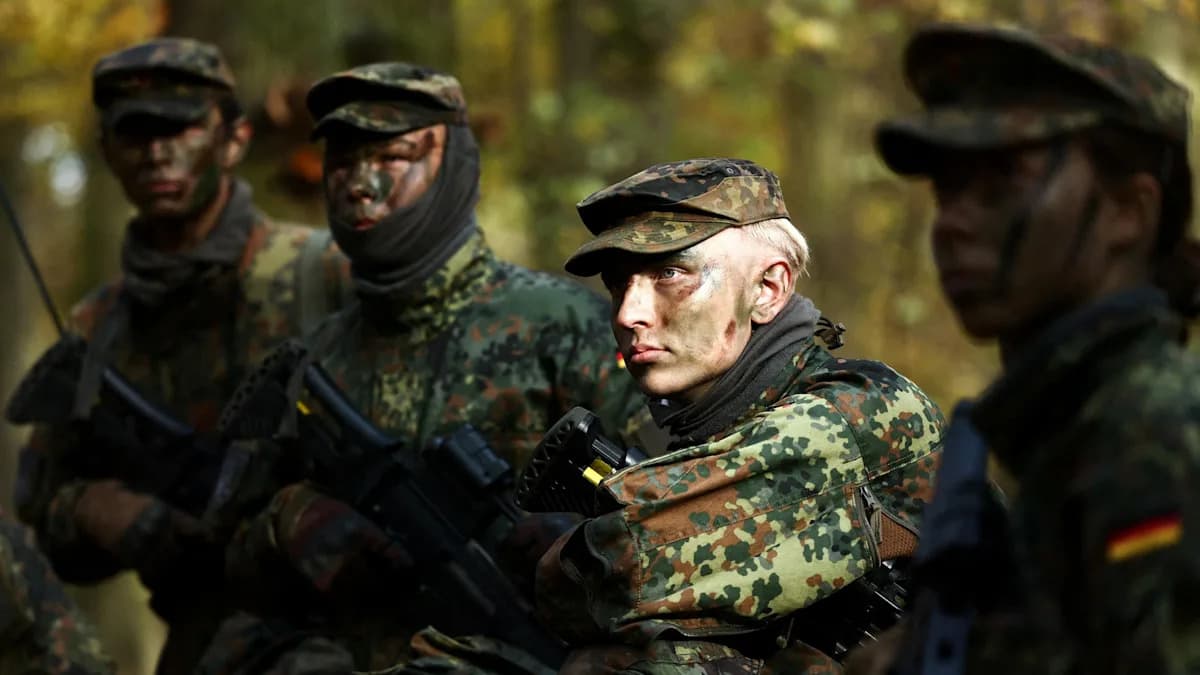
In a significant policy shift, Germany has suspended military approval for long-term stays abroad for men under the age of 45. This measure, aimed at addressing evolving security concerns, highlights the country's reassessment of its military commitments and personnel management. The decision was officially announced by the German Ministry of Defense and is expected to take effect immediately.
The suspension arises from a combination of factors, including the need to maintain a robust military presence at home amid growing global uncertainties. The German military, known as the Bundeswehr, has faced increasing pressure to ensure readiness and flexibility, particularly in light of ongoing conflicts and tensions in Europe. This policy change is seen as a response to the changing geopolitical landscape, where rapid mobilization and troop availability are crucial.
Personnel affected by this decision may face restrictions on their deployment, potentially limiting Germany’s ability to contribute to international missions that require long-term troop commitments. The Bundeswehr has been involved in various NATO operations and international peacekeeping missions, and this new policy could hinder its operational capabilities. Military analysts suggest that the suspension may lead to a reevaluation of Germany's role within NATO and its commitments to collective defense efforts.
Critics of the policy argue that it could hinder Germany’s commitment to NATO and collective defense efforts. They express concerns that limiting the ability of younger military personnel to travel abroad could undermine Germany's standing as a reliable ally. Conversely, supporters assert that it is essential for safeguarding the readiness of Germany's forces and ensuring that the military can respond effectively to domestic and international challenges. They argue that prioritizing national security and military readiness is crucial in today's volatile environment.
As the situation develops, discussions around this policy will likely continue, focusing on balancing operational needs with personnel welfare. The decision also raises broader questions about military strategy and the future roles of armed forces in a rapidly changing geopolitical environment. The German government is expected to engage in consultations with military leaders and NATO allies to assess the implications of this suspension.
Germany's approach illustrates a growing emphasis on national security and the need for strategic adaptability, reflecting the realities of today's complex global landscape. The military's response to this suspension and how it will affect troop deployment remains to be seen in the coming months. As the nation navigates these changes, the focus will be on ensuring that the Bundeswehr remains capable of fulfilling its obligations both at home and abroad.
Published by Banx Network. This article is part of the Banx decentralized media programme, powered by the BXE token on the XRP Ledger.



