
Key Highlights
- Merz Booed:Chancellor Friedrich Merz faced significant backlash during a speech at a trade union congress in Berlin.
- Economic Reforms:He emphasized the need for reforms in Germany's pension and healthcare systems amid rising inflation.
- Union Response:Attendees expressed their discontent with whistles and shouts, highlighting tensions over government policies.
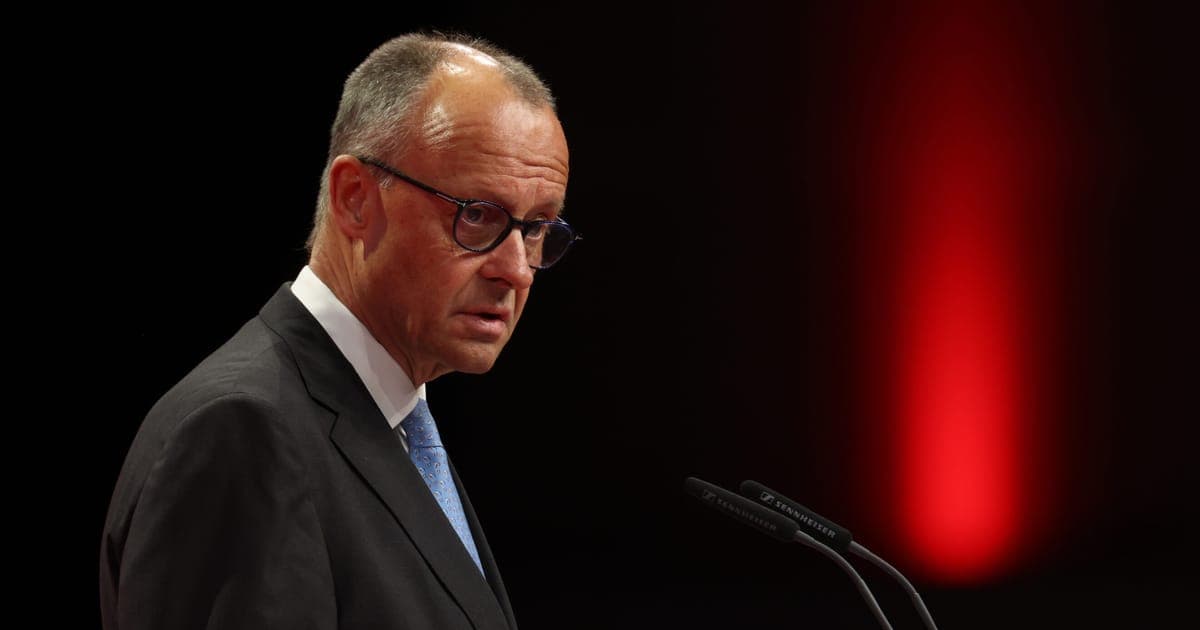
Chancellor Friedrich Merz encountered significant backlash while addressing a gathering of union representatives in Berlin. During his speech, he emphasized the necessity for reforms in Germany's pension and healthcare systems, citing the nation's pressing economic challenges, including rising inflation and job losses. His remarks came at a time when many citizens are feeling the strain of economic uncertainty.
Merz's call for Germany to "pull itself together" triggered immediate disapproval from attendees, with many union members responding with whistles, boos, and shouts of "Tax the rich!" This reaction underscored the palpable discontent among the audience, reflecting a broader disillusionment with current government policies. As the chancellor attempted to outline his vision for economic renewal, the atmosphere grew increasingly tense, illustrating the challenges he faces in garnering support for his agenda.
The Chairwoman of the German Trade Union Confederation (DGB), Yasmin Fahimi, reminded attendees that the DGB had taken steps to establish its own pension commission. This move highlights the growing tensions between union leaders and the government over proposed reforms. Merz's insistence on shared sacrifice among citizens did not resonate well with a crowd protective of workers' interests, especially amidst growing frustration over austerity measures and economic uncertainty.
With Germany's inflation rate rising to 2.9% in April and concerns about losing over 100,000 industrial jobs each year, Merz's call for economic changes could face further resistance. Unions and workers are demanding more immediate action to address their needs, and the incident at the congress has highlighted the urgent need for effective dialogue between the government and labor groups.
The backlash against Merz at the trade union congress serves as a critical reminder of the challenges facing the German government as it navigates a complex economic landscape. As public sentiment continues to shift, the ability of the government to engage constructively with unions and address the concerns of workers will be crucial in shaping the future of economic policy in Germany.
Published by Banx Network. This article is part of the Banx decentralized media programme, powered by the BXE token on the XRP Ledger.



