Economic recovery is rarely a straight road. A factory may receive more export orders while a service company waits for customers to approve new spending. Together, these different experiences can produce an economy that is growing, but not with the same confidence across every sector.
Germany’s private sector continued to expand in October 2026, although growth slowed compared with September, according to preliminary purchasing managers’ index data released by S&P Global on October 23. The composite PMI fell to 52.8 from 53.8 the previous month. A reading above 50 indicates expansion.
The overall result remained positive for a fourth consecutive month, but it came in below economists’ expectations of 53.3. The figures suggest that business activity was still moving forward, even as the pace of improvement became less pronounced.
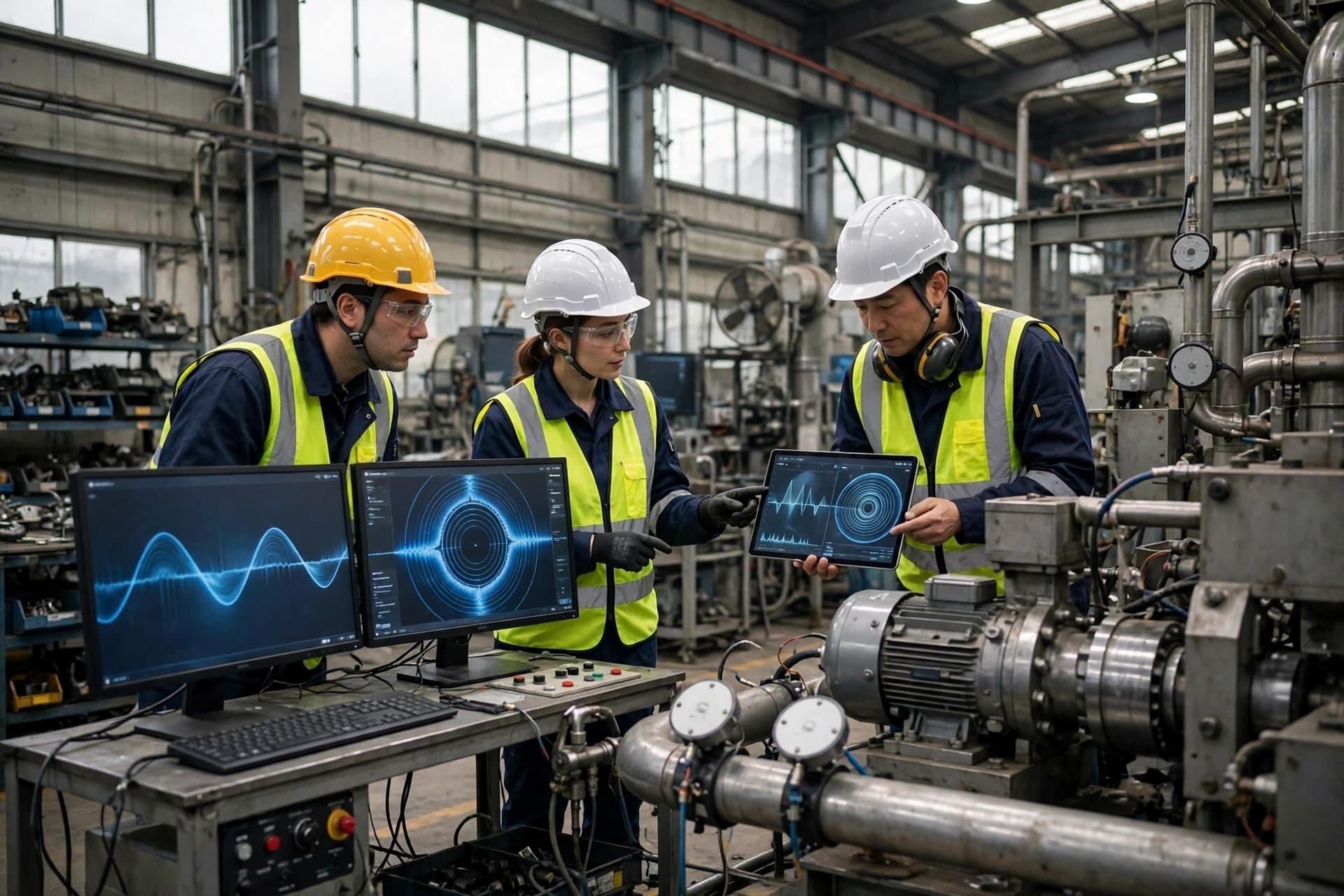
Manufacturing provided one of the more encouraging signals. Germany’s manufacturing PMI rose to 54.2, its highest level in two months, supported by export demand. The improvement indicated stronger activity in factories, although the growth of new manufacturing orders slowed to its weakest pace in three months.
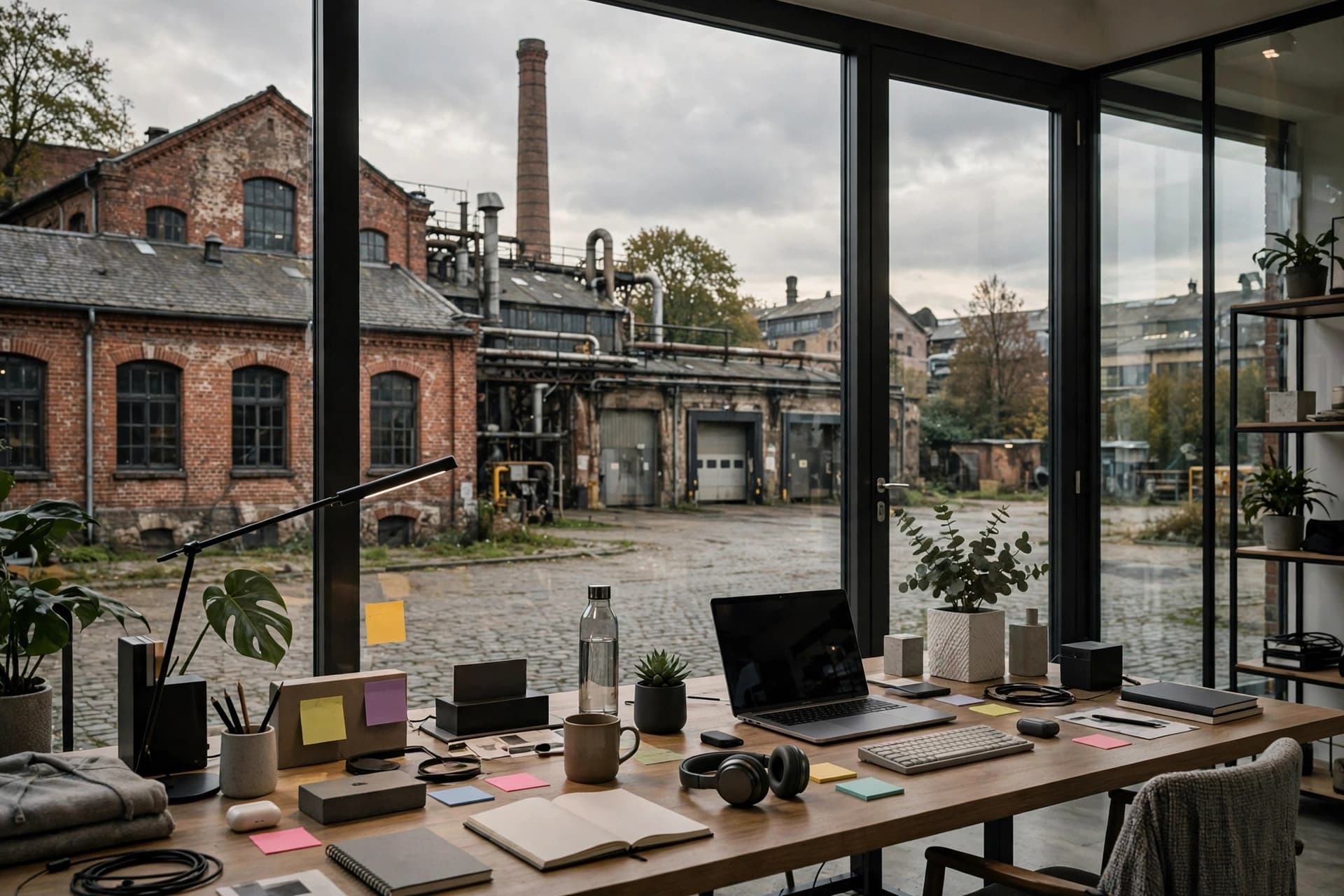
The services sector told a more cautious story. Its PMI declined to 51.7 from 52.9 in September. Businesses reported delayed customer decisions and tighter budgets, factors that can make companies more hesitant to commit to new services or larger projects.
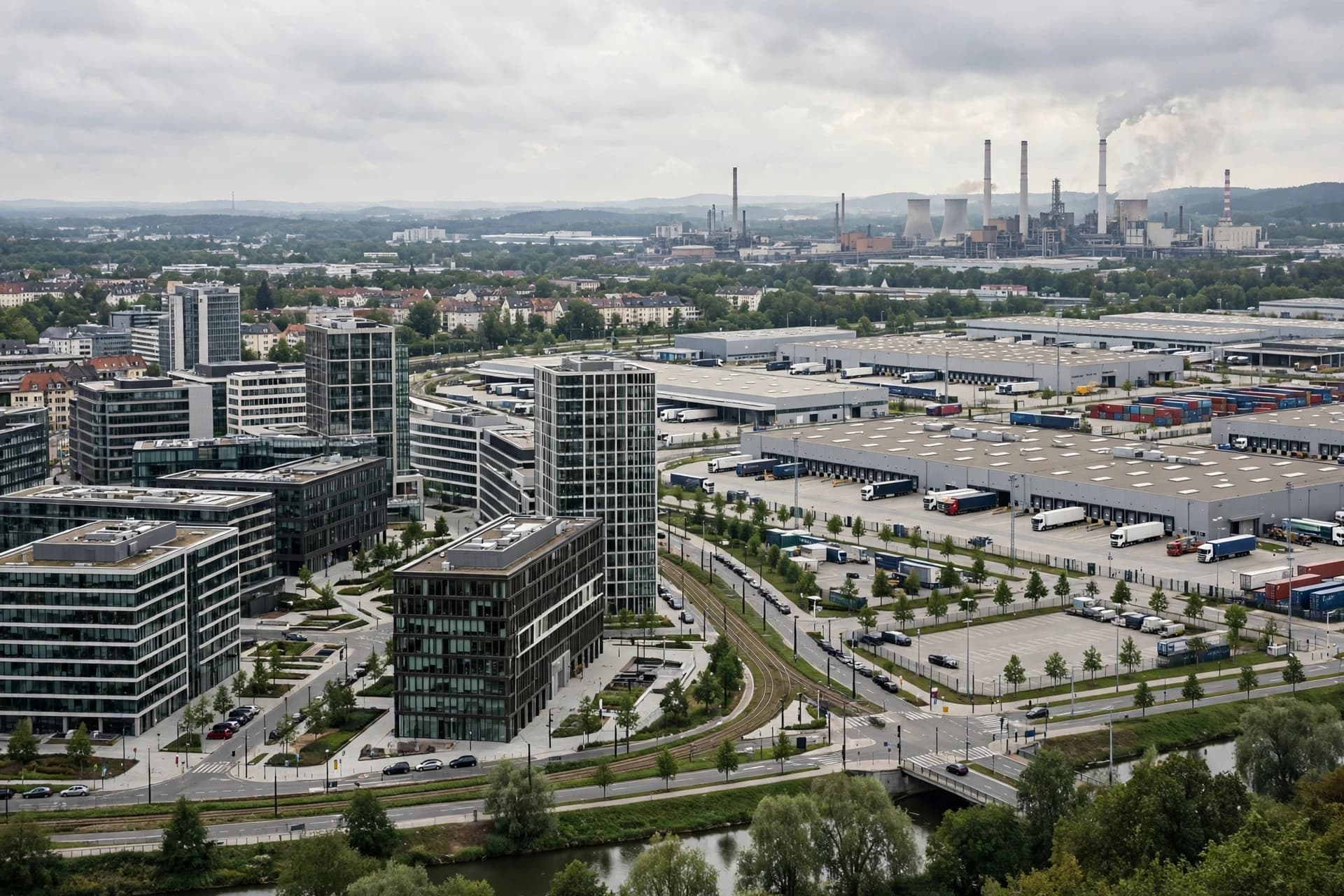
These differences matter because Germany’s economy depends on a wide range of industries. Manufacturing includes vehicles, machinery, chemicals, and industrial equipment, while services cover activities from business consulting and transport to hospitality and professional support. Strength in one area does not necessarily offset weakness in another.
The survey also suggested that price pressures were changing. Prices charged for goods and services rose at their slowest pace in seven months, although inflation remained above its long-term average. For businesses, slower increases in selling prices may offer some relief, but costs for inputs and operations can still weigh on margins.
Confidence about the coming year was mixed. Services companies reported their strongest optimism since February, while manufacturers’ expectations fell to their lowest level since July, partly because of concerns about rising input costs. This divergence suggests that current activity and expectations for the future are not always moving together.
Purchasing managers’ surveys are useful because they provide an early indication of business conditions, but they are not the same as final national economic growth figures. The preliminary October reading may be revised as more responses become available, and later data will help establish whether the slowdown continues.
For Germany, the latest survey offers neither a picture of broad contraction nor a clear signal of a strong acceleration. Instead, it shows a recovery that remains active but uneven, with manufacturing and services facing different pressures as businesses navigate demand, costs, and customer decisions.
### Image Disclaimer
The illustrations are conceptual depictions of Germany’s manufacturing and services sectors. They do not represent specific companies surveyed by S&P Global or actual scenes from the October PMI research.
### Sources
• Reuters
• S&P Global
Published by Banx Network. This article is part of the Banx decentralized media programme, powered by the BXE token on the XRP Ledger.