Key Highlights
- Private-sector activity in Germany expanded at a slower pace in October.
- Manufacturing PMI rose to 54.2, indicating continued growth.
- Services sector growth slowed, reflecting cautious consumer spending.
Germany's economic landscape is currently characterized by a mix of growth and caution, as indicated by the latest data from S&P Global. On October 23, Reuters reported that the Flash Composite Purchasing Managers’ Index (PMI) for Germany fell to 52.8 in October, down from 53.8 in September. This decline, while still above the neutral threshold of 50, suggests that the pace of economic expansion is beginning to ease. Economists had anticipated a slightly better performance, with expectations set at 53.3.
Despite the slowdown, this marks the fourth consecutive month of growth in the private sector, providing a glimmer of hope for Europe’s largest economy. However, the data also highlights ongoing concerns regarding industrial competitiveness and weak demand, which have been persistent challenges for Germany. The mixed signals from the PMI indicate that while growth continues, it is doing so at a more modest rate, raising questions about the sustainability of this recovery.
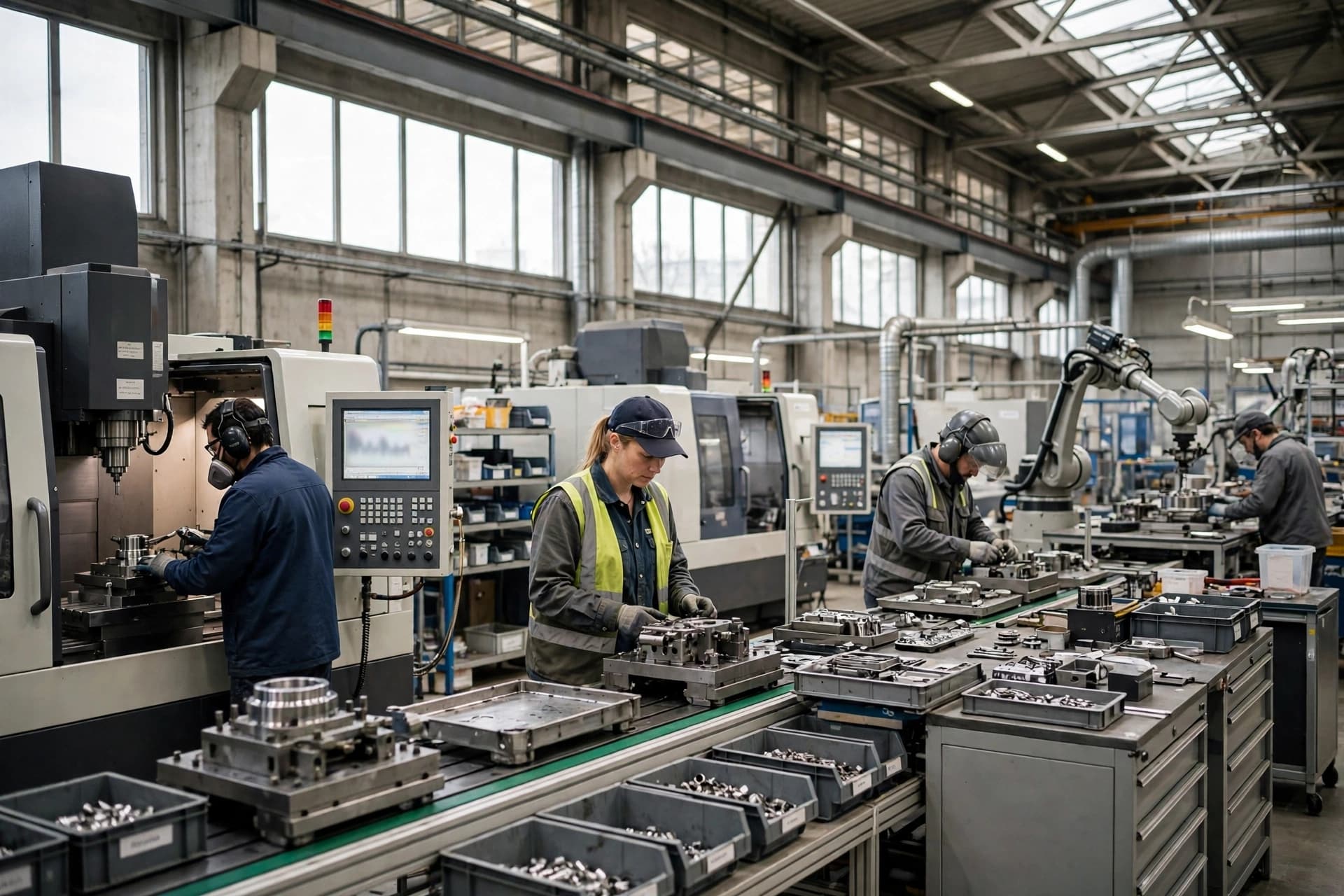
Manufacturing has emerged as a bright spot in the current economic climate. The manufacturing PMI increased to 54.2, its highest level in two months, reflecting a continued rise in factory production. This growth is partly fueled by strong export demand, suggesting that some sectors are managing to secure orders despite the broader economic uncertainties. The resilience of manufacturing is crucial, as it plays a significant role in Germany's overall economic health.
In contrast, the services sector is experiencing a more subdued environment. The services activity index dropped to 51.7 from 52.9, indicating that while growth persists, it is at a slower pace. Respondents in the services sector have noted delays in customer decision-making and tighter budgets, which complicate their ability to forecast demand and manage operations effectively. This divergence between manufacturing and services illustrates the complexities of the current economic landscape, where different sectors are responding variably to external pressures.
New business growth across the private sector has also slowed, with manufacturing order growth reaching a three-month low. Although export sales continue to provide some support, the overall demand in the services sector remains tepid. This contrast underscores the challenges faced by businesses as they navigate a landscape marked by cautious consumer behavior and fluctuating demand.
Price dynamics further complicate the economic picture. The rate of price increases for goods and services has eased to its lowest level in seven months, yet remains above the long-term average. This indicates that while inflationary pressures may be moderating, they have not entirely dissipated. Companies are tasked with balancing input costs while ensuring their offerings remain attractive to consumers who are increasingly cautious about spending.
Looking ahead, business confidence remains generally positive, although it varies significantly by sector. Services firms reported their highest confidence levels since February, while manufacturers expressed concerns, with expectations dropping to their lowest since July. This disparity highlights the importance of monitoring both current activity and future expectations, as businesses may be busy today but uncertain about the months to come. The upcoming economic data will be crucial in determining whether the current balance of growth can be maintained as the year draws to a close.
Published by Banx Network. This article is part of the Banx decentralized media programme, powered by the BXE token on the XRP Ledger.