
Key Highlights
- Excess Deaths:Germany recorded approximately 5,000 excess deaths during the late-June heat wave.
- Vulnerable Population:The spike in mortality primarily affected older residents, who are more susceptible to heat stress.
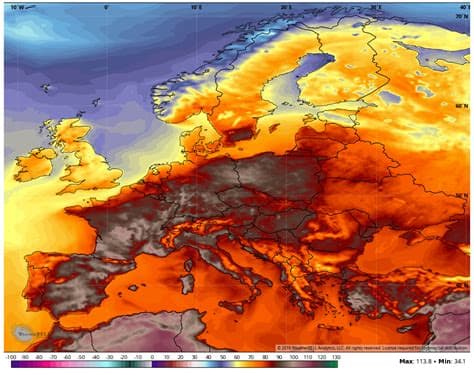
- European Trends:Similar patterns of increased mortality were observed across Europe amid record high temperatures.
Germany has reported approximately 5,000 excess deaths attributed to the extreme heat wave that struck in late June 2026. This figure represents the number of deaths exceeding the expected mortality rate during this period, as health authorities noted a significant rise in fatalities linked to the prolonged high temperatures. The German health agency has emphasized that these figures are preliminary and may be adjusted as more data becomes available.
The heat wave, which brought record temperatures across the country, disproportionately affected older adults. Health experts have pointed out that this demographic is particularly vulnerable to heat-related illnesses, especially in environments where homes and workplaces lack adequate cooling systems. The combination of high daytime temperatures and warm nights created conditions that were difficult for many to endure, leading to a concerning increase in mortality rates.
In addition to Germany, other European nations have reported similar trends, with several countries experiencing unprecedented heat levels. Reports indicate that nations such as France, Spain, and Italy also logged significant increases in excess deaths during the same period. This alarming trend underscores the broader implications of climate change, as extreme weather events become more frequent and severe.
Health authorities have reiterated the importance of implementing rapid protective measures during heat waves to safeguard vulnerable populations. Recommendations include increasing public awareness about the risks of heat stress, ensuring access to cooling centers, and providing resources for those who may be isolated or unable to cope with extreme temperatures.
As the climate crisis continues to unfold, the rising incidence of heat-related deaths serves as a stark reminder of the urgent need for comprehensive strategies to address the health impacts of climate change. Experts are calling for enhanced public health initiatives and infrastructure improvements to better prepare for future heat waves and protect those most at risk.
The data regarding excess deaths during the late-June heat wave in Germany highlights a critical public health issue that requires immediate attention and action. As the country and the world grapple with the realities of climate change, the health implications of extreme weather events must remain a priority for policymakers and health officials alike.
Published by Banx Network. This article is part of the Banx decentralized media programme, powered by the BXE token on the XRP Ledger.



