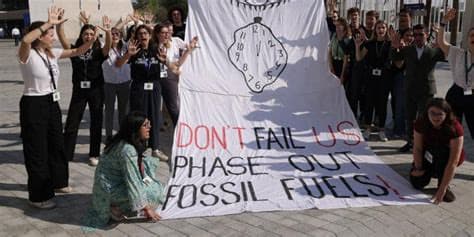
Germany has pledged for the first time to phase out fossil fuels by 2045, establishing a long-term target for its climate strategy. The commitment is expected to shape energy investment, transport policy, and industrial planning over the coming decades. Officials will need to expand renewable power, modernize electricity networks, and support sectors that remain dependent on coal, oil, and gas. The target may strengthen Germany’s climate credentials, but implementation could face political resistance, economic costs, and concerns about energy security.
Published by Banx Network. This article is part of the Banx decentralized media programme, powered by the BXE token on the XRP Ledger.