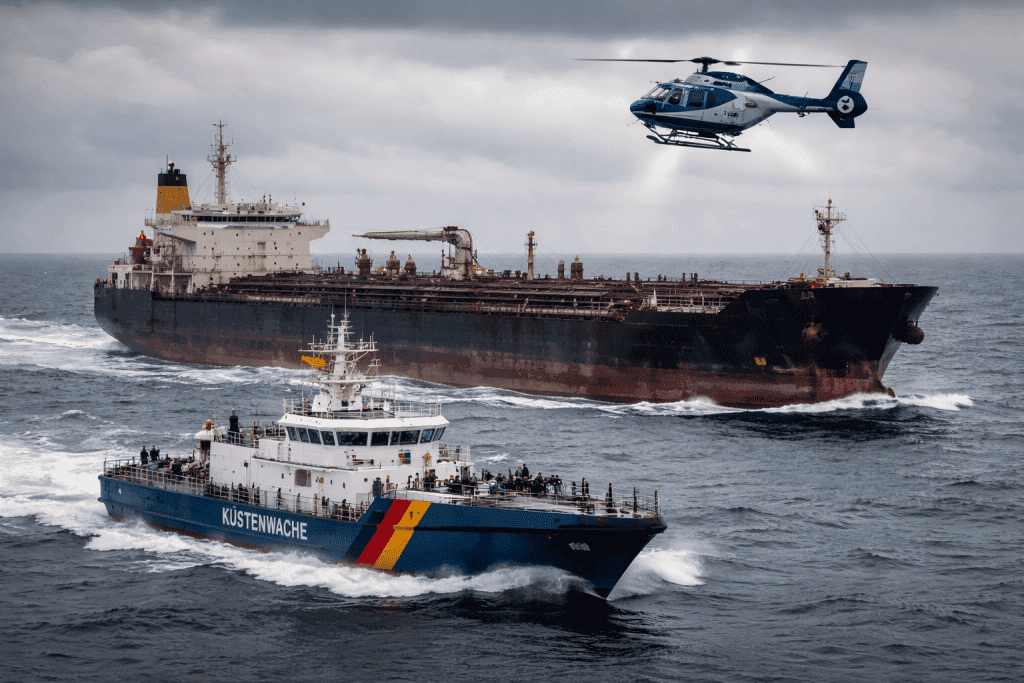
Germany has taken the unprecedented step of refusing entry to the tanker 'Tavian,' linked to the shadow fleet suspected of circumventing sanctions and engaging in clandestine maritime operations. The decision reflects heightened scrutiny of vessels operating in European waters amid ongoing geopolitical tensions.
The 'Tavian' is believed to be part of a network of tankers that operate outside conventional trading routes, attempting to evade sanctions imposed on specific nations. German officials stated that allowing the vessel into the Baltic Sea could pose a risk to regional security and undermine international efforts to enforce maritime regulations.
"This decision is a clear message that Germany is committed to upholding international law and maintaining security in our waters," remarked a government spokesperson. "We take any potential threats seriously and will continue to monitor maritime activities closely."
The move has drawn attention from maritime experts and analysts, who suggest that it may set a precedent for how European nations respond to vessels linked to illicit activities. The action signals a collective effort to address issues of accountability in maritime trade and enhance cooperation among nations facing similar challenges.
As tensions continue in various global hotspots, the denial of access to the 'Tavian' emphasizes the need for vigilance and cooperation in maintaining maritime security. This decision may also spur discussions on enhancing policies regarding shadow fleets and strengthening sanctions enforcement across Europe.
As investigations into the vessel's activities proceed, Germany's action could inspire other nations to adopt similar stances, reshaping the maritime landscape in the Baltic region and beyond.
Published by Banx Network. This article is part of the Banx decentralized media programme, powered by the BXE token on the XRP Ledger.