
Key Highlights
- Approval Granted:German authorities have approved a controversial nuclear project involving a French-Russian joint venture.
- Location:The project will take place at a plant in Lingen, Lower Saxony.
- Security Concerns:Critics warn of potential risks related to espionage and sabotage due to the involvement of Rosatom.
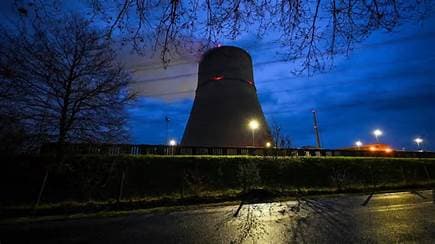
Germany has recently approved a contentious nuclear project that involves a partnership between French and Russian entities. The approval allows a subsidiary of Framatome, a French company, to produce fuel rods at a facility located in Lingen, Lower Saxony. This decision has sparked significant debate and concern among various stakeholders, particularly regarding the implications of collaborating with Russian firms amid ongoing geopolitical tensions.
The joint venture, which includes the Russian state-owned company Rosatom, aims to manufacture fuel rods specifically designed for Russian-designed nuclear reactors. This collaboration has raised eyebrows, especially considering that Rosatom has faced sanctions from the European Union in the past. Critics argue that the close ties with a sanctioned entity could pose serious risks, including potential espionage and sabotage, particularly in light of the current security climate in Europe.
In response to these concerns, the authorities in Lower Saxony have placed restrictions on the number of Russian staff allowed access to the site. This measure is intended to mitigate some of the risks associated with the project. However, the approval remains contingent on ongoing assessments of security risks, meaning that the situation could be revisited should new threats emerge.
The decision to greenlight this project reflects a complex balancing act for Germany, which is navigating its energy needs while also addressing security concerns. The German government has been under pressure to ensure energy security, especially in the wake of the energy crisis exacerbated by the conflict in Ukraine. As such, this approval may be seen as a necessary step to maintain energy supply, despite the potential risks involved.
The implications of this project extend beyond Germany, as it also affects relations within the EU and with other international partners. The involvement of a Russian company in a critical energy sector raises questions about the EU's stance on energy independence and security. As the situation develops, it will be crucial for stakeholders to monitor the project's progress and any emerging security concerns that may arise.
In conclusion, while the approval of this French-Russian nuclear project may address immediate energy needs, it also highlights the ongoing complexities and challenges faced by European nations in balancing energy security with geopolitical realities. The scrutiny surrounding this project is likely to continue as stakeholders assess its broader implications for regional stability and security.
Published by Banx Network. This article is part of the Banx decentralized media programme, powered by the BXE token on the XRP Ledger.



