
Key Highlights
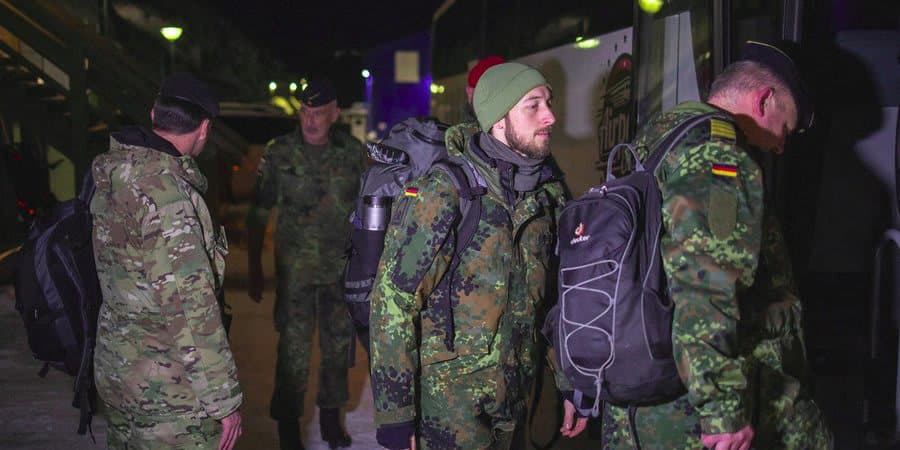
- Early Withdrawal:German military personnel have left Greenland ahead of schedule.
- NATO Implications:The withdrawal raises concerns about NATO's operational readiness in the Arctic.
- Ongoing Speculation:The reasons for the departure remain unclear, prompting various theories.
The German military's unexpected early departure from Greenland has sparked significant speculation and concern regarding the future of NATO operations in the Arctic. Reports indicate that personnel left the region ahead of their scheduled timeline, but the reasons for this withdrawal have not been officially clarified. This lack of information has led to various theories about the potential implications for military operations and international relations in this strategically important area.
The presence of German troops in Greenland was part of NATO's broader strategy to enhance defense capabilities in the Arctic, an area that has gained increasing attention due to climate change and the competition for natural resources. The Arctic's geopolitical landscape is evolving, with nations vying for influence and access to its untapped resources. The sudden exit of German forces raises questions about the stability of ongoing missions and the future of military collaboration among NATO allies in the region.
Analysts are closely monitoring the situation, as the withdrawal could have significant implications for NATO's operational readiness. The Arctic is becoming a focal point of geopolitical tensions, particularly with nations like Russia and China increasing their military presence and activities in the area. The departure of German troops may signal a shift in NATO's strategy or operational capabilities, which could affect collective defense efforts in the Arctic.
While no official statements have been released to explain the circumstances surrounding the withdrawal, the situation remains fluid. Observers of Arctic security and NATO allies are keen to understand the rationale behind this move and its potential impact on international relations. The implications of this withdrawal could extend beyond military readiness, influencing diplomatic relations and strategic partnerships in the region.
As investigations continue and more information becomes available, the international community will be watching closely to see how this development unfolds and what it means for the future of military operations in the Arctic. The situation underscores the complexities of Arctic security and the need for continued collaboration among NATO allies to address emerging challenges in this vital region.
Published by Banx Network. This article is part of the Banx decentralized media programme, powered by the BXE token on the XRP Ledger.



