
Key Highlights
- Life Sentence:A German doctor has been sentenced to life imprisonment for the murder of 15 patients.
- Method of Killing:The doctor administered lethal drugs without consent, leading to rapid deaths.
- Ongoing Investigations:Authorities are reviewing additional suspicious patient deaths beyond the 15 confirmed cases.
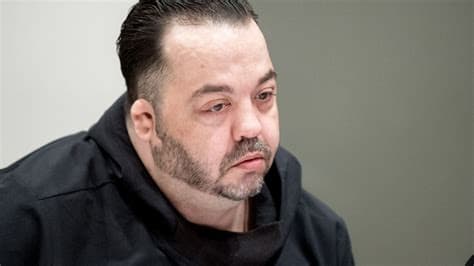
A Berlin court has sentenced a 40-year-old doctor to life imprisonment for the murder of 15 patients under his care. The case has drawn significant attention due to the nature of the crimes, which involved administering a combination of drugs—specifically an anesthetic and a muscle relaxant—without the patients' knowledge or consent. Prosecutors argued that these drugs caused death within minutes by paralyzing the respiratory muscles, leading to a swift and tragic end for the victims.
The patients, whose ages ranged from 25 to 94, primarily died in their homes, and the alleged murders took place between September 2021 and July 2024. The court proceedings revealed disturbing details about the doctor's actions, including claims that he attempted to cover up the killings by starting fires in the patients' apartments after administering the lethal injections. This tactic was reportedly aimed at making the deaths appear natural or accidental, further complicating the investigation.
During the trial, prosecutors sought a life sentence and a lifelong professional ban for the doctor, emphasizing the particularly severe nature of his guilt. The court agreed with the prosecution's assessment, resulting in the life sentence handed down to the defendant. The case has raised serious ethical questions about the responsibilities of medical professionals and the safeguards in place to protect vulnerable patients in palliative care.
In addition to the 15 confirmed murders, investigators have indicated that they are reviewing additional suspicious patient deaths that may be linked to the doctor. This ongoing investigation highlights the potential for more victims and raises concerns about the oversight of medical practices in palliative care settings. The implications of this case extend beyond the courtroom, prompting discussions about the need for stricter regulations and monitoring of healthcare providers to prevent similar tragedies in the future.
As the legal proceedings conclude, the case serves as a grim reminder of the vulnerabilities faced by patients in palliative care and the critical importance of ethical medical practices. The community and healthcare professionals alike are left to grapple with the ramifications of this shocking betrayal of trust.
Published by Banx Network. This article is part of the Banx decentralized media programme, powered by the BXE token on the XRP Ledger.



