
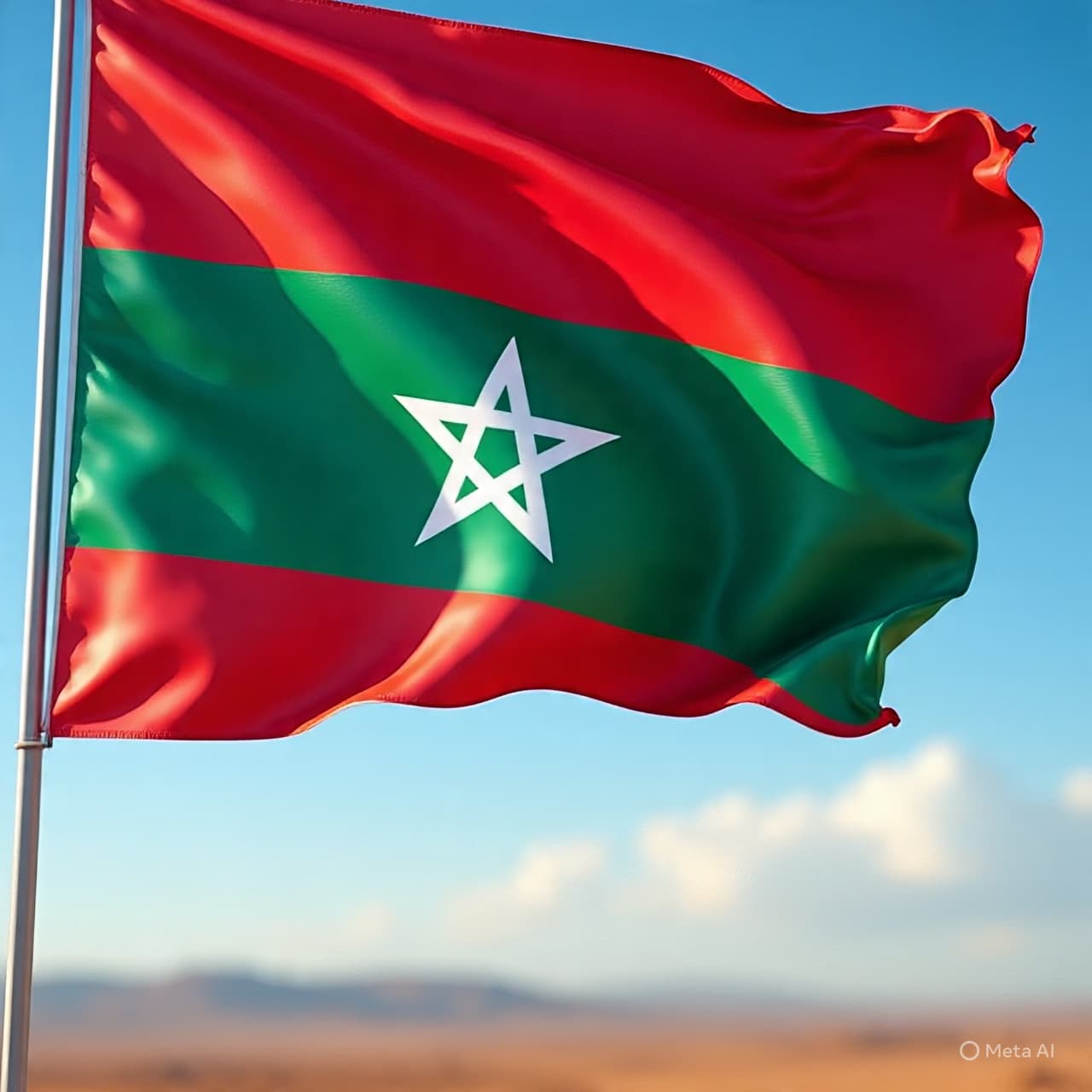
Key Highlights
- Morocco participates in the 61st UN Human Rights Council session.
- The session addresses global human rights issues including migration and climate.
- Morocco emphasizes reforms in social protection and gender equality.
Morocco's presence at the 61st session of the United Nations Human Rights Council in Geneva marks a significant moment in its diplomatic engagement. As the session unfolds on the shores of Lake Geneva, representatives from various nations gather to discuss pressing human rights issues, including conflict, migration, and climate vulnerability. This gathering not only serves as a platform for dialogue but also reflects the evolving landscape of international law and human rights advocacy.
In recent years, Morocco has actively sought to enhance its role in multilateral forums, showcasing its commitment to reforms in social protection, gender equality, and judicial modernization. The Moroccan government has highlighted initiatives aimed at expanding health coverage and promoting economic inclusion, which are crucial for addressing the socio-economic challenges faced by its citizens. However, despite these advancements, concerns persist regarding freedom of the press and civic space, which are frequently raised by international organizations and advocacy groups during the Council's discussions.
The structure of the Human Rights Council sessions is meticulously organized, featuring high-level segments and interactive dialogues with special rapporteurs. Each member state's human rights record is scrutinized through the Universal Periodic Review process, allowing for a comprehensive examination of their commitments and challenges. Morocco's delegation is poised to articulate its positions on regional issues, particularly those affecting North Africa and the Sahel, while also addressing thematic concerns such as migration governance and climate resilience.
Morocco's approach emphasizes the interconnectedness of development and human rights, framing economic stability and social investment as essential components of broader freedoms. This perspective is crucial as the Council navigates the complexities of global human rights discourse, where the aspirations for universal dignity often collide with the political realities faced by member states.
As the session progresses, the dynamics within the Council will reflect the intricate balance of multilateral diplomacy. Alliances may shift, and language will be carefully calibrated to foster consensus among diverse viewpoints. The outcomes of these discussions—resolutions adopted, statements recorded, and commitments reiterated—will contribute to the official record but will also influence public conversations and policy debates beyond the confines of the Palais des Nations.
In the weeks to come, as the session concludes, the flags outside the Palais will continue to flutter in the alpine breeze, symbolizing the ongoing dialogue surrounding human rights. Morocco's participation in this forum will not only shape its international standing but will also play a role in the broader narrative of how nations engage with the principles of human rights on a global stage. The implications of this engagement will resonate far beyond Geneva, impacting both domestic policies and international relations.
Published by Banx Network. This article is part of the Banx decentralized media programme, powered by the BXE token on the XRP Ledger.



