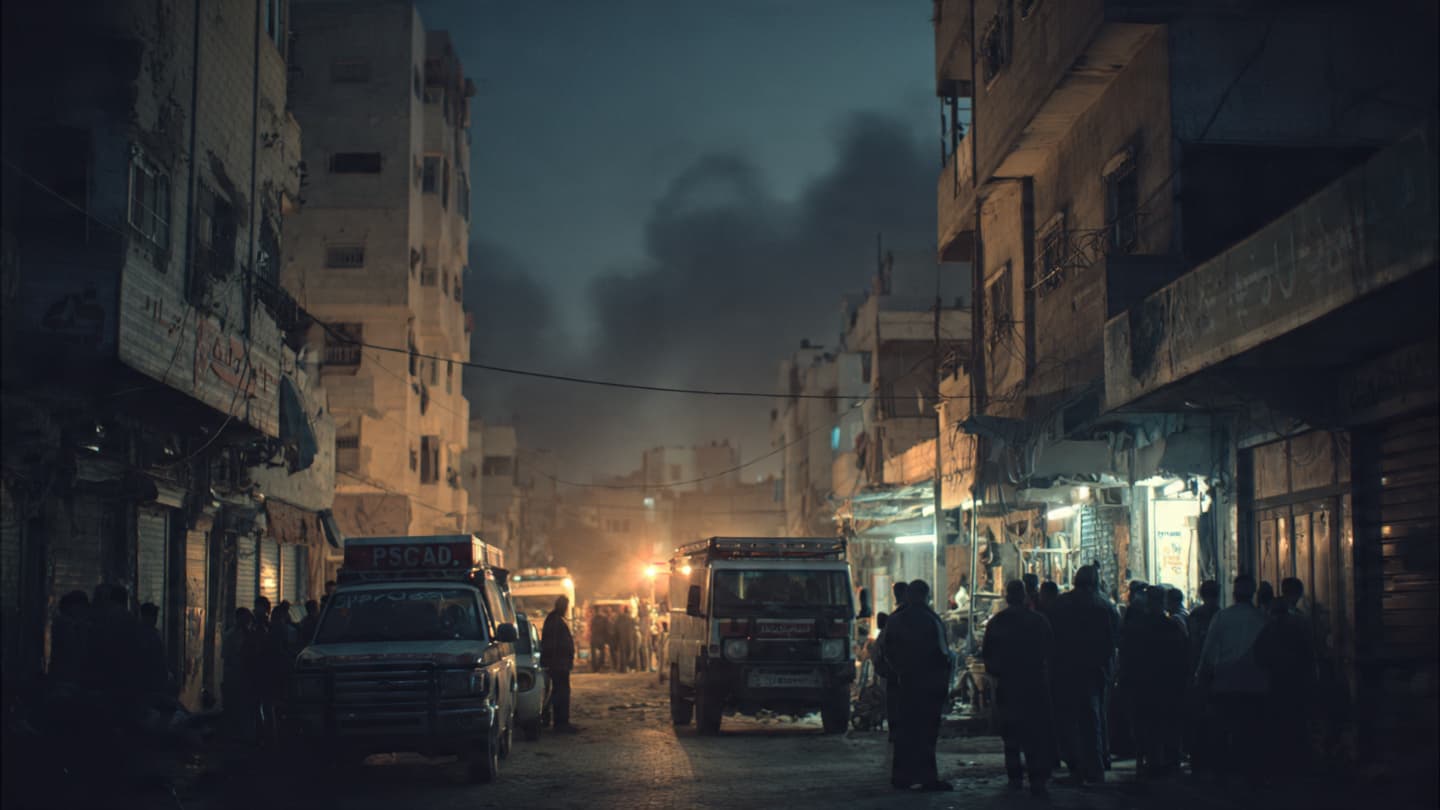
The streets of Gaza have long carried the rhythm of uncertainty, where ordinary life often moves beside the distant echo of conflict. In recent days, that fragile rhythm was interrupted once more after reports emerged that Israel launched a strike targeting a senior Hamas military figure. The development arrived at a moment when diplomatic conversations surrounding a possible ceasefire had begun to gather cautious international attention, making the renewed violence feel especially heavy across the region.
The reported strike quickly became a focal point for regional observers and foreign governments alike. Israeli officials described the operation as part of ongoing security measures directed at militant leadership structures, while Hamas-linked sources indicated that several casualties occurred during the attack. The exact scale of the damage remained under review as rescue operations continued through affected neighborhoods.
For civilians living in Gaza, each escalation often extends beyond military headlines. Families already navigating shortages of electricity, fuel, and medical supplies once again found themselves listening for aircraft overhead and checking messages from relatives through unstable communications networks. In many areas, daily routines have gradually become shaped by uncertainty rather than predictability.
Diplomatic mediators from countries including Egypt and Qatar reportedly continued efforts to maintain communication channels despite the renewed violence. International officials warned that any interruption to ceasefire discussions could complicate humanitarian coordination and delay broader negotiations involving hostage exchanges and civilian protections. The language used by mediators remained careful, reflecting how delicate the political atmosphere has become.
Across Israel, reactions also reflected a mixture of concern and tension. Security officials maintained that military operations remain tied to preventing future attacks, while some families connected to hostages held in Gaza expressed anxiety that prolonged fighting could reduce opportunities for negotiated releases. Public discussion within Israel has increasingly balanced questions of security with growing debate over long-term regional stability.
The international response arrived swiftly. The United Nations and several Western governments called for restraint and urged all parties to avoid actions that might deepen civilian suffering. Humanitarian organizations emphasized that repeated escalations continue to place immense pressure on already strained medical and aid systems throughout Gaza.
Meanwhile, analysts noted that moments of negotiation in long-running conflicts are often accompanied by renewed military calculations. History has repeatedly shown that diplomacy and conflict sometimes move in parallel rather than separately, especially in deeply rooted disputes where mistrust remains high. The latest developments appeared to reinforce that difficult reality.
Beyond the immediate political consequences, the emotional fatigue across the region remains difficult to ignore. For many families on both sides of the conflict, the passing months have carried repeated cycles of fear, grief, and interrupted hopes for stability. Each new headline arrives not in isolation, but layered upon years of accumulated tension and loss.
As international mediators continue their efforts, attention now turns toward whether ceasefire discussions can survive another period of escalation. Officials from several countries have indicated that diplomatic engagement remains active despite the deteriorating atmosphere surrounding recent events.
AI Image Disclaimer: Some accompanying visuals for this article may be generated using artificial intelligence for illustrative newsroom presentation purposes.
Sources: Reuters, Associated Press, BBC News, Al Jazeera, The Guardian
Published by Banx Network. This article is part of the Banx decentralized media programme, powered by the BXE token on the XRP Ledger.