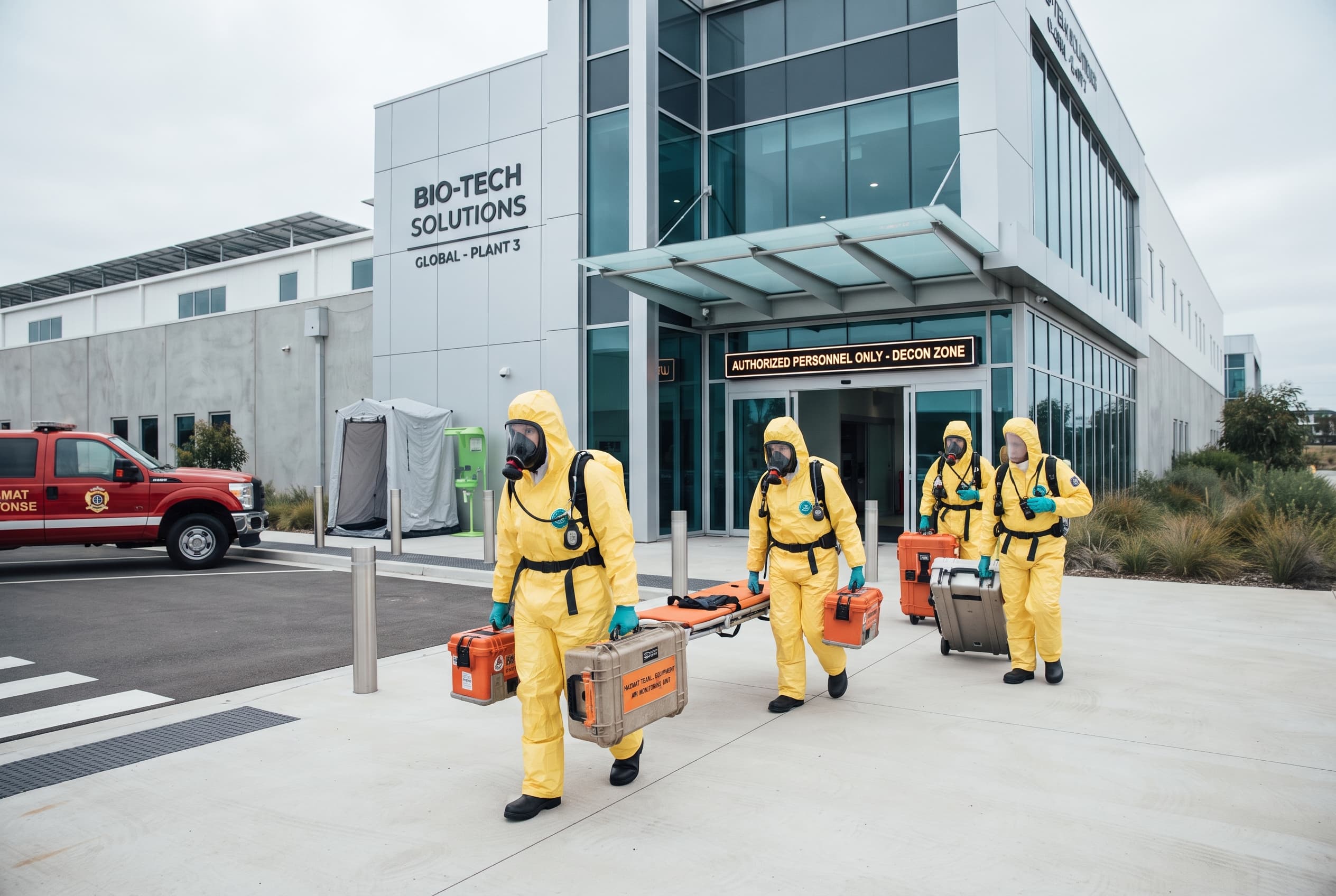
In communities across the globe, a once-distant threat is creeping back into the open: whooping cough, or pertussis, is surging again. Health officials are sounding the alarm, warning that the convergence of waning immunity and slipping vaccination rates is allowing this old foe to reestablish itself—especially in the most vulnerable: infants too young to be fully vaccinated.
In the United States, the numbers are stark. According to recent CDC data, whooping cough cases have more than doubled in 2025 compared to the same period last year. Some states are being hit extremely hard: Washington State, for example, reported 2,261 confirmed and probable pertussis cases in 2024—roughly 25 times more than in 2023. Similarly, California saw a dramatic jump from 644 cases in 2023 to 2,753 in 2024.
Experts trace part of the cause to vaccine coverage slipping in the years following the COVID-19 pandemic. In the U.S., kindergarten pertussis vaccine rates dropped from about 94.9% before the pandemic to 92.3% in 2023–2024, while non-medical exemptions have increased. At the same time, immunity provided by the vaccine is not permanent: the acellular pertussis vaccine, which replaced older versions in the 1990s because it causes fewer side effects, tends to offer shorter-lived protection.
Across Europe, the picture is similar. WHO and UNICEF data show that many countries’ coverage for the diphtheria/tetanus/pertussis (DTP) vaccine remains below target. In fact, in 2024, more than half of European and Central Asian countries failed to meet the 95% coverage level often needed to sustain herd immunity. The drop in maternal vaccination (that is, pregnant women receiving a booster to protect their newborns) is especially concerning, since newborns are among the most at risk.
Medical experts also point out that because whooping cough is cyclical—outbreaks naturally rise every few years—the current surge may partly reflect that pattern, but it’s being exacerbated by the erosion of community immunity. In addition, improved diagnostic tools, like modern PCR testing, are helping detect more cases than in the past, so part of the increase may reflect better detection.
The risk is most acute for babies under one year old, whose fragile immune systems make them especially susceptible. When infants catch pertussis, they often suffer the worst outcomes: severe coughing fits, breathing difficulties, and sometimes hospitalization—or even death.
Public health authorities are emphasizing several strategies to push back. They urge pregnant women to get vaccinated (so they can pass antibodies to their babies), prom ote booster uptake in older children and adults, and urge communities to stay up to date on routine immunizations. There’s also growing interest in newer-generation vaccines that might offer more durable protection.
This resurgence is a quiet but powerful reminder: vaccine-preventable diseases do not always stay away. When immunity fades and coverage falters, even diseases like whooping cough that many thought were under control can surge back, threatening once again those most defenseless.
AI Image Disclaimer “Illustrations were produced with AI and serve as conceptual depictions, not real photographs.”
Sources CBS News WHO / UNICEF The Washington Post EuropaWire (reporting European pertussis rebound) MedicalXpress, on U.S. states’ data
Published by Banx Network. This article is part of the Banx decentralized media programme, powered by the BXE token on the XRP Ledger.