Key Highlights
- Incident:Fuego Volcano eruption leads to three fatalities.
- Evacuations:Hundreds of families displaced due to pyroclastic flows.
- Health Impact:Local health posts report injuries from volcanic ash exposure.
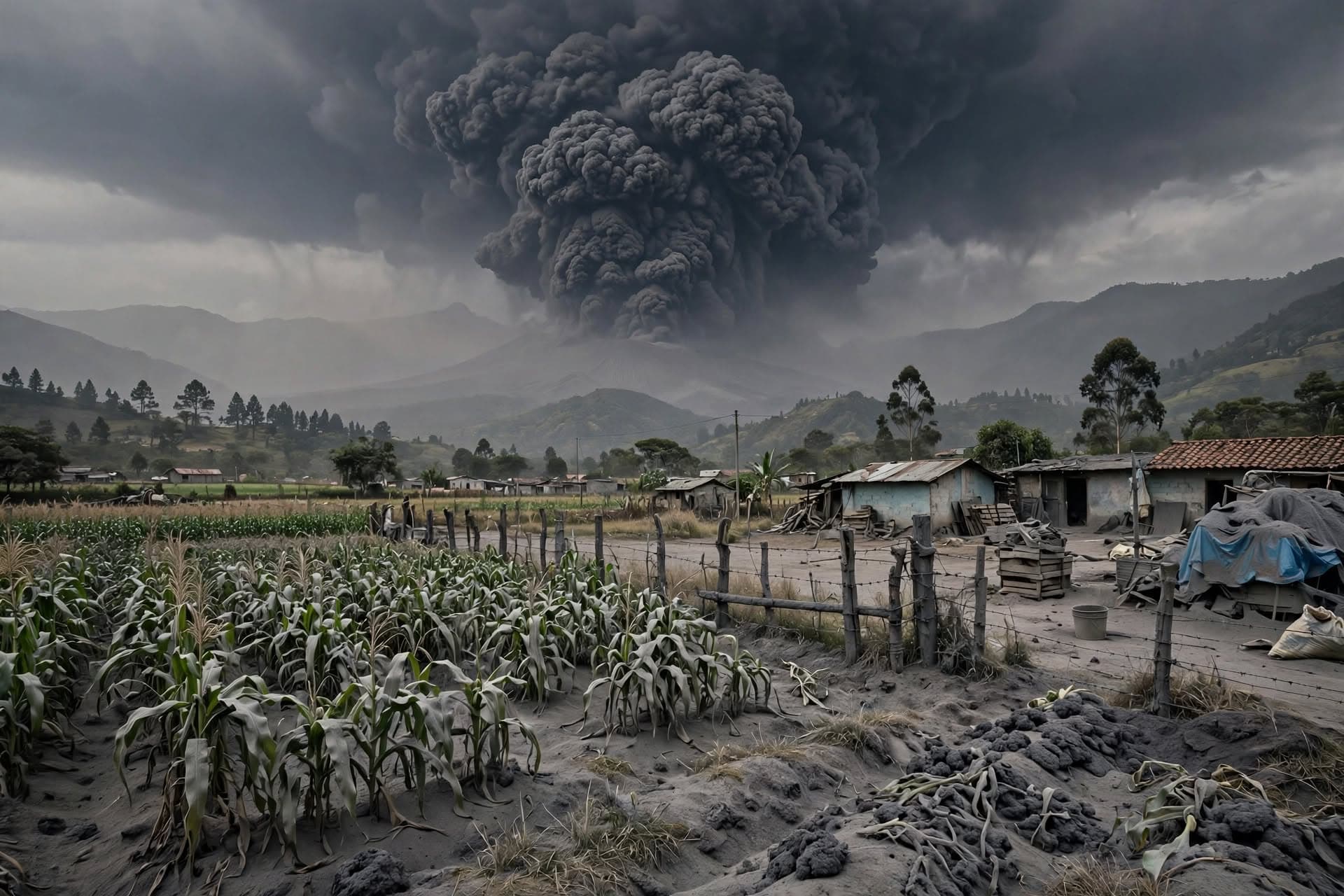
Escuintla, Guatemala—A high-energy explosive eruption at the Volcán de Fuego sent superheated currents of gas and volcanic rock surging down its southern flanks, resulting in the tragic deaths of at least three agricultural workers. The eruption occurred shortly after midday, with the National Institute of Seismology, Volcanology, Meteorology and Hydrology confirming that pyroclastic flows descended through the Las Lajas and El Jote ravines.
The eruption generated ash columns that reached heights exceeding 15,000 feet above sea level, depositing coarse gray debris on nearby agricultural communities and severely disrupting regional transit corridors. In response to the imminent danger, disaster response teams evacuated hundreds of families from villages situated directly in the path of potential secondary volcanic flows. The rapid movement of hot gas avalanches cut off a rural highway and buried farm vehicles that were operating near the exclusion boundary.
Regional civil protection officials reported, "The pyroclastic surge moved past the established warning zone before field teams could finish clearing the lower plots." The intense heat from the eruption was sufficient to scorch vegetation hundreds of yards away from the main flow path, highlighting the eruption's destructive power.
High-altitude winds carried fine volcanic dust across adjacent departments, prompting aviation authorities to issue warnings for regional air traffic routes. Local health posts have treated dozens of agricultural workers for ocular irritation, acute respiratory stress, and thermal burns, underscoring the health risks posed by the eruption.
Emergency personnel have established safety perimeters along access roads leading toward the summit to prevent onlookers and journalists from approaching unstable ash deposits. Ground crews are actively using heavy bulldozers to clear accumulated volcanic gravel from essential transit routes, ensuring that emergency services can operate effectively.
Seismographs have recorded ongoing volcanic tremors throughout the afternoon, indicating that magma movement within the internal conduit system remains elevated. Municipal water authorities have warned residents that rain could mix with volcanic ash, potentially forming dangerous lahars down river basins, which could exacerbate the situation.
Disaster management agencies have maintained red alert levels for communities bordering the mountain, while emergency shelters are operating in municipal halls away from the primary flow paths. Monitoring stations continue to record high-frequency seismic signals, with volcanic monitoring teams cautioning that further explosive pulses remain possible in the coming hours, keeping the threat level high for local residents.
The Fuego Volcano, known for its frequent eruptions, poses a significant risk to surrounding communities. As authorities continue to monitor the situation, the focus remains on ensuring the safety and well-being of those affected by this natural disaster.
Published by Banx Network. This article is part of the Banx decentralized media programme, powered by the BXE token on the XRP Ledger.