There are places on Earth where time does not simply pass—it settles. In Antarctica, snowfall becomes memory. Layer upon layer, year after year, the sky writes its quiet record into ice. Beneath the vast white expanse of an ice shelf, centuries rest in frozen silence, waiting for someone to ask what they remember.
Recently, scientists drilling deep into an Antarctic ice shelf have begun to retrieve those memories. By extracting long cylinders of compacted ice—known as ice cores—researchers are peering into a climate archive that stretches back hundreds, sometimes thousands, of years. Each layer holds traces of ancient air, volcanic ash, ocean shifts, and subtle variations in temperature.
The work is painstaking. On the surface, drilling rigs stand against relentless winds and subzero cold. Teams operate in carefully timed shifts, ensuring that each core is preserved and cataloged before being transported for laboratory analysis. The goal is not spectacle but precision: to reconstruct the environmental story embedded in the frozen shelf.
Ice shelves, unlike grounded glaciers, float atop the ocean while remaining attached to the continent. They act as buttresses, slowing the flow of inland ice toward the sea. Understanding their past stability is critical to anticipating future change. When researchers drill into these shelves, they are not only studying snowfall patterns; they are examining how ice and ocean have interacted over time.
Air bubbles trapped within the ice are especially valuable. They preserve snapshots of Earth’s atmosphere—levels of carbon dioxide, methane, and other gases from eras long before industrialization. By comparing those ancient concentrations with modern measurements, scientists can track how rapidly greenhouse gases have risen.
Sediments and salt content within the cores also reveal periods when warmer ocean water may have reached beneath the ice shelf, thinning it from below. These insights help researchers model how present-day warming could influence structural stability. While ice sheets can appear immovable, their history shows phases of retreat and reformation shaped by shifting currents and temperatures.
What makes the current drilling efforts significant is the depth and location of the sampling. Some projects target areas previously considered stable, testing assumptions about how long these shelves have remained intact. Others seek to fill gaps in regional climate data, offering a clearer picture of Antarctica’s role in global sea level rise.
Scientists involved in the research emphasize caution in interpretation. Climate systems are complex, and ice cores represent one strand in a broader network of data that includes satellite observations and ocean measurements. Yet the value of these frozen records lies in their continuity. They offer context—placing recent decades within a much longer environmental arc.
There is something humbling in the act of drilling into ancient ice. The machinery hums in the present, but the material lifted to the surface carries whispers of distant centuries. It reminds us that climate change is not a sudden phenomenon, yet it also underscores how unusual current trends appear when viewed against the deep past.
As analysis continues, researchers aim to refine projections of how Antarctic ice shelves may respond to ongoing warming. The findings are expected to contribute to global climate models and inform assessments of future sea level rise. For now, each extracted core adds another chapter to a story written in frost, offering a clearer understanding of how the planet has changed—and how it may change again.
AI Image Disclaimer
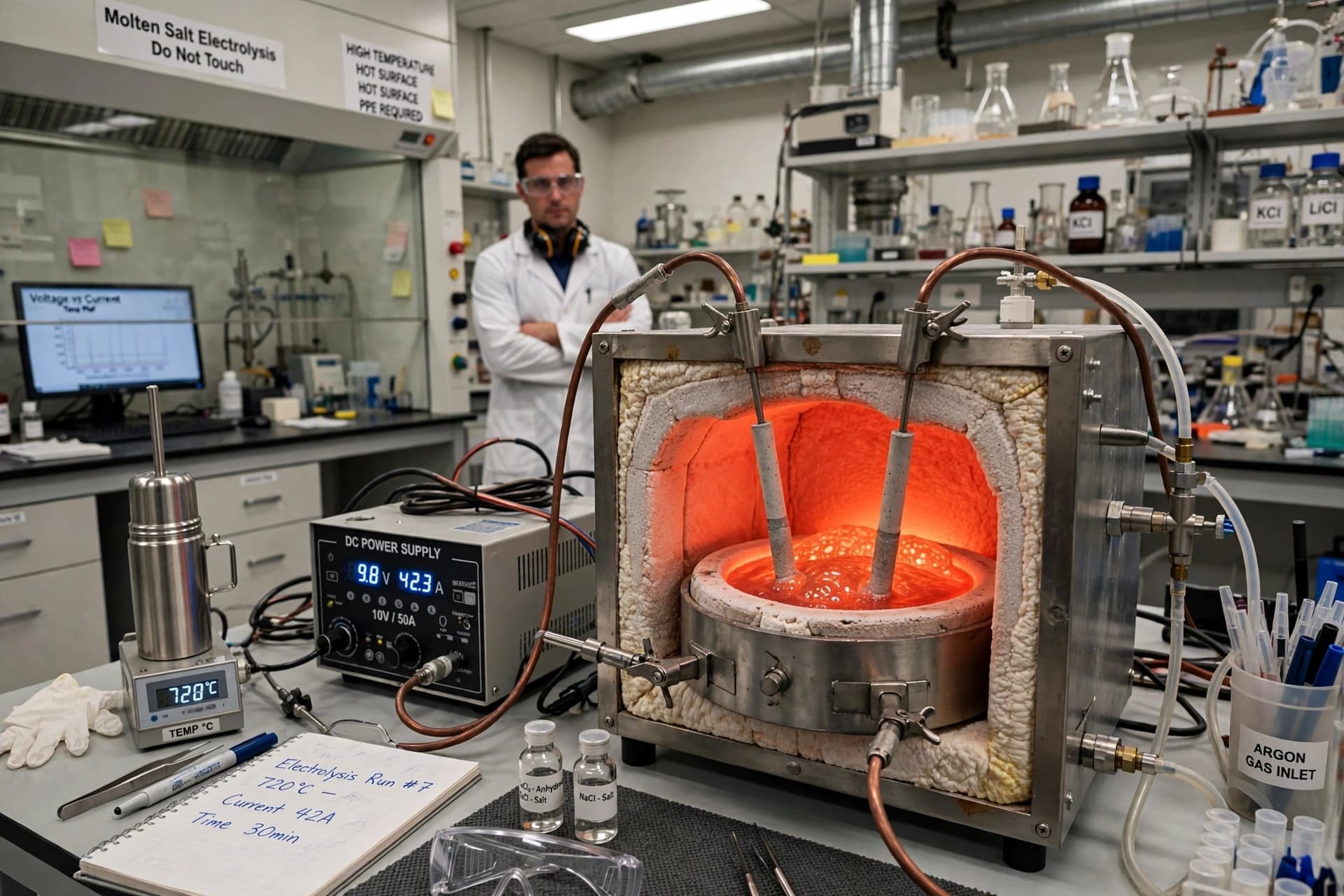
Images in this article are AI-generated illustrations, meant for concept only.
SOURCE CHECK
Credible coverage found in:
BBC The Guardian Reuters National Geographic Scientific American
Published by Banx Network. This article is part of the Banx decentralized media programme, powered by the BXE token on the XRP Ledger.