In the complex dance of federal-state relations, money is often the music to which both parties move. Recently, the Trump administration announced a freeze on billions of dollars in federal funds destined for Minnesota, citing allegations of widespread fraud and mismanagement. This decision, which affects Medicaid reimbursements, child care assistance, and other critical services, is not merely a budgetary adjustment; it is a sharp assertion of federal oversight. It invites reflection on the balance of power between Washington and the states, the integrity of public assistance programs, and the real-world impact of political disputes on vulnerable populations.
Body: The freeze targets approximately $10 billion in grant funds, including significant portions of Medicaid reimbursements and family assistance programs. Administration officials argue that audits revealed irregularities and potential fraud in how these funds were administered by state agencies. They contend that withholding the money is necessary to ensure taxpayer dollars are used correctly and to compel stricter compliance with federal guidelines. For the administration, this is a matter of accountability and fiscal responsibility.
For Minnesota, a state known for its robust social safety net, the freeze is a devastating blow. Governor Tim Walz and other state officials have vehemently denied the allegations, calling the move politically motivated and unlawful. They argue that the freeze jeopardizes the health and well-being of thousands of residents, including children, the elderly, and low-income families. The sudden loss of funding creates uncertainty for hospitals, childcare providers, and social service agencies that rely on these federal dollars.
The legal battle is already underway. State attorneys general and advocacy groups are challenging the freeze in court, arguing that the administration lacks the authority to withhold congressionally appropriated funds without due process. They cite precedents that protect states from arbitrary federal interference. The courts will play a crucial role in determining the legality of the action, setting a precedent for future federal-state disputes. It is a test of constitutional boundaries.
Beyond the legalities, the human cost is immediate. Families who depend on child care subsidies may find themselves unable to afford care, forcing parents to leave the workforce. Patients relying on Medicaid-funded services may face disruptions in treatment. Nonprofits and local governments are scrambling to fill the gap, but their resources are limited. The ripple effects extend throughout the state’s economy, affecting jobs and local businesses.
Political polarization exacerbates the conflict. Critics view the freeze as a punitive measure against a state led by a different political party, using vulnerable citizens as leverage in a broader ideological struggle. Supporters of the administration see it as a necessary crackdown on waste and abuse. This divide makes bipartisan solutions difficult, leaving affected citizens caught in the crossfire. It highlights the fragility of social programs in a polarized era.
Federal oversight of grant programs is a longstanding issue. Ensuring that funds are used effectively and honestly is a legitimate government function. However, the scale and abruptness of this freeze raise questions about proportionality and fairness. Experts suggest that targeted corrections and collaborative audits might be more effective than blanket freezes. Cooperation, rather than confrontation, could yield better outcomes for all parties.
As the situation unfolds, monitoring the impact on Minnesotans is crucial. Data on service disruptions, health outcomes, and economic effects will inform the public debate. Advocacy groups are documenting stories of those affected, putting a human face on the statistics. These narratives are powerful tools for influencing policy and public opinion. They remind us that behind every dollar are people.
Closing: In the end, the freeze on federal funds to Minnesota is a contentious chapter in American federalism. It highlights the tension between oversight and autonomy, and the real-world consequences of political decisions. As the legal and political battles continue, the hope is that the needs of the most vulnerable will remain at the center of the discussion, leading to a resolution that ensures both integrity and support.
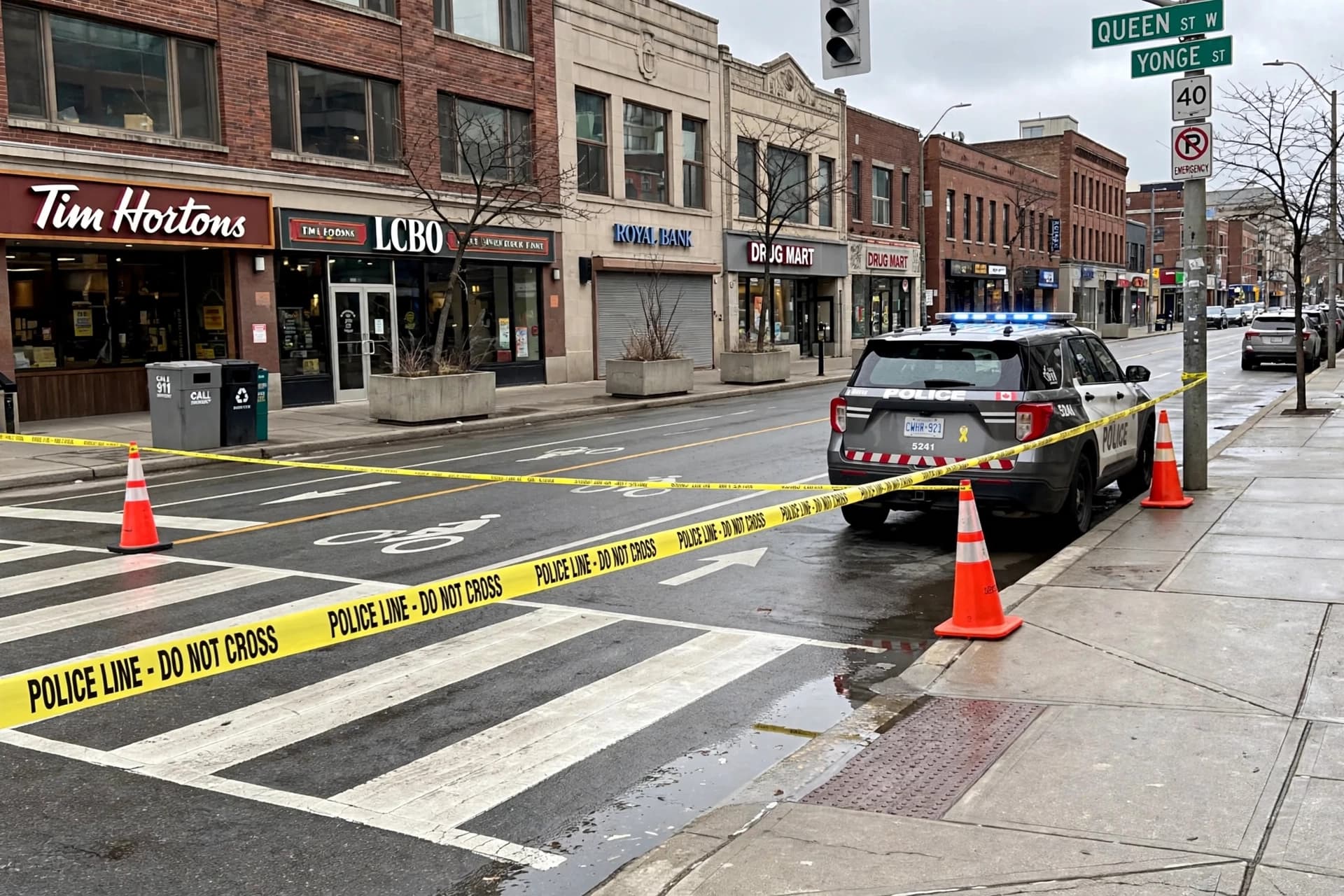
AI Image Disclaimer: Visuals accompanying this text are AI-generated conceptualizations intended to depict the themes of political finance and federal-state relations.
Sources: Center on Budget and Policy Priorities MPR News The Guardian
Published by Banx Network. This article is part of the Banx decentralized media programme, powered by the BXE token on the XRP Ledger.