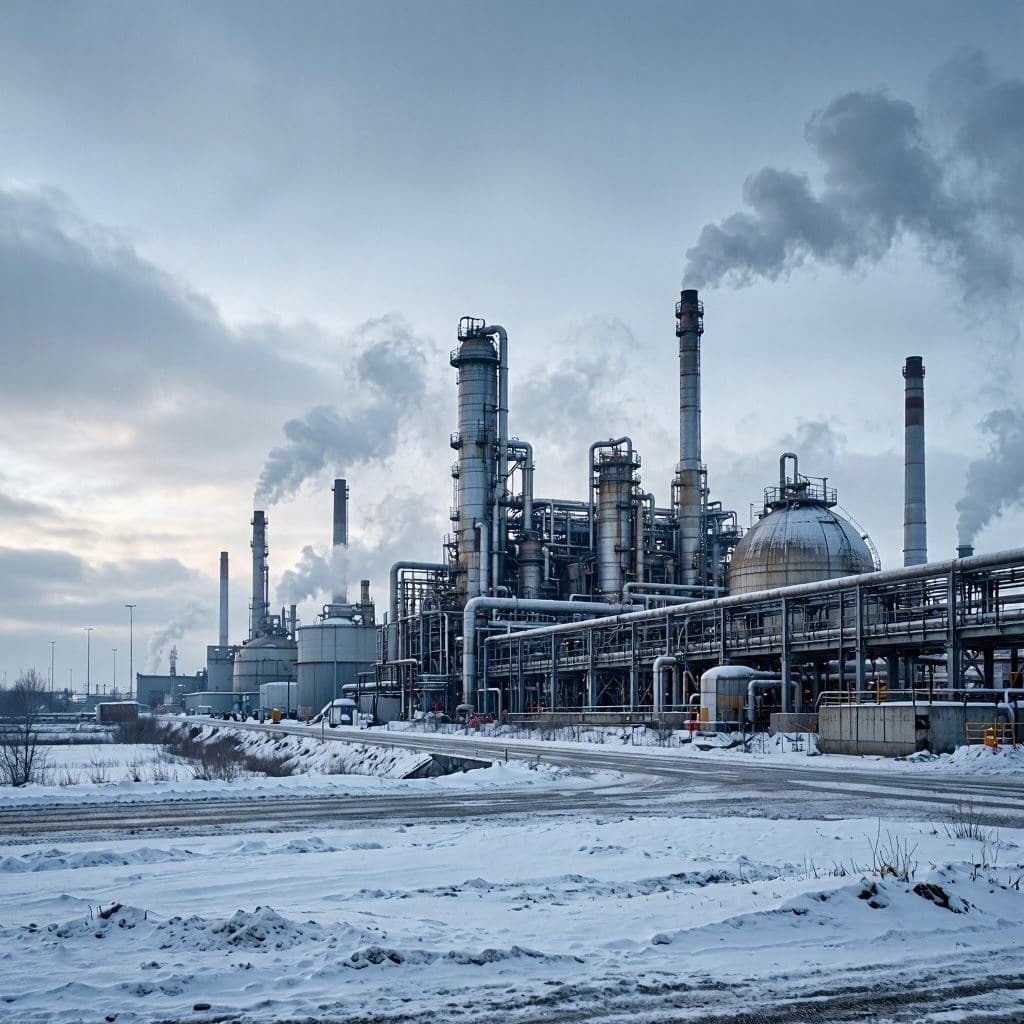
In the vast, frozen expanses of western Siberia, industrial giants stand as testaments to human engineering and economic ambition. The ZapSibNeftekhim complex, operated by Sibur, is one such titan, a crucial node in the global supply chain for polymers and liquefied petroleum gas. Recently, however, the hum of its machinery was silenced not by maintenance or market forces, but by the sudden intrusion of war. A drone attack has forced the indefinite shutdown of the facility, sending ripples through energy markets and highlighting the vulnerability of even the most remote infrastructure. This event invites reflection on how distant conflicts can disrupt the delicate balance of global commerce. It is a reminder that no link in the supply chain is entirely secure.
The attack, reportedly carried out by Ukrainian special forces, targeted the heart of the plant in Tobolsk. Sources indicate that while the damage was significant, it did not result in a catastrophic explosion, allowing for a controlled shutdown. Firefighters and engineers worked to secure the site, preventing further escalation. The precision of the strike underscores the evolving capabilities of modern warfare, where drones can reach deep into enemy territory with surprising accuracy. Technology reshapes the battlefield.
For Sibur, the shutdown represents a major operational setback. As Russia’s largest petrochemical producer, the company plays a pivotal role in both domestic industry and international exports. The loss of production from ZapSibNeftekhim will likely lead to shortages in certain polymer grades and LPG supplies. Market analysts are already adjusting their forecasts, anticipating price volatility in the coming weeks. Uncertainty drives markets.
The impact extends beyond Russia’s borders. Global buyers who rely on Sibur’s products may face delays and increased costs as they seek alternative suppliers. In an interconnected economy, a disruption in Siberia can affect manufacturing floors in Europe and Asia. Supply chains are fragile webs. Resilience is tested by shocks.
For the local community in Tobolsk, the incident brings anxiety about safety and economic stability. The plant is a major employer, and any prolonged closure could affect livelihoods. Authorities have assured residents that there is no immediate environmental threat, but the psychological impact of living near a target remains. Safety is a primary concern.
As investigations continue, the focus shifts to repair and recovery. The time required to restore full operations remains unclear, depending on the extent of the damage to critical units. Sibur has stated that it is assessing the situation closely, prioritizing safety above all else. Patience is required for restoration.
Russia’s Sibur petrochemical plant in western Siberia has been shut down indefinitely following a drone attack. The incident highlights the risks to critical infrastructure and potential disruptions to global polymer and gas supplies. The hope is for a swift assessment and safe resumption of operations.
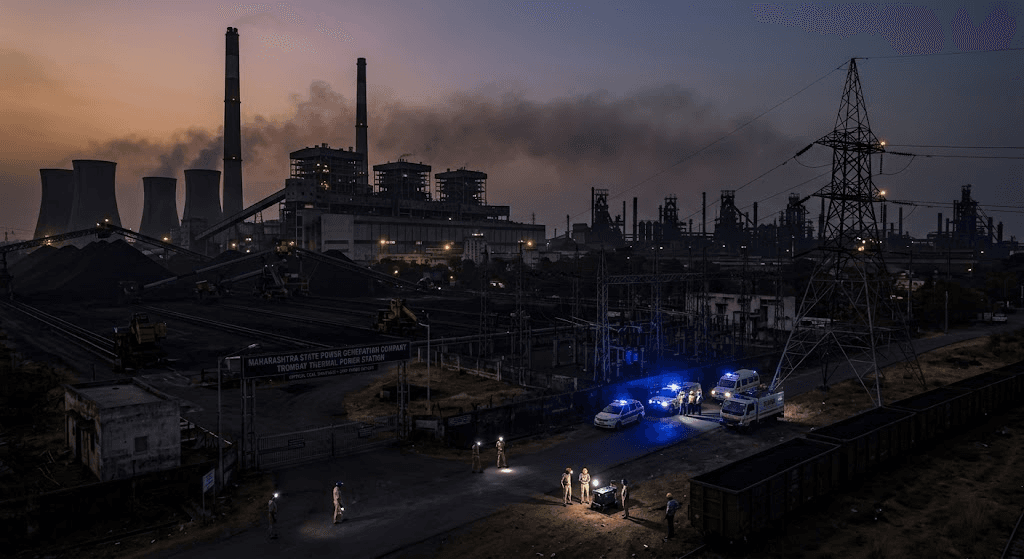
AI Image Disclaimer: The visual elements accompanying this report are AI-generated interpretations designed to reflect the industrial and security context of the story.
Sources: Reuters The Moscow Times Hydrocarbon Processing
Published by Banx Network. This article is part of the Banx decentralized media programme, powered by the BXE token on the XRP Ledger.