Plasma, often called the fourth state of matter, is typically associated with the searing heat of stars or the crackle of lightning. But in the quiet confines of advanced physics laboratories, a different kind of plasma is being born—one that is astonishingly cold. Researchers have made significant strides in creating and studying ultracold neutral plasmas, a state where ions and electrons exist at temperatures near absolute zero. This counterintuitive phenomenon opens new doors for understanding fundamental physics, bridging the gap between atomic physics and plasma science in ways previously thought impossible.
Traditional plasmas are hot, chaotic environments where particles move at high speeds. In contrast, ultracold neutral plasmas are created by laser-cooling atoms to microkelvin temperatures and then ionizing them with a precise laser pulse. The resulting plasma retains the low kinetic energy of the original atoms, allowing scientists to observe interactions that are usually masked by thermal noise. This unique environment provides a pristine testing ground for theories of many-body physics.
One of the key breakthroughs in recent studies is the ability to control the coupling strength between particles. In these ultracold conditions, the electrical forces between ions and electrons become dominant, leading to strong correlations. This allows researchers to simulate conditions found in white dwarf stars or inertial confinement fusion experiments, but in a controlled, tabletop setting. It is akin to studying the dynamics of a galaxy in a bottle.
The implications for quantum computing and precision measurement are profound. Ultracold plasmas can serve as a platform for studying quantum degeneracy and collective behavior. By understanding how particles organize themselves in these extreme conditions, scientists can develop better models for complex quantum systems. This knowledge could lead to advancements in materials science and information processing.
Moreover, the study of neutral plasmas helps refine our understanding of recombination processes. When electrons and ions come together to form neutral atoms, energy is released. In ultracold plasmas, this process happens slowly and predictably, allowing for detailed observation. These insights are crucial for improving models of astrophysical phenomena, where similar recombination events occur in interstellar clouds.
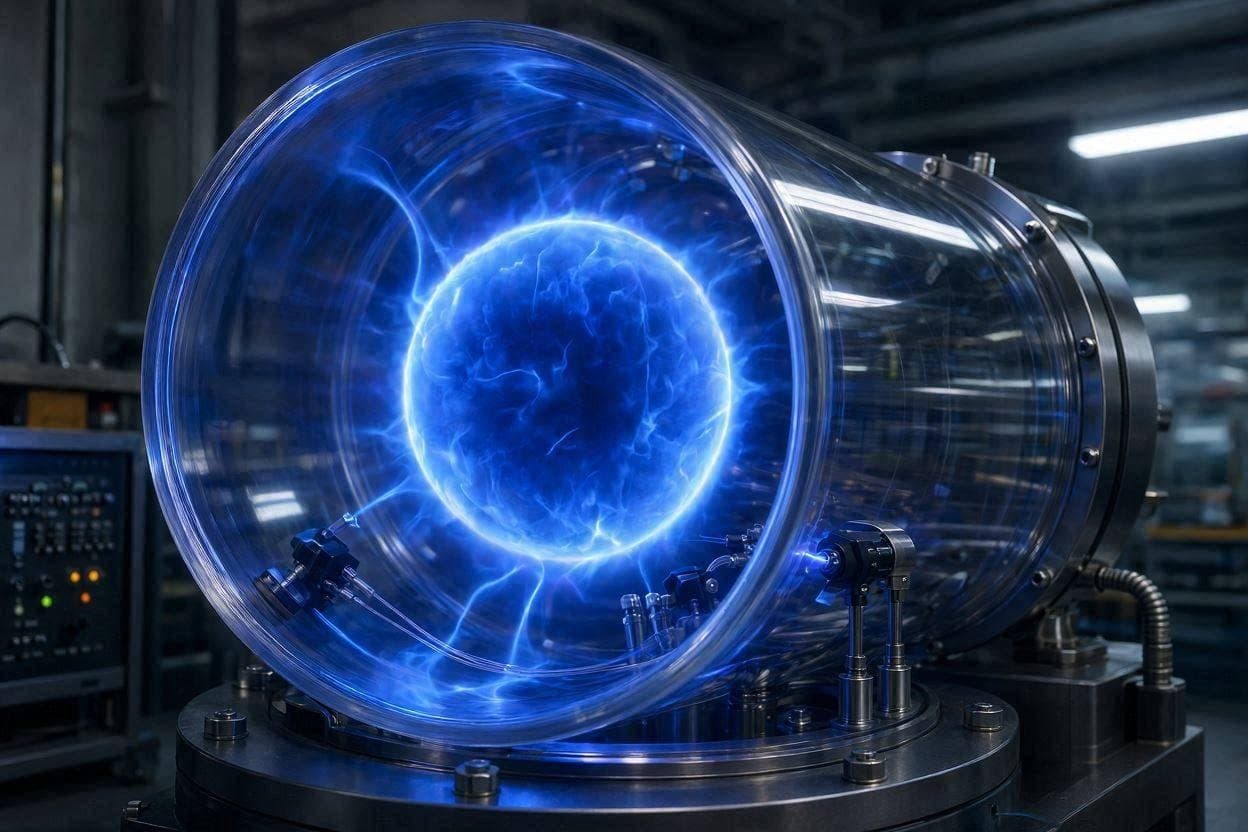
The technical challenges of maintaining such fragile states are immense. Any interaction with the surrounding environment can heat the plasma, destroying the delicate balance. Researchers use sophisticated vacuum chambers and magnetic traps to isolate the plasma, pushing the boundaries of experimental physics. Each successful experiment is a testament to human ingenuity and precision engineering.
As the field grows, collaboration between atomic physicists and plasma scientists is increasing. This cross-pollination of ideas is driving innovation, leading to new techniques for cooling and trapping particles. The synergy between these disciplines is accelerating progress, turning what was once a niche area into a vibrant field of inquiry.
The study of ultracold neutral plasmas represents a frontier in physics where the very cold meets the very energetic. By taming plasma with lasers, scientists are uncovering fundamental truths about matter and energy. In this frozen fire, we find new ways to understand the universe.
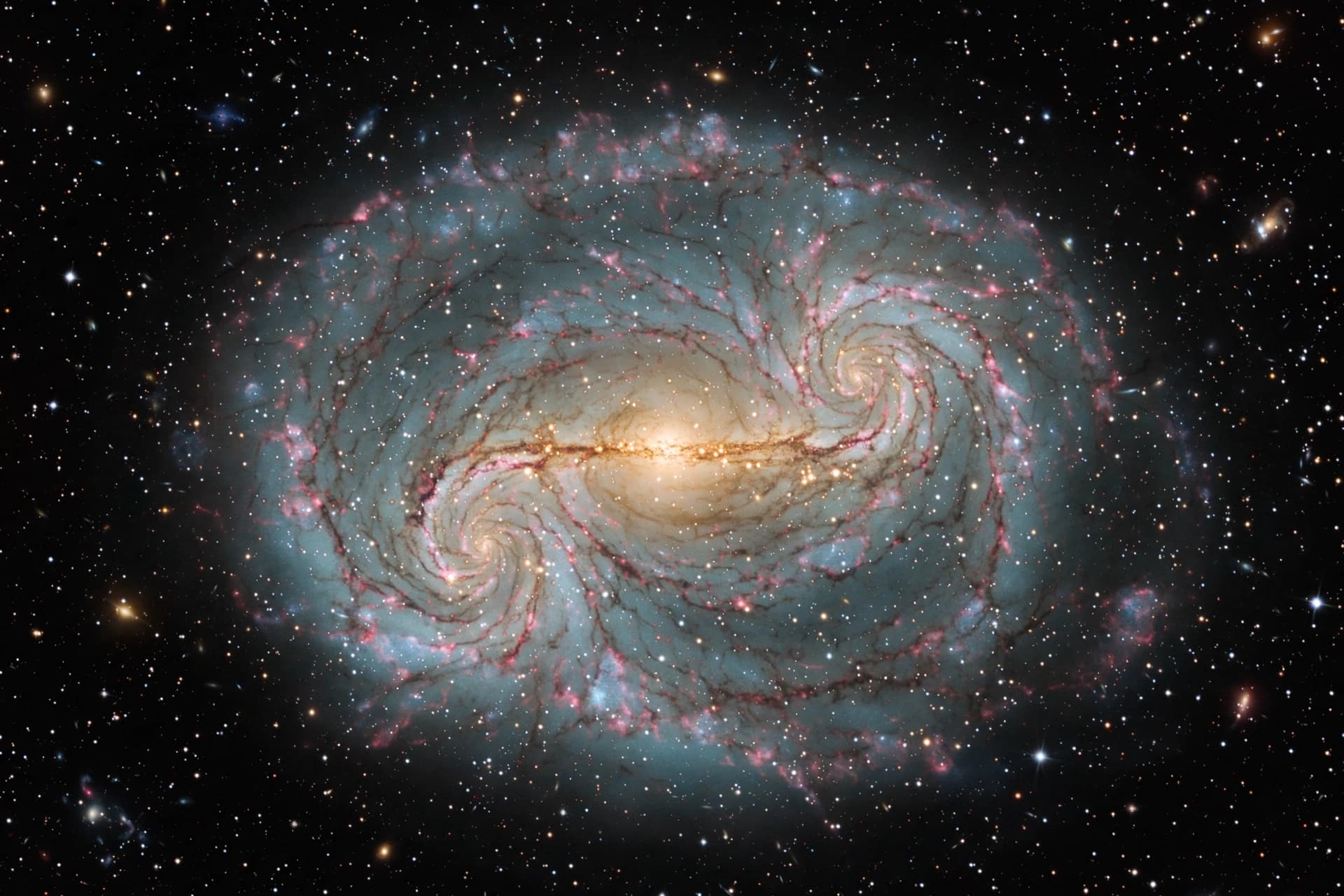
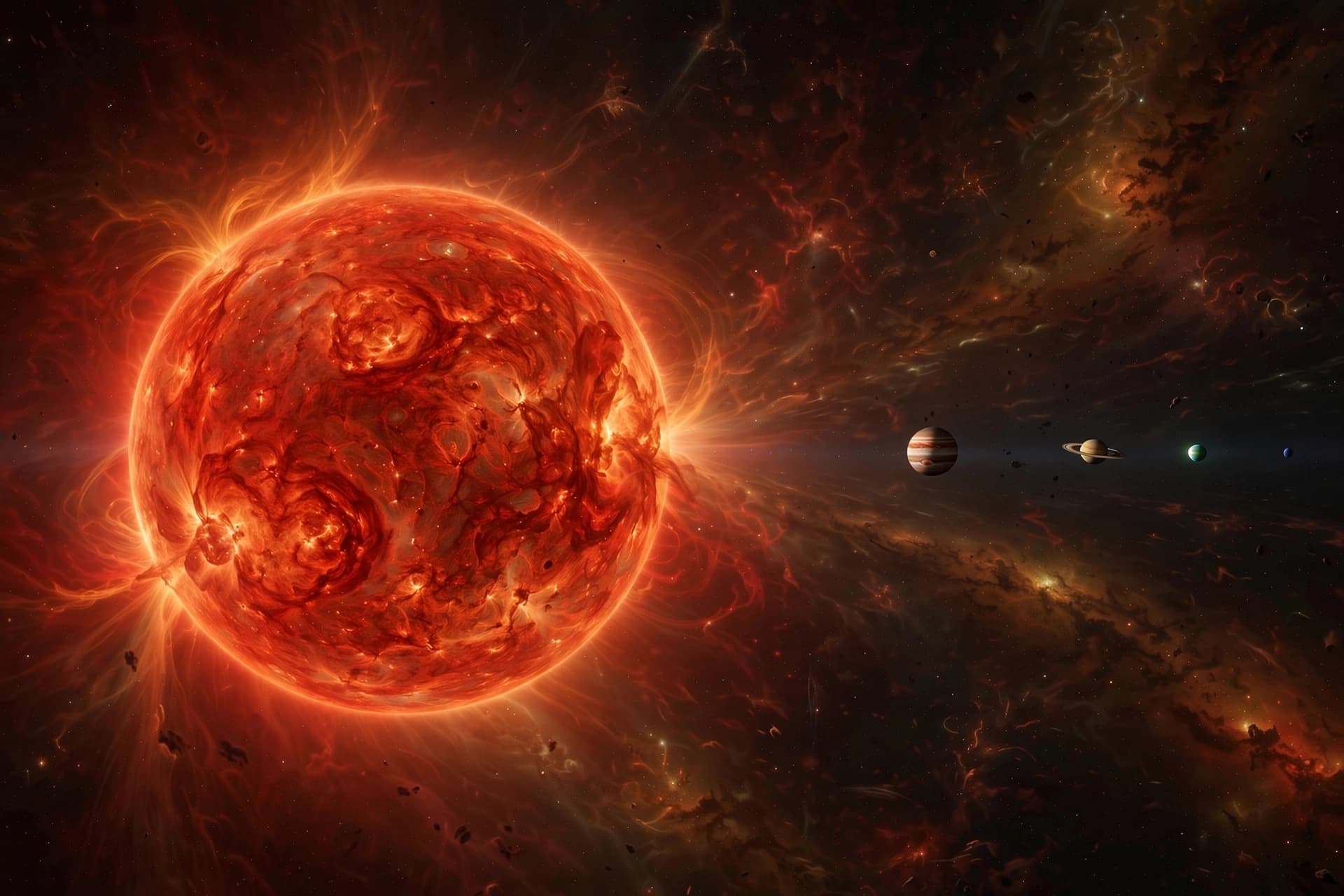
AI Image Disclaimer: Please note that the images in this piece are AI-generated illustrations created to depict the themes of quantum physics and laboratory research.
Sources: Physical Review Letters, Science Daily, American Physical Society, Nature Physics
Published by Banx Network. This article is part of the Banx decentralized media programme, powered by the BXE token on the XRP Ledger.