
Key Highlights
- Severe weather has caused widespread flooding and freezing temperatures across Europe.
- Emergency services are responding to numerous incidents, including evacuations and power outages.
- The situation highlights vulnerabilities in Europe's infrastructure amid climate change concerns.
Extreme weather has gripped Europe, bringing torrential rain and freezing temperatures that have led to significant disruptions across the continent. From bustling cities to quiet rural areas, the impact of this relentless storm system is being felt far and wide, as millions of residents navigate the challenges posed by the season's harshest weather.
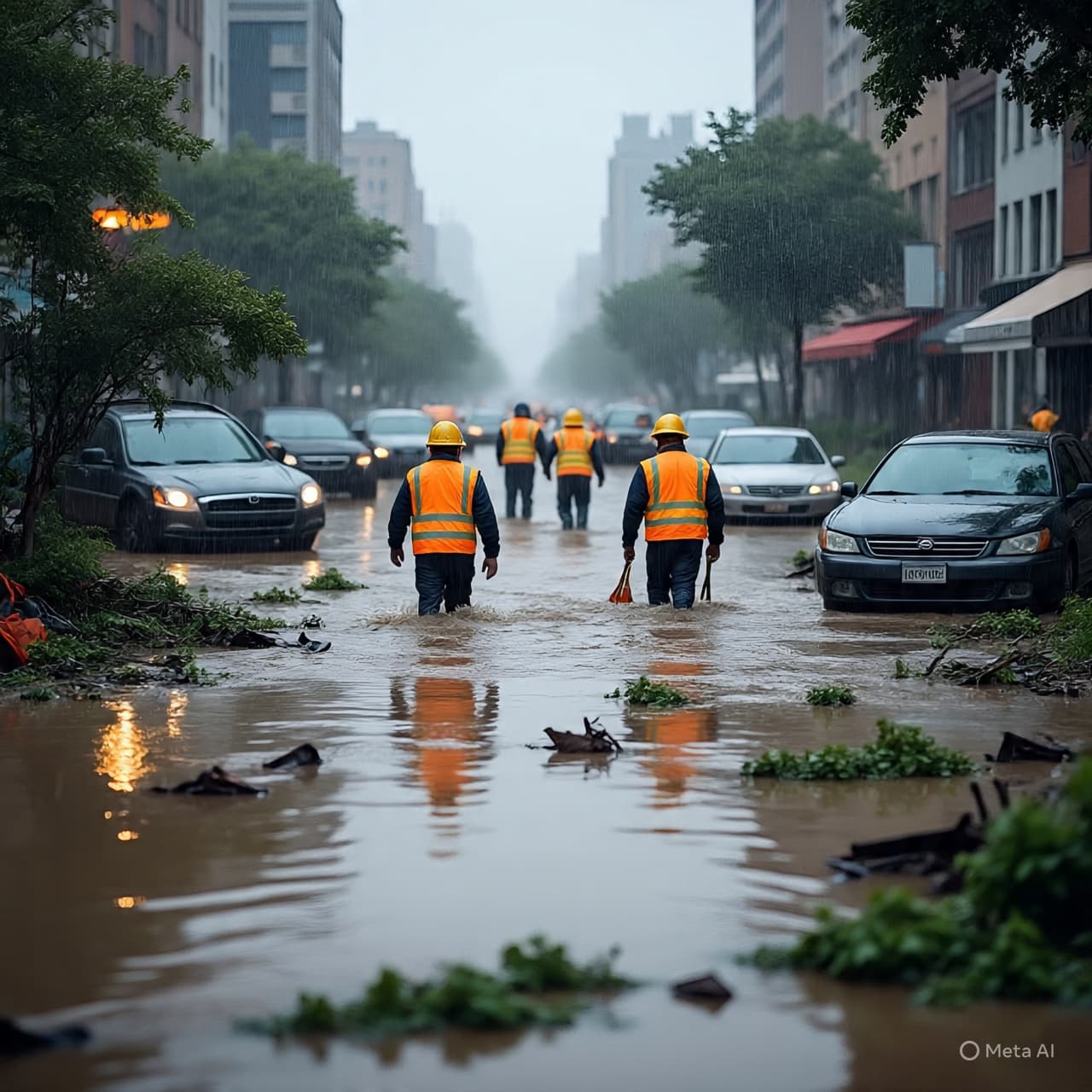
In northern and central Europe, heavy rainfall has overwhelmed drainage systems, resulting in flooded streets and overflowing rivers. Countries such as Germany, France, the Netherlands, and the UK have reported flash floods that have displaced residents and caused extensive damage to homes and infrastructure. The relentless downpour has left many waking up to a landscape transformed by water, with emergency services working tirelessly to respond to the crisis.
Accompanying the rain are dangerously low temperatures, creating icy conditions that have made travel treacherous. Roads have become hazardous, with reports of accidents and delays as drivers contend with flooding and ice. Public transport systems are also feeling the strain, with flights delayed and trains suspended due to the adverse weather. In some regions, snow has compounded the difficulties, further complicating efforts to navigate the affected areas.
Meteorologists have noted that the severity of this weather event has taken many by surprise. "We’ve seen rainfall levels that are nearly double the monthly average, and when combined with freezing conditions, it has made travel and daily life extremely challenging," said a meteorologist based in Paris. This unexpected intensity has raised concerns about the preparedness of communities to handle such extreme weather.
The consequences of this extreme weather are dire for many. Emergency services have been inundated with calls, responding to flooded homes, landslides, and fallen trees that have obstructed roads and power lines. Thousands of residents have been forced to evacuate, seeking refuge in emergency accommodation centers as floodwaters rise. In some areas, prolonged power outages have left communities in the cold and dark, exacerbating the already challenging situation.
Despite the chaos, the resilience of the European people shines through. Volunteers, rescue workers, and local authorities are working around the clock to restore order and provide assistance to those in need. In flood-affected regions, sandbag walls are being constructed, and emergency teams are conducting rescues for individuals trapped in flooded buildings. This spirit of community support is vital in times of crisis.
The ongoing storm has also underscored the vulnerabilities of Europe’s aging infrastructure. Many regions are struggling to cope with the intensity and frequency of extreme weather events, raising questions about the adequacy of current systems to handle such challenges. As climate change continues to contribute to unpredictable weather patterns, the need for improved preparedness and resilience is becoming increasingly urgent.
As the storm continues to move across Europe, authorities are warning residents to stay safe and avoid unnecessary travel. With further rainfall and freezing conditions expected in the coming days, the situation remains precarious. This latest round of extreme weather serves as a stark reminder of nature's power and the importance of community readiness in the face of growing climate challenges.
Published by Banx Network. This article is part of the Banx decentralized media programme, powered by the BXE token on the XRP Ledger.



