
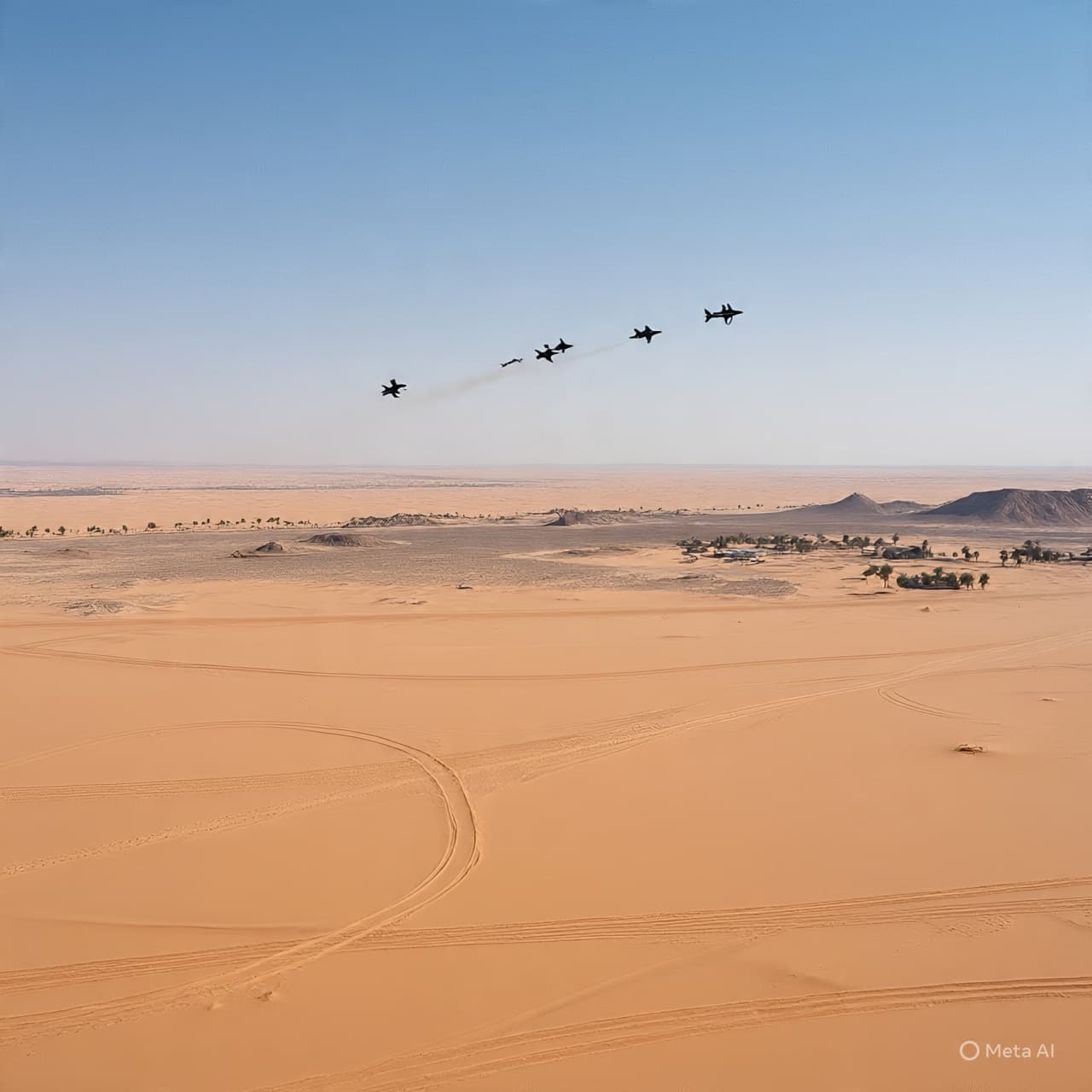
The rain in London fell in a fine, persistent mist, softening the outlines of Westminster and turning the Thames into a ribbon of muted gray. Inside the stone buildings along Whitehall, conversations moved in measured tones, shaped less by thunder than by the quiet weight of alliance. Across the Atlantic, the air was different—brighter, louder, edged with the familiar cadence of campaign rallies and cable news panels. Between these two atmospheres, a disagreement unfolded, not as spectacle but as a reminder that even old partnerships can feel the strain of distant fire.
At the center stood Britain’s prime minister, Keir Starmer, and across the ocean, the former U.S. president and current political force, Donald Trump. The subject was Iran, and the question was the use of force—specifically, American strikes on Iranian-linked targets in the Middle East following heightened tensions in the region.
Washington described the strikes as necessary and proportionate, aimed at deterring further attacks on U.S. personnel and interests. The operations, carried out after a series of escalating incidents involving Iran-backed groups, were framed by American officials as limited in scope but firm in message. The geography of the confrontation stretched from Iraq to Syria, places where regional rivalries often converge in shadow and smoke.
In London, the response carried a different rhythm. Starmer emphasized the importance of de-escalation and the need for diplomacy to prevent a broader regional conflict. While reaffirming the United Kingdom’s commitment to security cooperation with the United States, he signaled unease about actions that could widen an already fragile landscape. British officials reiterated support for stability in the Gulf and underscored the importance of working through international channels.
The disagreement did not erupt into dramatic rupture. Instead, it moved through statements and interviews, each side articulating its position with the careful phrasing that defines transatlantic diplomacy. Trump, speaking publicly, defended the strikes as a demonstration of strength and criticized what he characterized as hesitancy among allies. Starmer, in turn, maintained that strength and restraint need not be opposites, suggesting that alliances are tested not only in moments of action but in moments of pause.
Behind the exchange lies a longer history. The United Kingdom and the United States have stood together in conflicts from the Persian Gulf to Afghanistan. Yet approaches to Iran have often revealed subtle divergences—over the nuclear agreement, over sanctions, over the balance between deterrence and dialogue. The unraveling of the Joint Comprehensive Plan of Action years earlier still casts a long shadow over Western strategy, and efforts to contain regional spillover remain delicate.
In Tehran, officials condemned the strikes and warned of consequences, while regional governments watched closely, wary of escalation that could ripple through energy markets and security corridors. Oil prices flickered in response, reflecting how quickly distant explosions can reverberate through global systems. Diplomats at the United Nations urged restraint, their language echoing through marble halls far removed from the desert terrain where the strikes occurred.
For Starmer, the moment underscores the complexity of leadership in an interconnected world: how to uphold alliance commitments while articulating an independent voice. For Trump, it reinforces a longstanding emphasis on assertive posture in matters of national security. Between them lies the Atlantic, wide but bridged by history, trade, intelligence sharing, and shared strategic interests.
As evening settles again over London and Washington alike, the disagreement appears less a rupture than a reminder. Alliances are living arrangements, shaped by changing leaders and shifting threats. The strikes on Iranian-linked targets remain a fact on the ground; the diplomatic aftershocks continue in briefing rooms and bilateral calls. Whether the episode becomes a footnote or a turning point will depend not only on future actions in the Middle East, but on how two capitals choose to interpret strength—in force, in caution, or in the patient work of keeping channels open.
AI Image Disclaimer Visuals are AI-generated and serve as conceptual representations.
Sources BBC News Reuters The Guardian The New York Times Al Jazeera
Published by Banx Network. This article is part of the Banx decentralized media programme, powered by the BXE token on the XRP Ledger.


.jpg&w=3840&q=75 "Romania Passes Controversial Integrity Law for Officials to Access EU Funds")