At sunrise in Addis Ababa, where the light moves slowly across the wide plains and the distant hills seem to pulse with memory, the air carries a quiet urgency. Beneath that soft glow, delegates have gathered for the 39th Ordinary Session of the African Union, their voices weaving together themes of water, life, and the long arc of development. In the courtyards and meeting rooms of this city, ancient rivers of discussion now converge with modern concerns over taps left dry and young hands cupped in search of replenishing drops.
Water has always been more than a resource here; it is a symbol of community, survival, and the rhythms of everyday life. Yet across sub‑Saharan Africa, that benevolent rhythm has faltered for millions. Today, more than 400 million people lack access to basic drinking water, a stark shadow cast over villages, towns, and cities alike — a humbling reminder of both humanity’s fragility and its aspirations. As the African Forum and Network on Debt and Development (AFRODAD) has observed, this crisis cannot be separated from the deeper contours of the world’s financial architecture, a structure as vast and influential as the rivers that carve these lands.
In the quiet intensity of the summit’s discussions, debt and water have emerged as inseparable motifs. The global financial system, AFRODAD suggests, too often places the weight of debt repayment above the most basic needs of life itself, leaving governments with little fiscal room to invest in the very foundations of health, food security and climate resilience. When external debt servicing costs are projected to reach $90 billion in 2026 and public debt in Africa sits above 60 percent of GDP, each dollar funneled toward interest represents a potential drop of water never delivered to a thirsty child’s cup.
This is not a problem born solely of arid landscapes and long droughts, though the sun‑scorched plains of East Africa vividly reflect its severity. It is a symptom of structural forces: fiscal constraints rooted in debt burdens that compel nations to divert resources away from life‑sustaining infrastructure. In the serene rhythms of villages perched on dry riverbeds and in bustling urban markets where vendors discuss daily needs with the same breath, water scarcity is felt not as a distant policy concern but as a lived reality shaping every day’s human story.
The summit theme — “Assuring Sustainable Water Availability and Safe Sanitation Systems to Achieve the Goals of Agenda 2063” — underlines both the challenge and the hope of collective action. Delegates, civil society voices and experts from across the continent have stressed that addressing water insecurity requires not only climate adaptation and infrastructure investment, but a fundamental rethinking of how financial flows move across borders and how fiscal space is created for long‑term planning. As one advocate put it, debt justice and water justice are two sides of the same coin, each essential to nurturing resilient societies.
Amid the red dust and green growth of Africa’s heartlands, such discussions unfurl like the slow flow of a once‑hidden stream now brought to light. The water crisis, as visible in the arid soils and parched wells that dot the continent, serves as a mirror of larger imbalances — of how global systems reward creditors and constrain communities striving to transform aspiration into reality. In the gentle exchange of ideas and experiences at this summit, there is recognition that the solutions must be as interwoven as the challenges themselves: financing arrangements that support sustainable growth, reforms to global financial frameworks, and investment in the human and natural infrastructure that underpin life itself.
As the sun climbs and the city’s rhythm resumes its familiar beat, those gathered in Addis reflect on what is required to turn the tide. To bring safe water to every home and to ensure every community’s resilience against climate shocks, there must be a harmonization of priorities — where the cost of debt is counted not only in financial ledgers but in the silent drought of rivers and the shared thirst of millions. In that quiet place between aspiration and action lies a broader invitation: to craft systems of finance and governance that measure progress not only in economic terms but in the cool flow of water that sustains life.
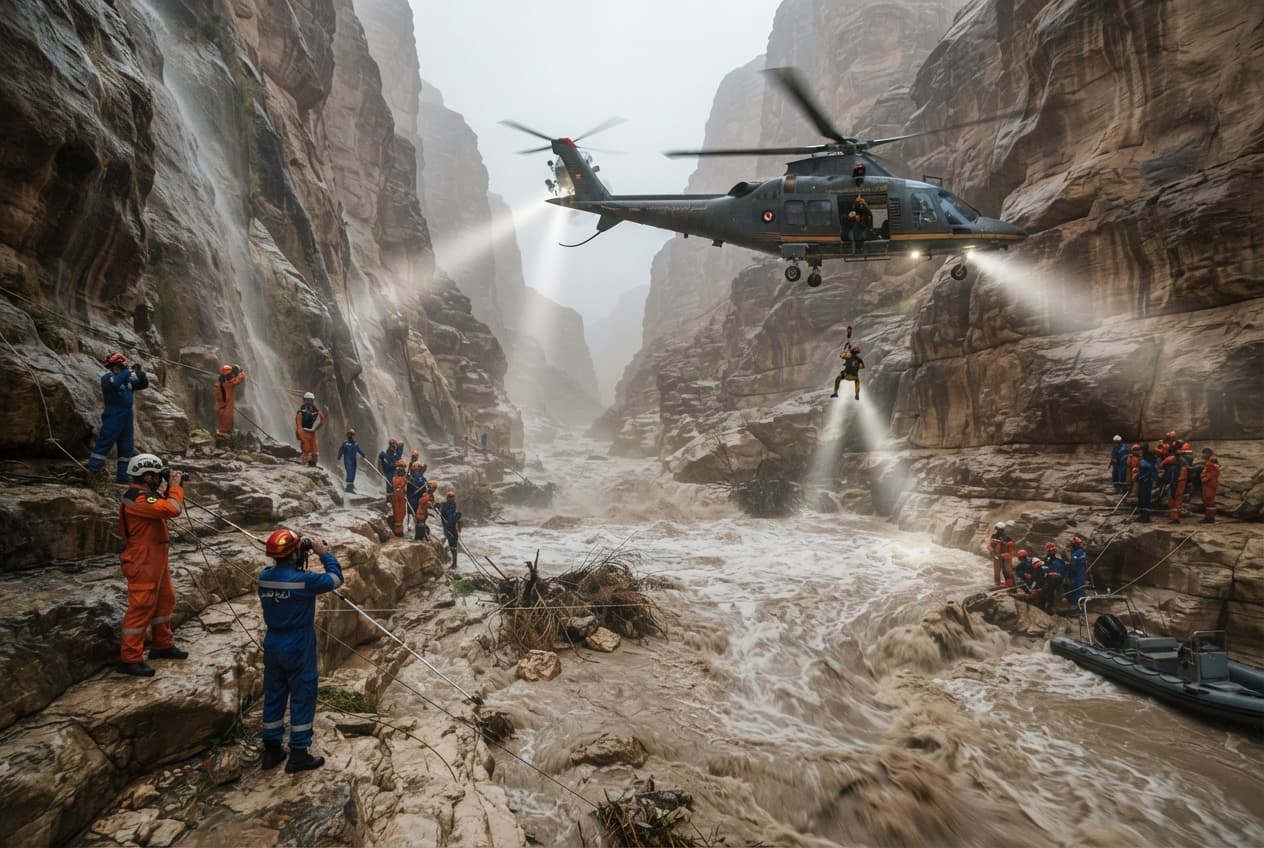
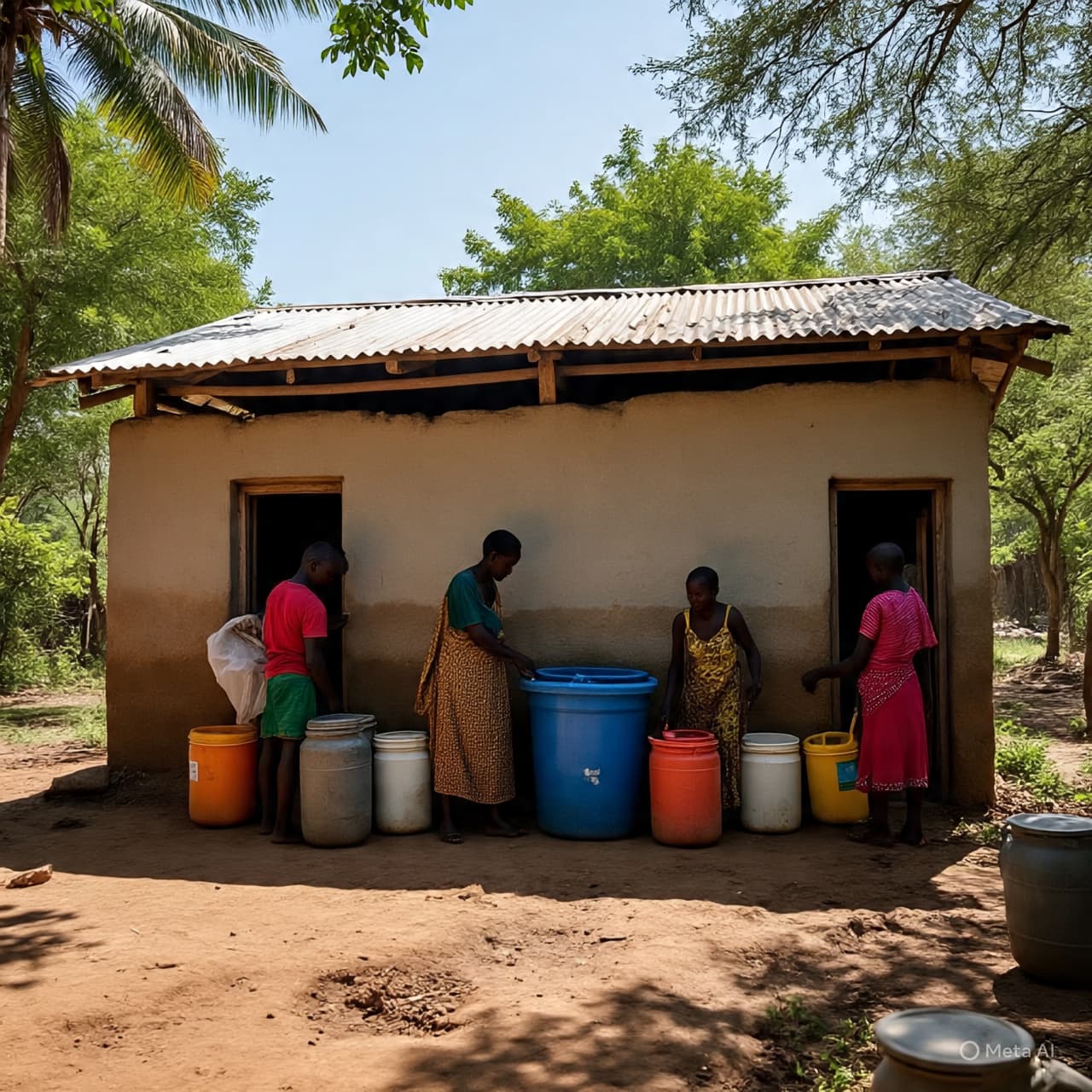
AI Image Disclaimer Visuals are AI‑generated and serve as conceptual representations.
Sources The B&FT Online, GhanaWeb, AFRODAD press advisory.
Published by Banx Network. This article is part of the Banx decentralized media programme, powered by the BXE token on the XRP Ledger.