There is a quiet paradox that lives at the gas pump—a contradiction that feels almost personal. A country produces more oil than ever, ships millions of barrels abroad, and yet, standing beside a fuel nozzle, the numbers still climb. It invites a simple question, but the answer unfolds like a map of invisible connections: if the United States exports oil, why does gasoline still grow more expensive?
The answer begins not in any single country, but in the nature of oil itself. Oil does not belong to one place once it enters the market; it becomes part of a global current. Prices are shaped not by where oil is produced, but by what happens everywhere at once. Even as the U.S. exports large volumes, gasoline prices remain tied to global benchmarks. When disruptions occur—such as geopolitical tensions or supply shocks—the ripple travels across oceans and into domestic prices.
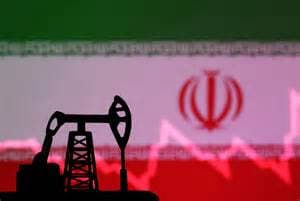
Recent events have made this especially visible. Conflict affecting key transit routes like the Strait of Hormuz has tightened global supply, pushing crude prices higher. That increase does not stop at borders. It moves through refineries, distribution systems, and ultimately into what drivers pay per gallon. Even a nation producing abundant oil cannot isolate itself from a market that functions as a single, interconnected system.
There is also a quieter, more technical layer beneath the surface. Not all oil is the same. Much of the oil produced in the United States is “light” crude, while many domestic refineries are designed to process heavier types. As a result, the U.S. both exports and imports oil simultaneously—sending certain types abroad while bringing in others better suited for its refining infrastructure. The system, though efficient in design, adds complexity to pricing, making it less responsive to simple supply-and-demand assumptions.
Then there are the additional pieces that shape the final price at the pump. Crude oil is only part of the equation—though the largest part. Refining costs, transportation, distribution, and taxes all contribute. Seasonal changes, such as the shift to more expensive summer fuel blends, can also raise prices. Even regional policies and fuel standards create variations, meaning prices can differ widely from one state to another.
What emerges is less a contradiction and more a reflection of how deeply interconnected energy has become. Exporting oil does not grant immunity from rising prices because the system itself is shared. The same forces that make American oil valuable abroad also make gasoline more expensive at home when global conditions tighten.
And perhaps that is the quiet lesson beneath it all: energy, like the world it powers, no longer moves in isolated lines. It flows in circles—global, responsive, and often unpredictable. Standing at the pump, the price is not just a number tied to domestic production, but a small reflection of a much larger story unfolding across continents.
In the end, gasoline prices continue to rise not because the system is broken, but because it is working exactly as designed—responsive to a global market where no single country, even one rich in oil, stands entirely apart.
AI Image Disclaimer
Graphics are AI-generated and intended for representation, not reality.
Source Check
Credible coverage found from:
Forbes
CBS News
Poynter
Reuters
Axios
Published by Banx Network. This article is part of the Banx decentralized media programme, powered by the BXE token on the XRP Ledger.