
Key Highlights
- U.S. warns Iran over Strait of Hormuz, linking it to power plants.
- Trump’s remarks signal a shift in conflict dynamics.
- Energy markets react to geopolitical tensions.
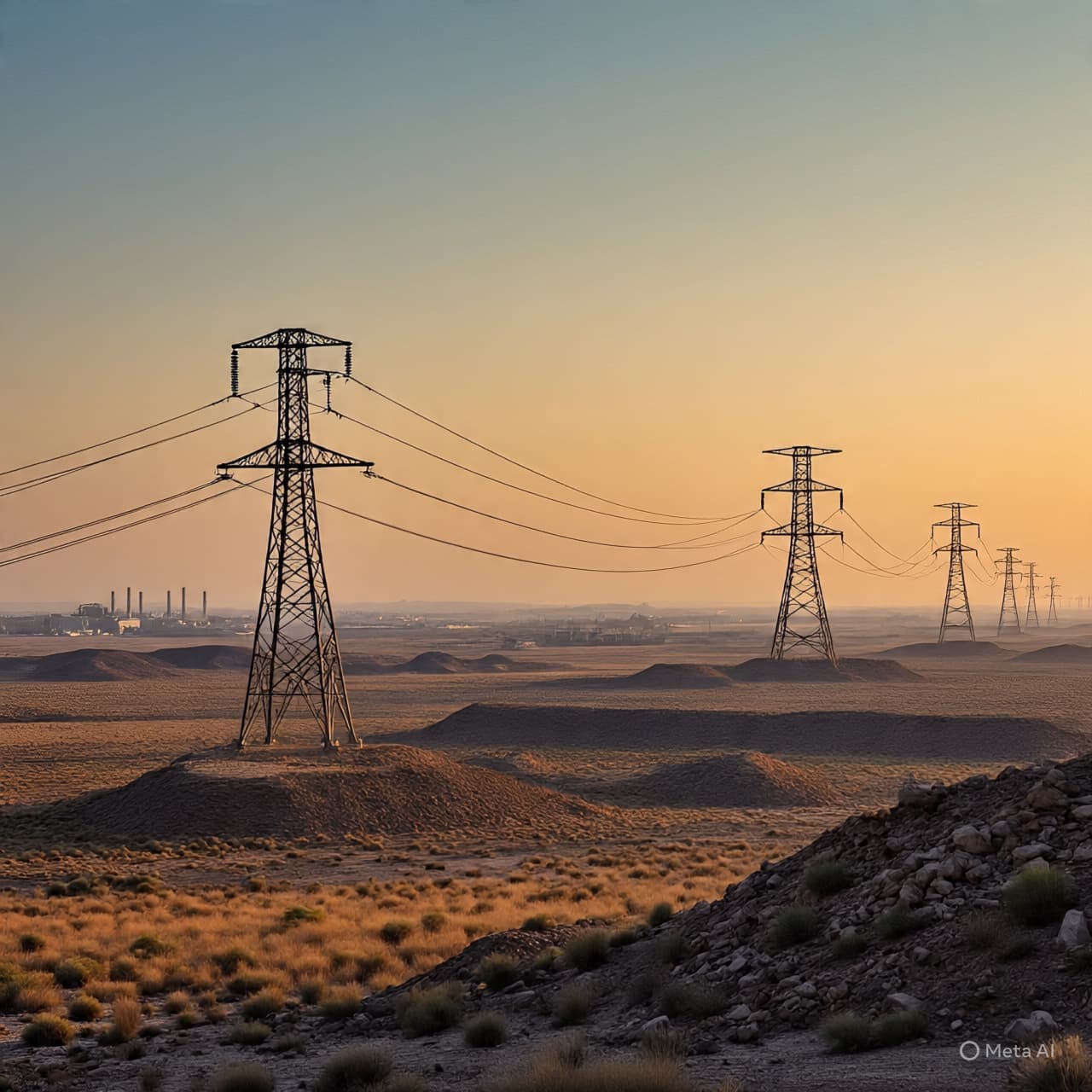
The Gulf region, where towering steel structures transmit electricity across vast expanses, serves as a backdrop for the intricate interplay between energy and conflict. Recently, former President Donald Trump intensified the ongoing standoff with Iran by threatening to target Iranian power plants if the Strait of Hormuz remains closed. This stark warning marks a significant escalation in rhetoric, contrasting sharply with earlier calls for de-escalation in military operations.
The Strait of Hormuz is a critical maritime passage, responsible for transporting a substantial portion of the world’s oil supply. Its strategic importance cannot be overstated; the narrow waters serve as a vital artery for global trade, linking the Middle East’s oil-rich nations to international markets. Any disruption in this passage reverberates far beyond regional borders, affecting energy prices and trade dynamics worldwide.
Trump's comments suggest a broader understanding of the stakes involved, as they connect the reopening of the strait to the security of Iran's power infrastructure. Unlike naval routes, power plants are fixed assets that provide essential services to cities and industries, making them both crucial and vulnerable in times of conflict. This shift in focus from traditional military targets to critical infrastructure indicates a new phase in the calculus of conflict, where civilian assets may become entangled in geopolitical disputes.
Such statements serve multiple purposes. They are designed to signal resolve and influence the actions of both allies and adversaries. However, they also contribute to an increasingly blurred line between deterrence and direct action, complicating the landscape of international relations. As tensions mount, the implications of targeting infrastructure become more pronounced, raising questions about the humanitarian impact and the potential for escalation.
For Iran, the Strait of Hormuz is not just a logistical concern; it is a matter of sovereignty and national pride. The control over this passage is deeply intertwined with Iran's geopolitical strategy, making any decision regarding its accessibility a reflection of broader power dynamics in the region. The potential for conflict over this vital waterway underscores the delicate balance of power in the Gulf, where every move is scrutinized by global observers.
As the situation unfolds, energy markets are responding to the heightened rhetoric and uncertainty. Investors and allied nations are closely monitoring developments, aware that the stability of the region hinges on the interplay between military posturing and diplomatic negotiations. The possibility that land-based infrastructure could become a focal point in maritime disputes adds a new layer of complexity to an already intricate geopolitical landscape.
In summary, the United States has signaled a readiness to escalate its response should the Strait of Hormuz remain closed, linking maritime access to the fate of Iran's power grid. This connection illustrates the increasingly intertwined nature of energy systems and conflict dynamics, where the flow of oil and electricity can reflect one another in times of crisis. The region remains on edge, balancing between visible tensions and the unseen currents that shape its future.
Published by Banx Network. This article is part of the Banx decentralized media programme, powered by the BXE token on the XRP Ledger.



