
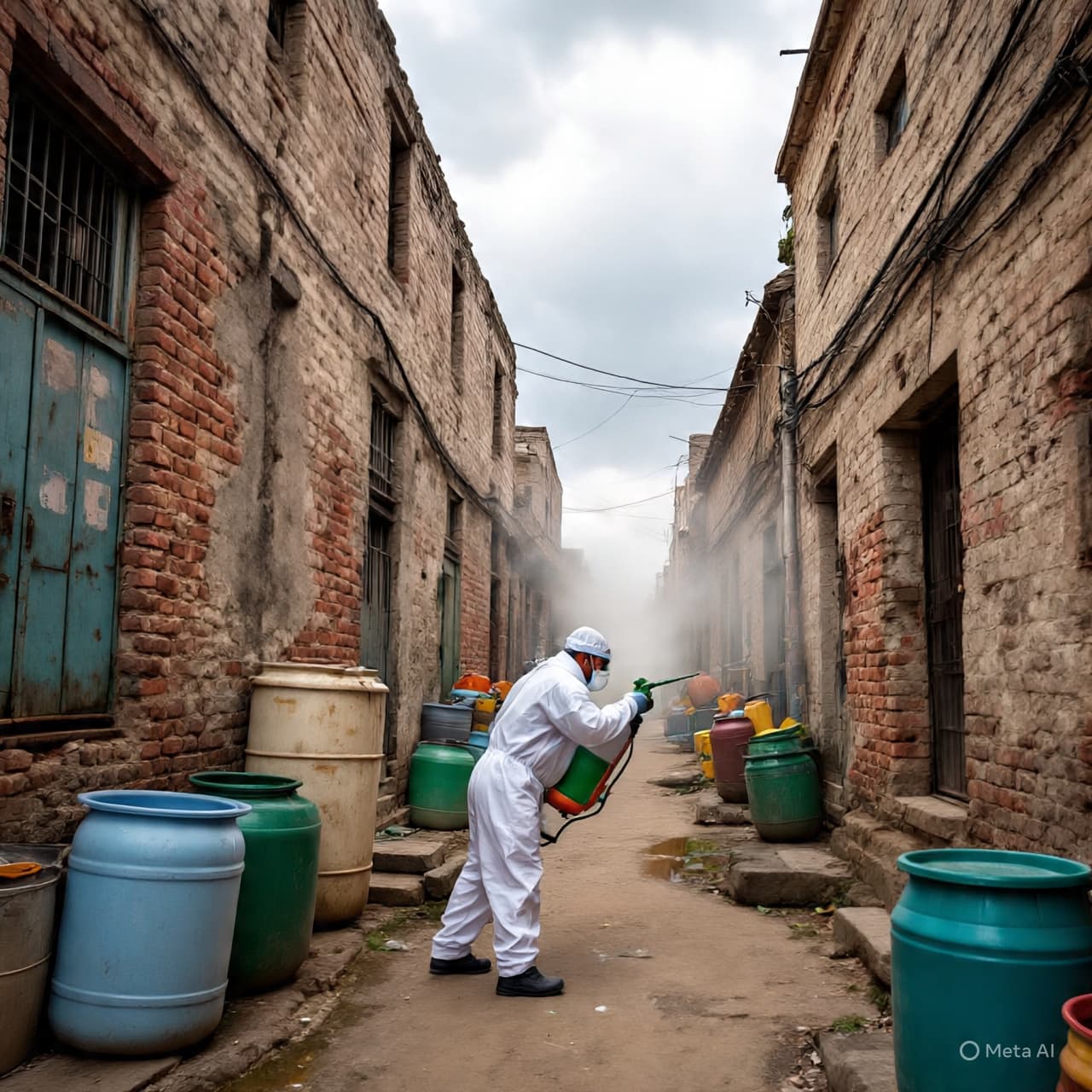
In the hush of an ordinary Cuban morning, behind closed windows and shuttered balconies, a quiet danger lurks — not in raging storms or political battles, but in the still air where tiny wings buzz under the early sun. Across the island, what began as sporadic bitings has become a tragedy marking 2025: a wave of mosquito-borne illness that has claimed souls — mostly young lives — and left families grappling with sudden loss.
The government of Cuba recently confirmed that 33 people have died in recent months due to viruses carried by mosquitoes, with a heartbreaking 21 of the victims under 18. According to the deputy health minister, 12 deaths were attributed to Dengue and 21 to Chikungunya.
Chikungunya — long rare on the island — emerged this summer in the western province of Matanzas, but swiftly spread to all 15 provinces, carried by the ubiquitous Aedes aegypti mosquito. Dengue, meanwhile, remains active nationwide.
The calamity is not just biological; it is deeply structural. Reports point to deteriorating sanitation, accumulated garbage, and widespread water-storage practices — symptoms of a country grappling with shortages of clean water and underfunded public health infrastructure. Fumigation and mosquito-control programs are faltering due to lack of resources, at a moment when vigilance is most needed.
The rising numbers of infections are stark. In just the past week, authorities reported thousands of new suspected cases of chikungunya, many identified clinically rather than via laboratory confirmation — a sign of an overwhelmed health-care system.
For families who lost children, grief is immediate and raw. For a nation already beset by economic hardship, the outbreak adds yet another layer to daily struggle. The epidemic — once a threat on paper — has become a relentless part of everyday life, unfolding in diagnoses, hospitalizations, and now mourning.
As the cases continue, the world watches — not only at the scale of loss, but at the fragile fabric of disease control when public health, sanitation, and social resilience fray at the edges.
In a land of vibrant music and rich culture, the buzz of mosquitoes has become a grim metronome counting days of fear, illness, and heartbreak.
In recent days, the government has urged citizens to eliminate mosquito-breeding sites and called for intensifying vector-control measures. Health officials reiterated that both dengue and chikungunya require preventive action — though options remain limited, especially for the most vulnerable: children, the elderly, the medically frail.
For now, the epidemic is far from over. Each mosquito’s bite carries a weight heavier than a mere itch: the silent danger of disease, and the heartbreaking possibility of a life lost.
AI image disclaimer: Visuals are created with AI tools and are not real photographs; they serve as conceptual depictions only.
Sources: Reuters, CBS News, AFP / Gulf News, CiberCuba, The Star
Published by Banx Network. This article is part of the Banx decentralized media programme, powered by the BXE token on the XRP Ledger.


