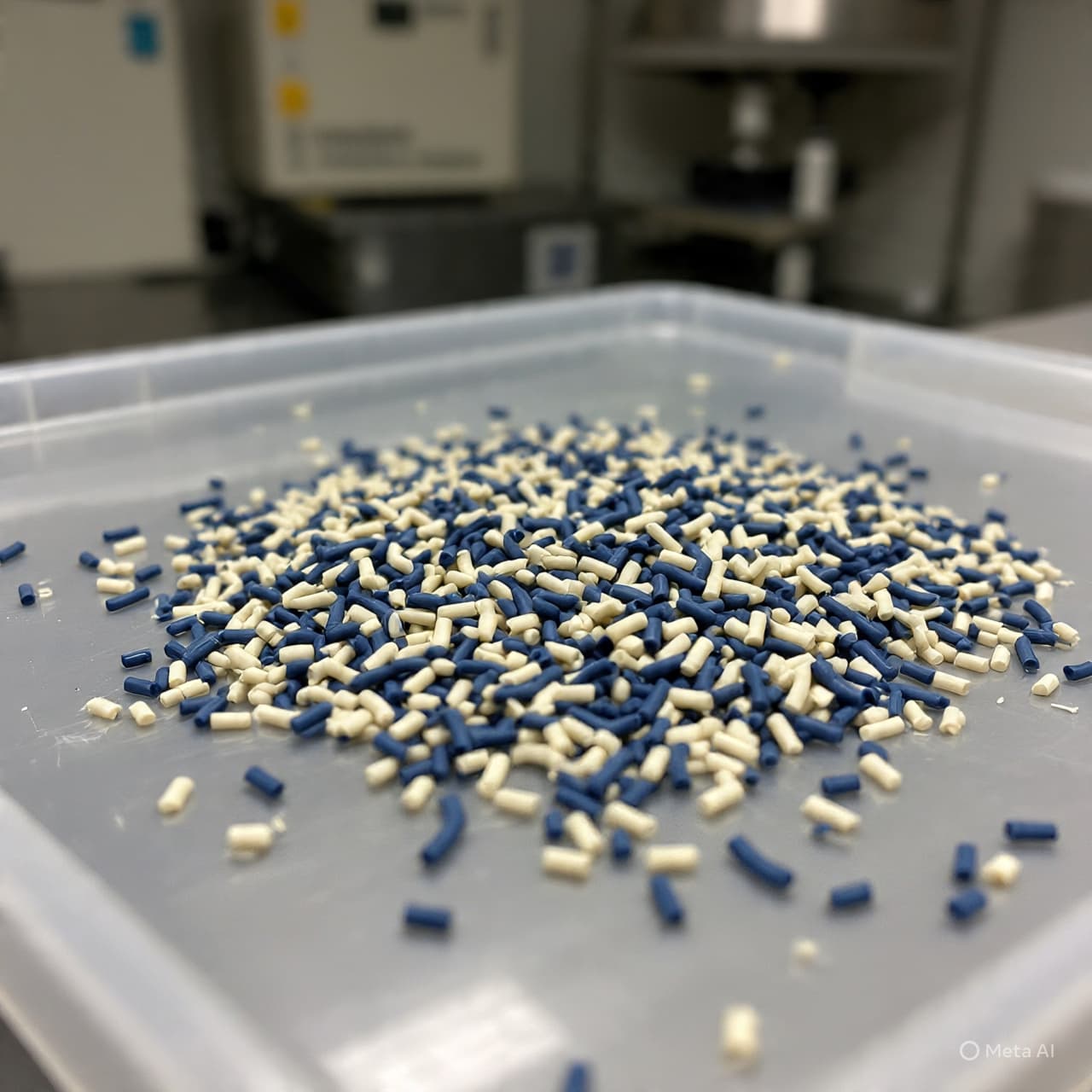
In a world where single‑use rubber gloves have become almost as ubiquitous as the very hands they protect, there is a quiet irony in how many billions of them end up in landfills or incinerators each year, adding to mounting waste and emissions. Like fallen leaves that blanket a forest floor, discarded gloves lie unremarked upon — until curious eyes start to imagine new life in what has been cast aside. Recently, researchers at Aarhus University offered just such a new beginning: a method to transform waste rubber gloves into carbon‑capturing materials, a creative twist in the story of waste and climate solutions.
For all their utility in healthcare and laboratories, nitrile gloves are fundamentally problematic when it comes to recycling. Made from synthetic polymers derived from crude oil, they resist conventional reuse and most often are burned or buried, releasing more carbon into the atmosphere in the process. Recognizing this paradox, chemist Simon Kildahl and colleagues in the Novo Nordisk Foundation CO₂ Research Center sought to reimagine these gloves not as waste but as a resource for capturing carbon dioxide — one of the central drivers of climate change.
The technique begins by shredding used rubber gloves into small fragments, which are then subjected to a controlled chemical transformation. Under hydrogen gas and in the presence of a ruthenium‑based catalyst, the rubber’s polymer chains are reconfigured, creating materials rich in amine groups — molecular structures capable of avidly binding CO₂ molecules. In laboratory tests, these upcycled materials performed impressively when exposed to simulated industrial flue gas, capturing carbon dioxide in quantities comparable with some established carbon‑capture technologies.
What makes this approach especially promising is its ability to address two environmental challenges at once: the inundation of rubber glove waste and the urgent need for scalable carbon capture materials. Rather than extracting fresh petroleum‑based polymers to engineer carbon absorbents, scientists are creatively using a material we already produce in vast quantities — over 100 billion gloves annually — and giving it a new function in the global effort to limit atmospheric CO₂.
Another appealing feature of the rubber‑derived sorbent is its regenerability. Once saturated with CO₂, gentle heating releases the captured gas, allowing it to be stored underground or converted into fuel or other chemicals via power‑to‑X processes, while the glove‑derived material is refreshed and ready to capture carbon again. This cycle of capture and release speaks to a broader vision of circularity — where materials loop back into purpose rather than ending in waste.
Yet, like many innovations at the confluence of chemistry and climate action, this rubber‑to‑carbon‑capture transformation remains in its early stages. Most experiments are still conducted at the laboratory scale, and questions remain about how to scale the process economically and sustainably, particularly given current reliance on expensive catalysts. Researchers are optimistic, however, that with further development and refinement, such materials could one day find practical use in industrial flue gas treatment or even direct air capture systems.
This work also dovetails with broader sustainability goals encouraged by climate science authorities — such as the Intergovernmental Panel on Climate Change (IPCC) — which underscores the need for removing substantial amounts of CO₂ from the atmosphere by mid‑century. By turning a pervasive waste product into a potential tool for carbon removal, scientists are contributing not just to material recycling, but to a reimagined economy where waste becomes part of the climate solution.
In straightforward terms, researchers have shown that disused rubber gloves can be chemically transformed into materials capable of capturing significant amounts of carbon dioxide. While the technique is still predominantly at the proof‑of‑concept stage, it highlights an inventive path forward in both waste management and carbon sequestration technology.
AI Image Disclaimer “Illustrations were produced with AI and serve as conceptual depictions.”
Source Check — Credible Media Names Phys.org Chemical & Engineering News (ACS) Bioengineer Mirage News ScienceBlog
Published by Banx Network. This article is part of the Banx decentralized media programme, powered by the BXE token on the XRP Ledger.