Morning light slips quietly across trading floors and jewelry shops alike, catching on glass cases and digital screens where numbers pulse like a living thing. Gold, ancient and patient, has once again found itself at the center of attention—its price climbing to levels that feel both inevitable and faintly unsettling. For centuries, it has been a mirror to human uncertainty, brightening whenever the world seems less sure of itself. This time is no different, though the reasons arrive layered, intersecting like weather systems.
One force lifting gold has been the slow but persistent erosion of confidence in currencies. Inflation, though uneven across regions, has lingered long enough to reshape habits and expectations. Central banks spent recent years raising interest rates to steady prices, yet the memory of rapid cost increases remains fresh. In such moments, gold’s lack of yield becomes less a weakness and more a quiet reassurance. It does not promise growth, only preservation, and for many investors that promise has felt sufficient.
Another current pushing prices upward flows from geopolitics. Conflicts, trade frictions, and diplomatic standoffs have continued to redraw the global map in subtle but consequential ways. When alliances strain and shipping routes feel less predictable, markets respond by seeking shelter. Gold has benefited from this instinctive turn toward safety, its appeal strengthened by the sense that political risk is no longer episodic but ambient—woven into daily headlines rather than confined to crises.
A third driver has come from central banks themselves. In recent years, several have increased their gold reserves, diversifying away from heavy reliance on the U.S. dollar. These purchases, steady rather than speculative, have quietly tightened supply. The effect is not dramatic in any single week, but over time it adds weight to the market, reinforcing the upward drift. Gold, once again, is being treated not just as a commodity, but as a form of monetary punctuation—a pause, a hedge, a full stop against uncertainty.
Yet even as these forces lift prices, gravity has not disappeared. There is one reason, subtle but persistent, why gold has also shown signs of easing from its peaks. Interest rates, though expected to fall eventually, remain relatively high in many major economies. Bonds and cash-like instruments now offer returns that were absent for much of the past decade. For some investors, this changes the calculation. Gold’s role as a refuge remains, but its opportunity cost has grown heavier. When safer assets pay interest again, some capital drifts back toward them, tempering gold’s ascent.
This tension—between fear and yield, between memory and mathematics—has given the gold market its recent rhythm. Prices rise on anxiety, pause on pragmatism, and occasionally retreat when confidence flickers back into view. The metal itself does not change. It is still dug from the earth, refined, stored, and admired. What shifts is the meaning people attach to it.
As markets look ahead, forecasts remain cautious rather than triumphant. Much will depend on how quickly inflation cools, how decisively interest rates move, and whether geopolitical uncertainty hardens or softens. Gold’s record rise tells a story less about excess and more about mood—a collective reading of risk, written in ounces and dollars.
In the end, gold’s glow reflects more than price charts. It reflects a moment in time when stability feels conditional, when protection is prized, and when even ancient certainties are weighed against modern calculations. Whether prices continue upward or settle back, the metal has already served its familiar role: reminding the world, quietly and without words, of what it values when the future feels indistinct.
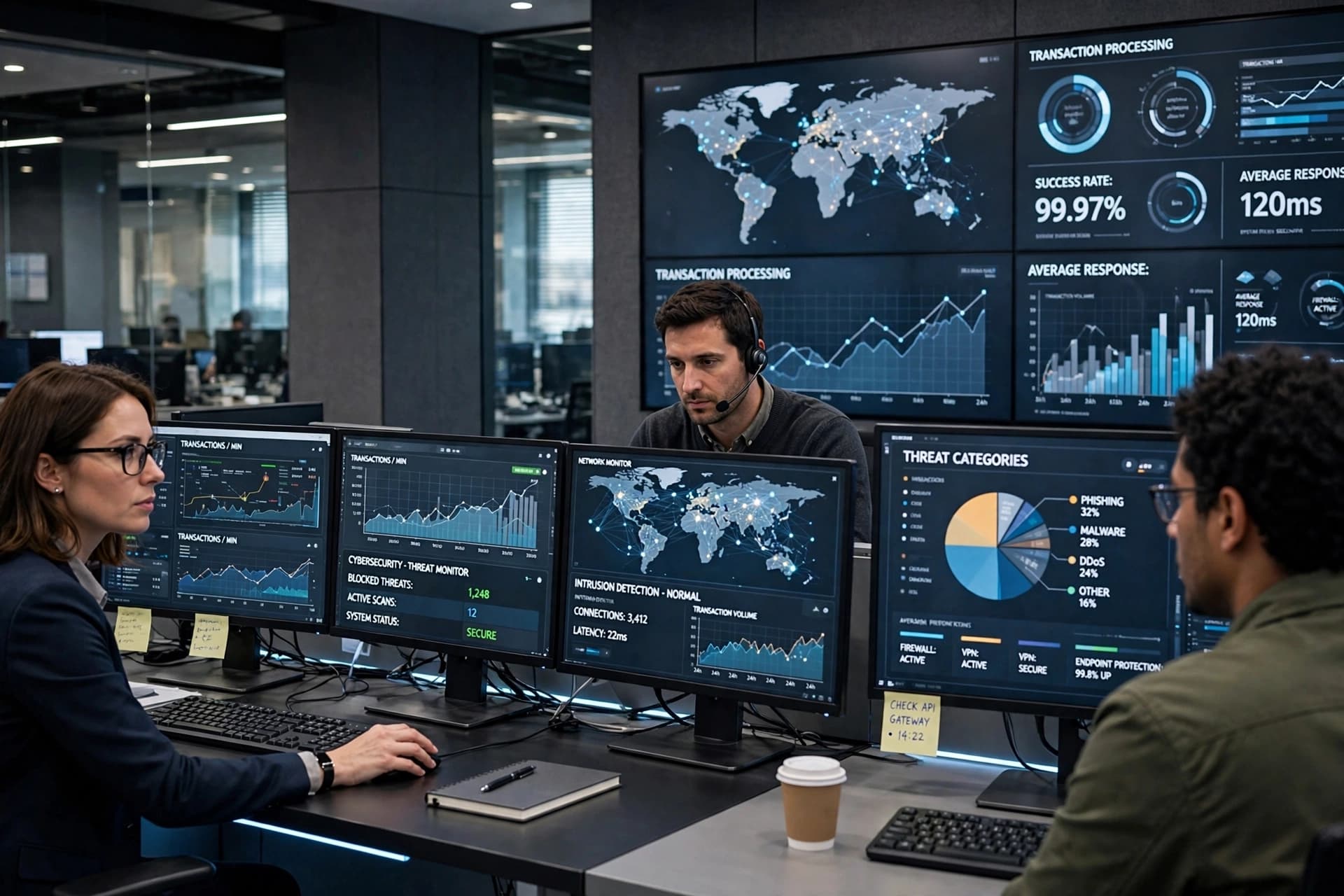
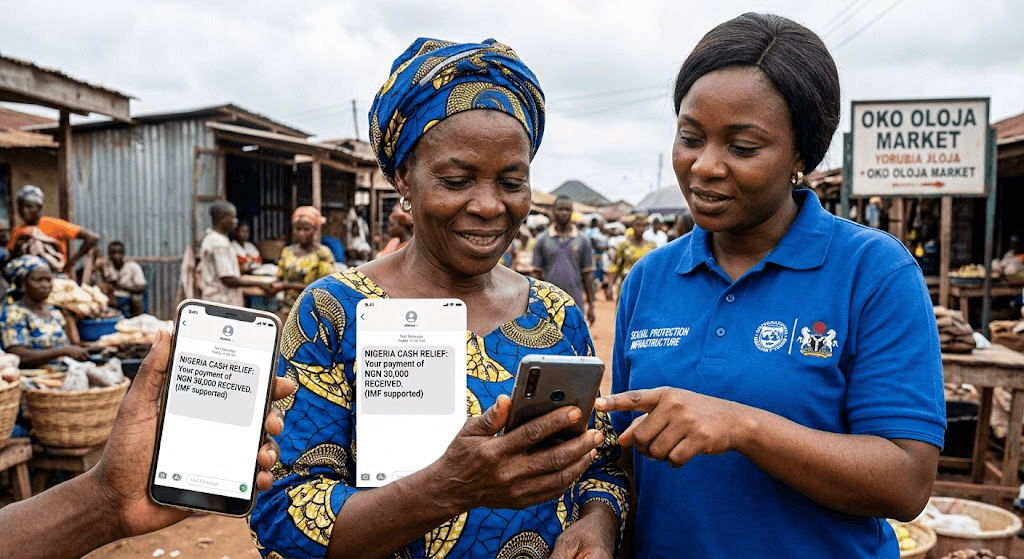
AI Image Disclaimer Illustrations were created using AI tools and are not real photographs.
Sources World Gold Council International Monetary Fund Federal Reserve Bank for International Settlements Reuters
Published by Banx Network. This article is part of the Banx decentralized media programme, powered by the BXE token on the XRP Ledger.