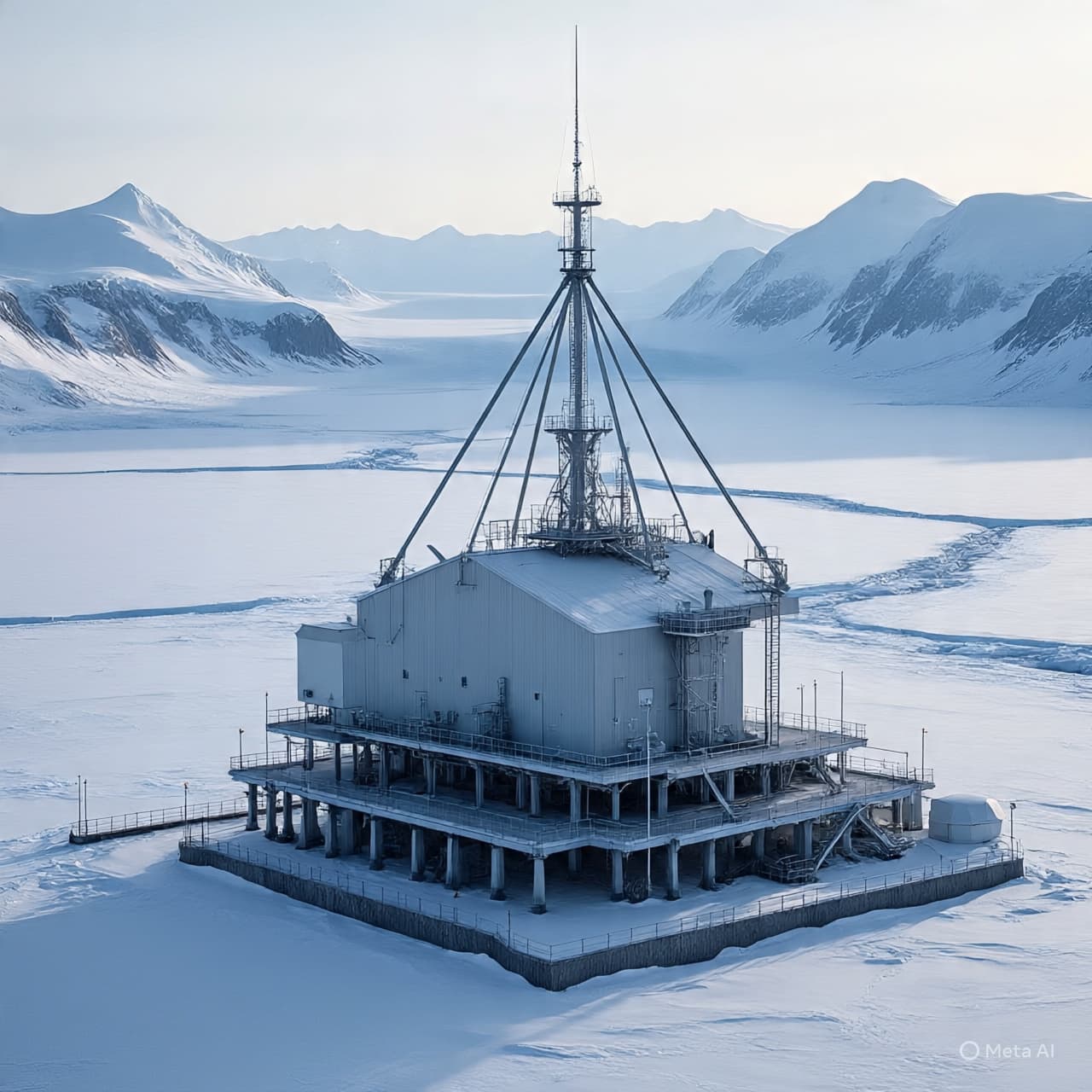
A pale light stretches across the Arctic horizon, brushing frozen ridges and the thin sheets of ice that float quietly upon the sea. Here, the wind seems to measure patience in slow rotations, whispering through snow-crusted ridges and the skeletal outlines of temporary encampments. It is in such places, at the edge of map and memory, that NATO peers forward — imagining scenarios of tension, testing the architecture of alliance in the chill of a near-empty world.
Yet foresight, as any Arctic traveler knows, is not action. It is a moment of contemplation, a survey of possible paths etched against the vast expanse. Recent planning exercises suggest that the alliance has glimpsed the future: the complexity of conflicts that intertwine cyber, naval, and aerial theaters, the challenge of logistics across remote terrain, and the strategic value of speed in decision-making. The lessons, though written in simulations and reports, face the persistent friction of reality. Preparation lags behind insight, and what is imagined on paper may yet find the field unready.
Reports indicate that NATO has recognized the vulnerabilities of Arctic operations — from extreme weather to supply chain constraints and the difficulty of maintaining continuous surveillance across icy expanses. Exercises have revealed gaps in communication, coordination, and equipment endurance, particularly in response to rapid maneuvers by potential adversaries. While intelligence suggests a thorough understanding of future scenarios, translating foresight into tangible readiness remains a struggle across member states with differing priorities and capabilities.
Observers note that the lessons of the Arctic extend beyond geography. They echo the universal challenge of alliances: aligning disparate resources and doctrines, harmonizing strategic intent with tactical capability, and sustaining vigilance where costs are high and benefits are long-term. In quiet corridors of planning headquarters, officers review simulations that highlight what might happen if a crisis unfolds in the north — but the calm, deliberate cadence of strategy does not always match the urgency that the ice itself implies.
Despite the recognition of potential hazards, NATO has approved a range of Arctic exercises, including naval patrols, aerial monitoring, and joint logistics trials. Yet analysts caution that these measures, though forward-looking, remain insufficient when tested against the speed of modern hybrid threats. The alliance acknowledges that the Arctic’s remoteness amplifies both danger and opportunity, demanding foresight married to immediate capacity. The challenge is not merely conceptual; it is operational, practical, and unforgiving of delay.
AI Image Disclaimer
Illustrations were created using AI tools and are not real photographs.
Sources (Media Names Only)
BBC News Reuters DefenseNews The Guardian Politico Europe
نُشر بواسطة Banx Network. هذا المقال جزء من برنامج الوسائط اللامركزية من Banx، مدعومًا برمز BXE على شبكة XRP Ledger.