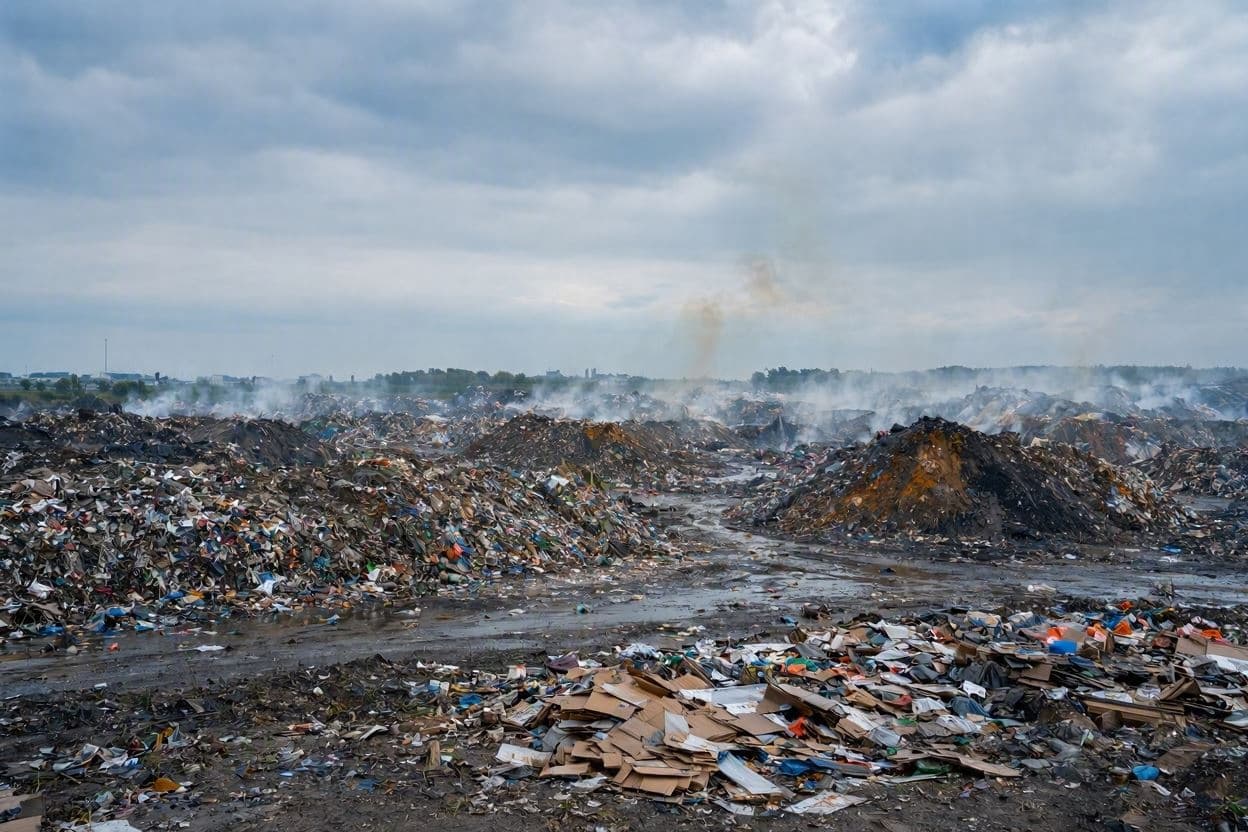
Beneath the surface of our daily lives, where waste is discarded and forgotten, a slow-burning challenge has taken hold in Calgary. The landfill fire, now acknowledged by the Fire Chief as a situation that may require months to fully suppress, serves as a sobering reminder of the long-term consequences of consumption. This incident is not merely a logistical hurdle for emergency services but a reflection on sustainability, environmental stewardship, and the hidden costs of modern living.
Calgary Fire Chief Dan Conlan’s statement underscores the complexity of fighting underground fires. Unlike structural blazes, landfill fires smolder deep within layers of compacted waste, fueled by methane and other combustible materials. Accessing these depths is difficult and dangerous, requiring specialized equipment and persistent effort. The timeline of months highlights the resilience of such fires and the limitations of traditional firefighting methods in this context.
The impact on the surrounding community is significant. Smoke and odor have become unwelcome companions for residents living near the site, raising concerns about air quality and health. While officials monitor emissions closely, the uncertainty of the duration adds to the anxiety. It is a testament to the interconnectedness of urban planning and environmental management, where decisions made years ago can have lasting repercussions.
Efforts to suppress the blaze involve a combination of techniques, including injecting water and foam deep into the waste mass. However, the sheer volume of material and the depth of the fire make complete extinguishment a gradual process. Firefighters work tirelessly, often in challenging conditions, to contain the spread and mitigate risks. Their dedication is a crucial element in managing this prolonged crisis.
This event also prompts a broader conversation about waste management practices. Landfills, while necessary, are vulnerable to such incidents due to the chemical reactions occurring within decomposing matter. Exploring alternative methods, such as increased recycling, composting, and waste-to-energy technologies, could reduce the likelihood of future fires. It is an opportunity to rethink how we handle what we discard.
Public awareness plays a key role in prevention. Educating residents about proper disposal of hazardous materials and the importance of reducing waste can help minimize risks. Community engagement in sustainability initiatives fosters a culture of responsibility, where individuals recognize their part in the larger environmental picture. Small changes in behavior can have cumulative positive effects.
As the months pass, the focus will remain on containment and safety. Regular updates from city officials will keep the public informed of progress and any necessary precautions. Transparency is essential in maintaining trust and ensuring that community concerns are addressed promptly. The situation requires patience and cooperation from all stakeholders.
The Calgary landfill fire is a poignant reminder of the environmental challenges embedded in our waste systems. As efforts to suppress the blaze continue, it invites us to consider more sustainable practices for the future. By learning from this incident, we can work toward a cleaner, safer, and more responsible approach to managing our resources.
AI Image Disclaimer: Images included in this piece are AI-generated artistic renditions created for illustrative purposes and do not depict actual photographs of the landfill fire or firefighting operations.
Sources: CBC News Calgary CTV News Calgary City of Calgary Global News
Published by Banx Network. This article is part of the Banx decentralized media programme, powered by the BXE token on the XRP Ledger.