
Key Highlights
- Rain and wind patterns are returning to Indonesia, particularly in West Java.
- The Meteorology, Climatology, and Geophysics Agency (BMKG) has issued warnings for potential flooding and landslides.
- Observations indicate a convergence of atmospheric forces leading to dense rain clouds.
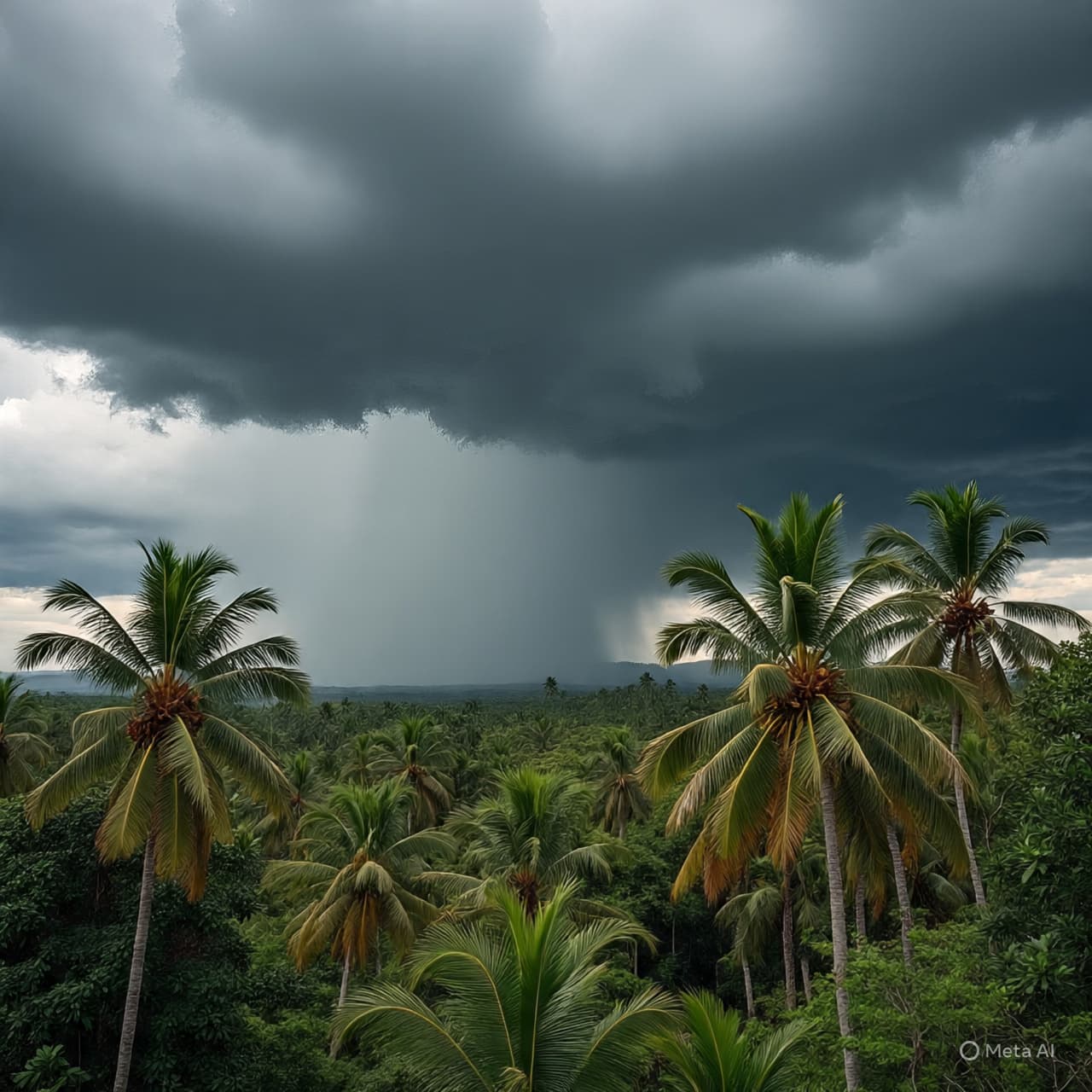
Recent weather patterns in Indonesia have shifted, with rain and wind returning in a notable manner. The atmosphere has settled into a rhythm that suggests a prolonged period of precipitation rather than isolated showers. This change is particularly evident in regions like West Java, where the sky has begun to gather clouds that signal the onset of rain cycles, extending from afternoon into the night.
Meteorological data indicates that these changes are not random but are influenced by broader atmospheric conditions. Seasonal transitions and air flow patterns are contributing to the formation of dense rain clouds. Once these clouds establish themselves, they tend to persist, releasing rain in intervals that can vary from gentle drizzles to sudden downpours, often accompanied by lightning and gusty winds.
The character of the wind during this period is also noteworthy. It arrives quietly, often unnoticed until it begins to affect the environment. The wind can shift the atmosphere, bending trees and altering the pace of daily life. During heavier rain events, wind gusts can become more pronounced, creating a dynamic interplay between rain and wind that can be both beautiful and dangerous.
This weather pattern reflects a broader seasonal rhythm in Indonesia, where the distinction between dry and wet seasons becomes blurred. Days of sunshine can be abruptly interrupted by rain, and evenings may be filled with the distant rumble of thunder. Nights are often marked by the soothing sound of rain on rooftops, creating a unique ambiance that is both calming and foreboding.
Across various provinces, similar weather conditions have been reported, with moderate to heavy rainfall and strong winds becoming commonplace. These occurrences are not isolated but are part of a larger atmospheric system affecting the entire archipelago. The BMKG has urged the public to remain vigilant, particularly during the afternoon and nighttime hours when the likelihood of severe weather increases.
The potential impacts of this weather are significant. Prolonged rainfall can lead to flooding, while strong winds pose risks such as falling trees and landslides, especially in vulnerable areas. Authorities are closely monitoring the situation and have issued advisories to ensure public safety.
As this weather pattern continues, daily life in Indonesia adapts to the rhythm of rain and wind. People are encouraged to stay informed and prepared for the potential challenges that may arise from these atmospheric changes. The interplay of nature's elements serves as a reminder of the power and unpredictability of weather, urging communities to remain alert and responsive to the conditions around them.
Published by Banx Network. This article is part of the Banx decentralized media programme, powered by the BXE token on the XRP Ledger.



