The arc of a career in space exploration is often measured in moments of profound silence and sudden, roaring triumph. For Reid Wiseman and Victor Glover, the commanders and pilots who have steered the narrative of the Artemis II mission, a new chapter is beginning not with a launch, but with a quiet transition. As they shift into "emeritus" status at NASA, they leave behind the active roster of astronauts, yet their connection to the stars remains unbroken, evolving from hands-on operation to wise counsel.
This move marks a significant moment for the agency, reflecting a maturing approach to human capital in an era of renewed lunar ambition. The emeritus program allows seasoned astronauts to continue contributing their expertise without the rigorous physical demands of active flight status. It is a recognition that the knowledge gained in the vacuum of space is as valuable as the physical act of traveling there, and that wisdom, like gravity, exerts a powerful pull on those who follow.
Wiseman and Glover are not merely stepping away; they are stepping into a role of mentorship and strategic oversight. Their experiences during the preparations for Artemis II, the first crewed mission to the moon in over half a century, have equipped them with insights that are crucial for the success of future endeavors. By remaining within the NASA ecosystem, they ensure that the lessons learned are not lost to time but are instead woven into the fabric of the next generation of explorers.
The decision also highlights the changing nature of spaceflight itself. As missions become more complex and international partnerships deepen, the need for experienced leaders who can navigate both technical and diplomatic challenges grows. The emeritus status provides a flexible framework for these leaders to engage in high-level planning, training, and public outreach, bridging the gap between the operational and the aspirational.
For the astronauts themselves, this transition offers a chance to reflect on their journey while still remaining engaged with the mission that has defined much of their professional lives. It is a graceful exit from the spotlight of active duty, allowing them to support the program from a different vantage point. Their continued presence serves as a reminder that space exploration is a collective effort, built on the contributions of many over decades.
The Artemis program, with its goal of establishing a sustainable presence on the moon, relies on this continuity of knowledge. As new crews are selected and trained, the guidance of veterans like Wiseman and Glover will be invaluable. They represent a living link to the past, ensuring that the spirit of Apollo is honored while embracing the technological advancements of the modern era.
As they assume their new roles, the focus shifts to the future. The moon is no longer the final destination but a stepping stone to Mars and beyond. The emeritus status of these two pioneers underscores the long-term vision of NASA, one that values experience and continuity as much as innovation and speed. Their legacy will be written not just in the dust of the lunar surface, but in the success of those who follow.
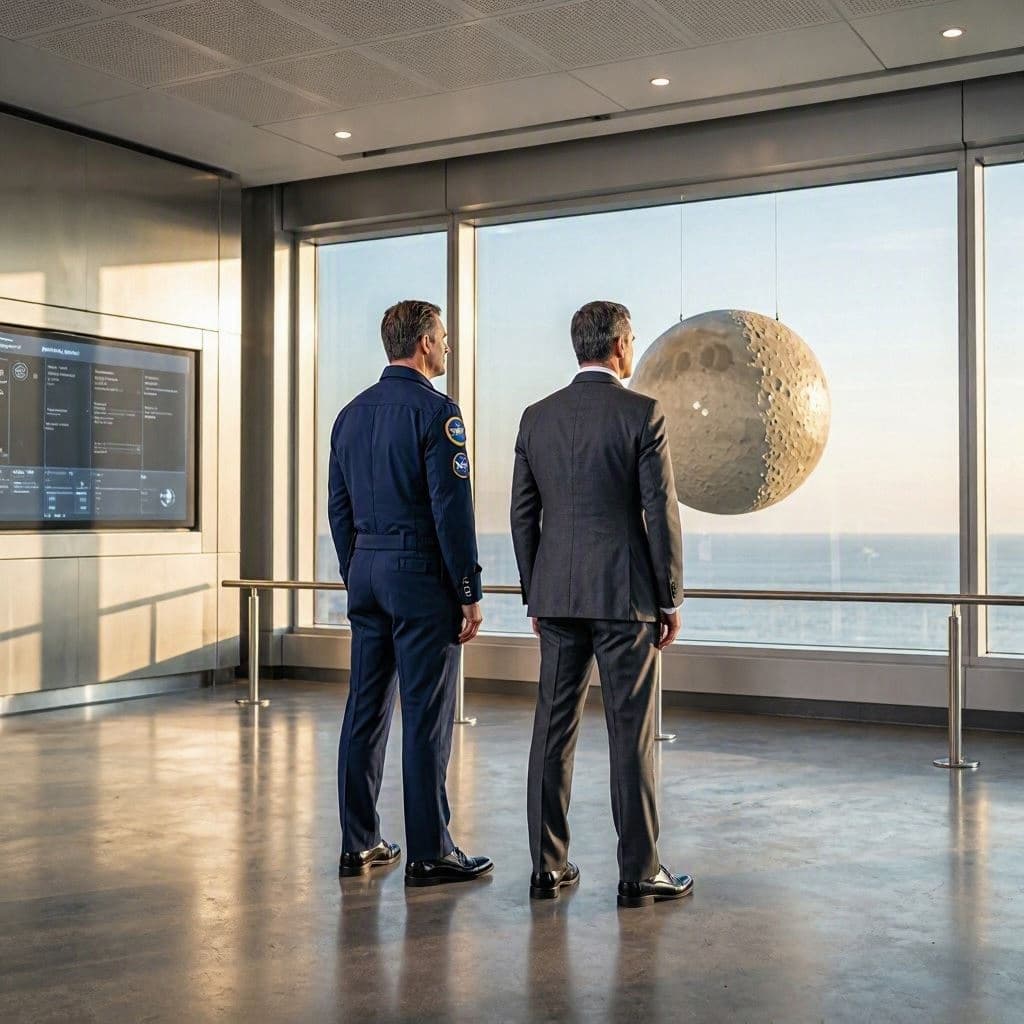
The visuals included here are AI-generated interpretations meant to support the article’s thematic elements.
Sources: Space.com, NASA Official Website, Associated Press, CollectSpace, UPI
Published by Banx Network. This article is part of the Banx decentralized media programme, powered by the BXE token on the XRP Ledger.