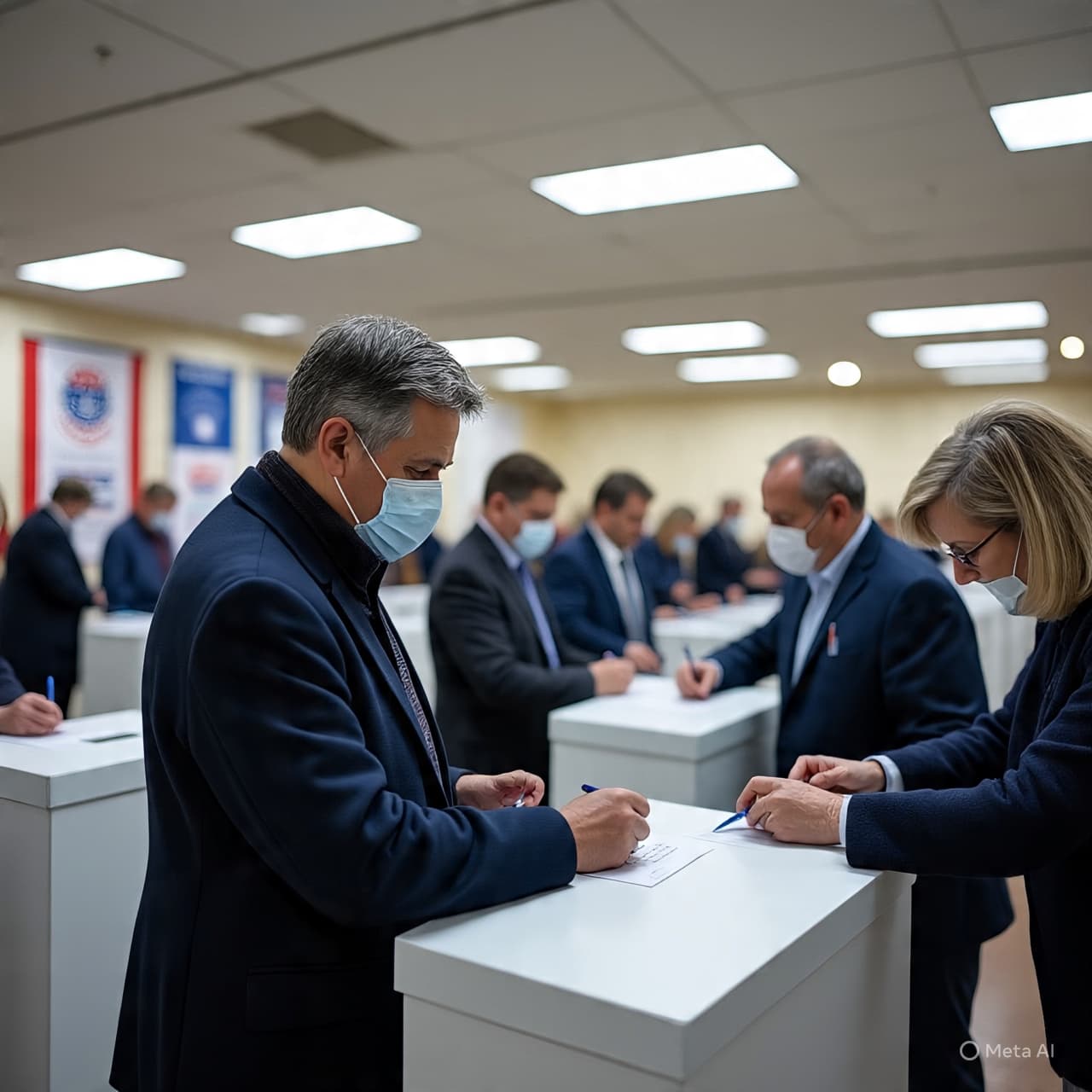
Bangkok hums with its usual rhythm, tuk-tuks weaving between golden temples and modern high-rises, yet beneath the city’s familiar pulse, a quieter tension lingers. Citizens have watched, debated, and waited as ballots were cast, voices carried through paper slips and digital tallies, shaping the course of their nation’s immediate political horizon.
In the recent three-way election, Thai Prime Minister Anutin Charnvirakul’s party has emerged with a wide lead, signaling both continuity and a renewed mandate in a complex political landscape. Analysts suggest the outcome reflects not only party loyalty but also the electorate’s response to governance during challenging times, from pandemic recovery to economic concerns and regional diplomacy. The streets are alive with measured celebration and reflective discussion, as communities consider what the results mean for local governance, national priorities, and the broader currents shaping Thailand’s future.
While the ballots are counted and headlines framed, the nation navigates the intricate balance between expectation and action. In the quiet moments between political rallies and council meetings, citizens confront the subtle realities of democracy: hope, scrutiny, and the enduring need for civic engagement. As Thailand turns a page in its political narrative, the cityscapes and villages alike carry the echoes of choice, a reminder that leadership is not only decided in votes but experienced in daily life.
AI Image Disclaimer
Visuals are AI-generated and serve as conceptual representations.
Sources
Bangkok Post Reuters Al Jazeera The Nation Thailand BBC News
Published by Banx Network. This article is part of the Banx decentralized media programme, powered by the BXE token on the XRP Ledger.