
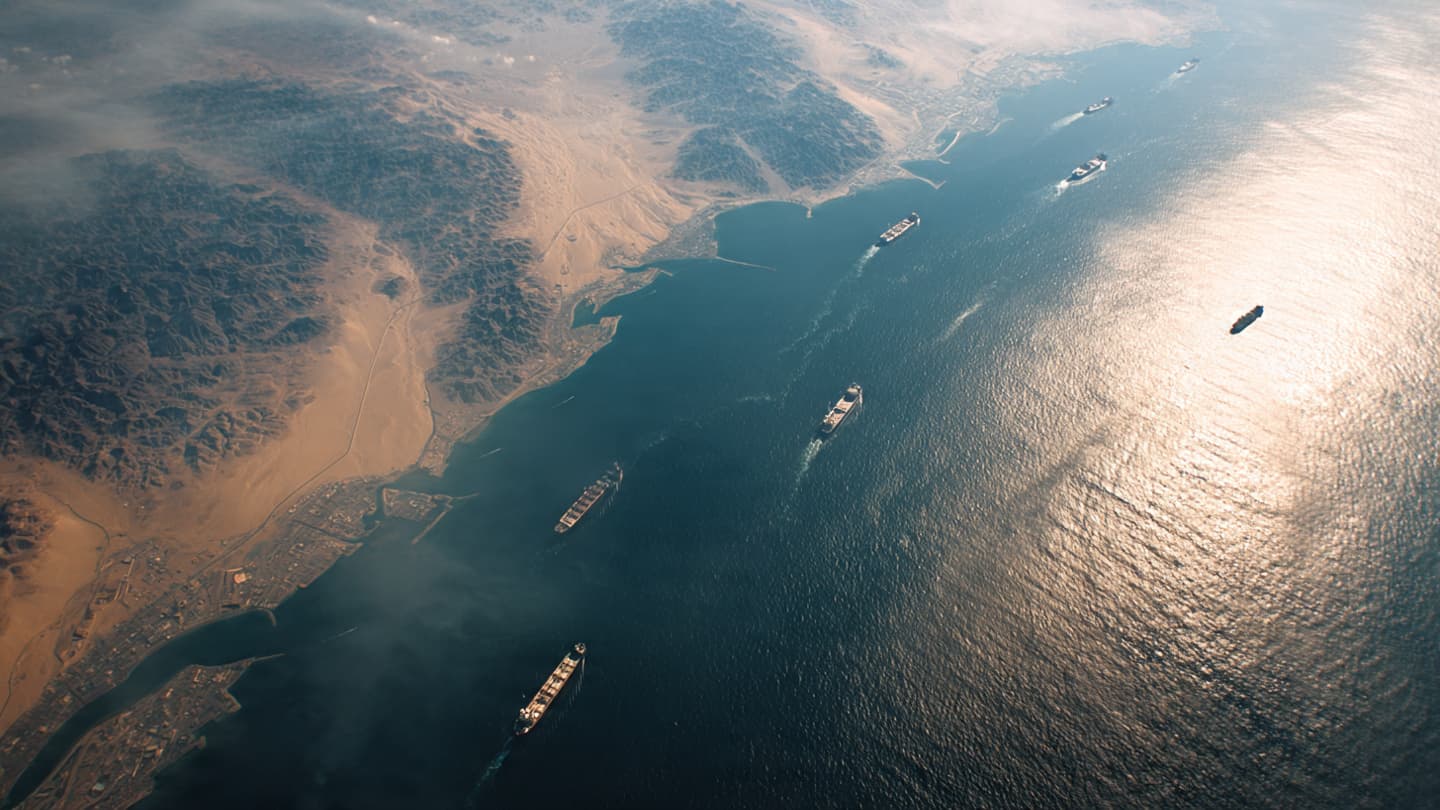
Key Highlights
- Iran emphasizes the Strait of Hormuz's strategic importance amid U.S. tensions.
- The strait is a critical chokepoint for global oil and gas shipments.
- Ongoing diplomatic discussions reflect deep-seated mistrust between Iran and the U.S.
The Strait of Hormuz, a narrow waterway connecting the Persian Gulf to the Arabian Sea, has once again emerged as a focal point of international tension. Iranian officials have recently underscored the strait's strategic significance, particularly in the context of ongoing diplomatic discussions with the United States. This vital corridor is responsible for the transit of a substantial portion of the world's oil and liquefied natural gas, making it a critical artery for global energy supplies.
In statements made over the past week, Iranian leaders have drawn attention to the strait's role in global energy flows, likening its importance to that of significant military assets. They argue that any disruption in the movement of tankers through this passage could have far-reaching consequences, not only for regional stability but also for the global economy. The strait, at its narrowest point, is only a few dozen kilometers wide, yet its influence extends well beyond its physical dimensions, impacting energy prices and maritime insurance markets worldwide.
Naval patrols from various nations, including the U.S. and Iran, operate in the region, creating a complex web of military presence and surveillance. The coastal cities surrounding the strait are bustling with activity, as ports and refineries continue their operations despite the rising political tensions. This juxtaposition of everyday life against a backdrop of geopolitical maneuvering illustrates the strait's dual role as both a vital economic corridor and a potential flashpoint for conflict.
As diplomatic conversations between Tehran and Washington unfold, they are marked by a cautious tone. Both sides have expressed a desire to avoid direct confrontation, yet the language used in these discussions often reflects a deep-seated mistrust that has developed over decades. The ongoing negotiations are shaped by long-standing disagreements over Iran's nuclear program, economic sanctions, and regional influence, complicating the path toward any potential resolution.
The Strait of Hormuz is often described as one of the most sensitive chokepoints in the global economy. Analysts warn that even minor disruptions can lead to significant ripple effects in international markets. Shipping companies are adjusting their routes and insurance premiums in anticipation of potential instability, while governments maintain naval deployments as a show of force and deterrence.
For the communities along the Gulf, the strait is not just a geopolitical chessboard; it is a part of daily life. Fishing boats navigate alongside larger commercial vessels, and local workers continue their routines, seemingly unaffected by the broader tensions. However, the specter of past maritime confrontations looms large, influencing the decisions made by shipping companies and governments alike.
As the sun sets over the Gulf, the waters of the Strait of Hormuz continue to flow, carrying with them the weight of international negotiations and the potential for conflict. The tankers that traverse this vital passage are not merely transporting goods; they are also symbols of the intricate connections between energy, security, and diplomacy in a world where even the narrowest waterways can have profound implications.
Published by Banx Network. This article is part of the Banx decentralized media programme, powered by the BXE token on the XRP Ledger.



